



Asian Hardwood Display Tables
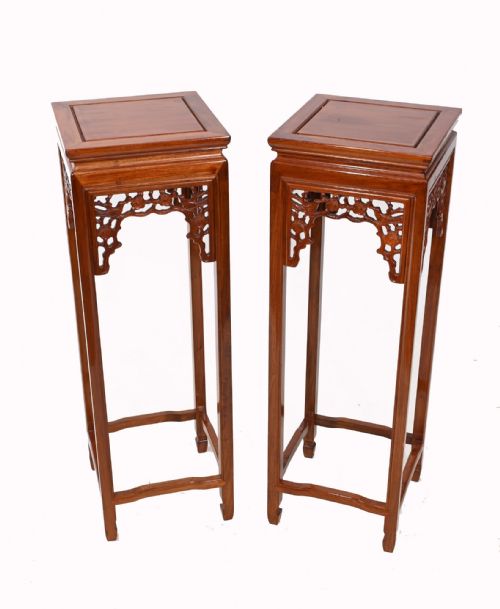
Asian hardwood display tables bring structured poise to a room, carrying heavy ceramic vessels or quiet lamps with absolute authority.
Asian Hardwood Display Tables
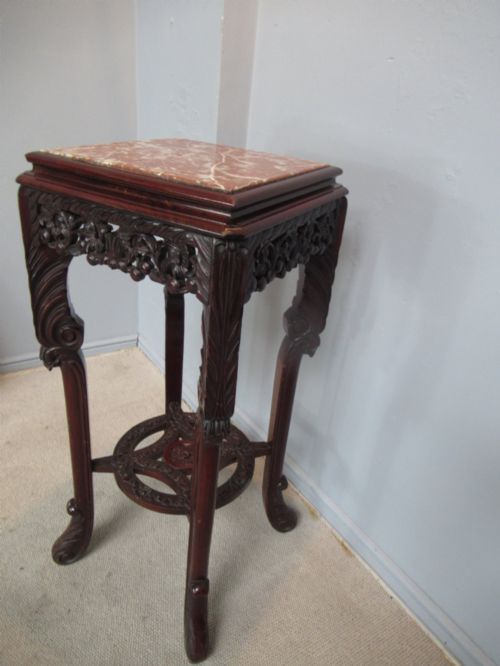
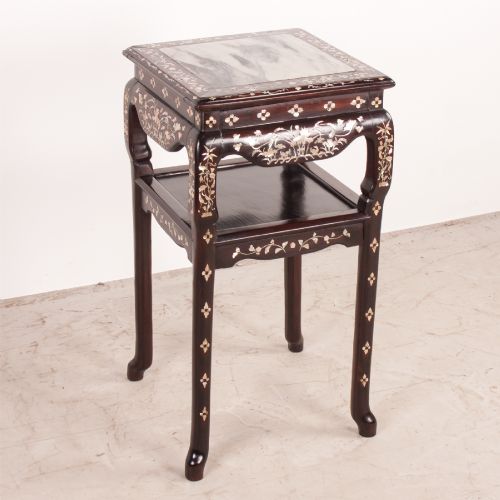
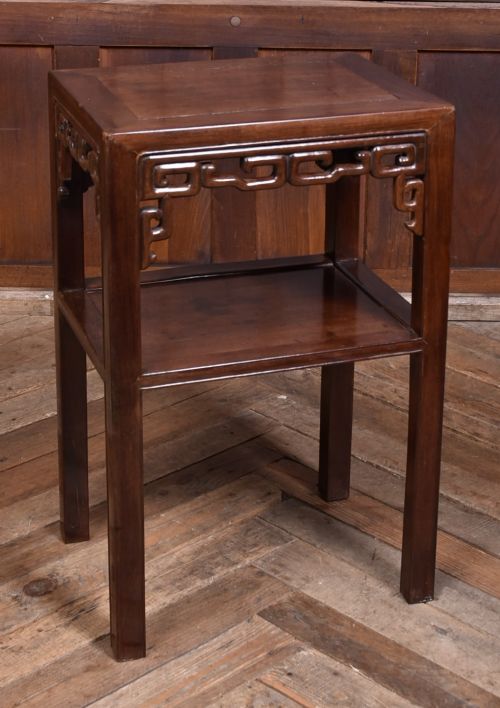
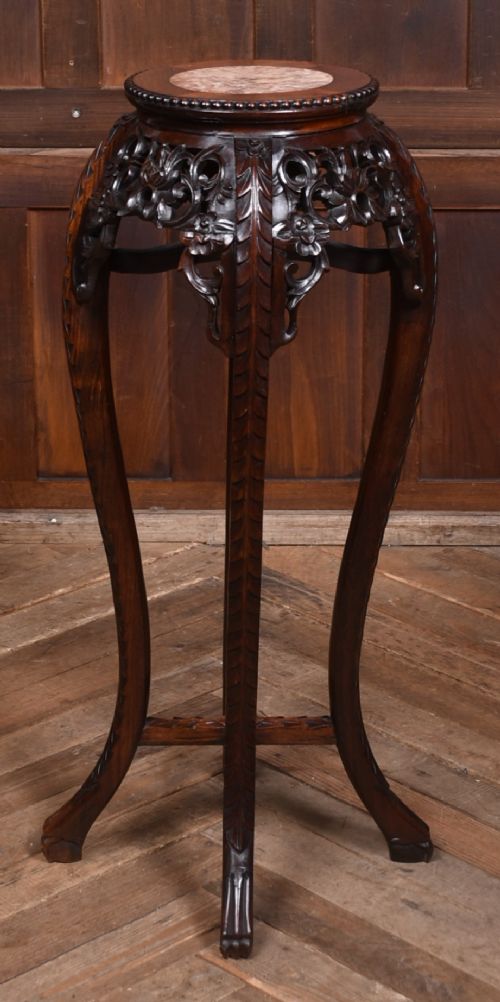
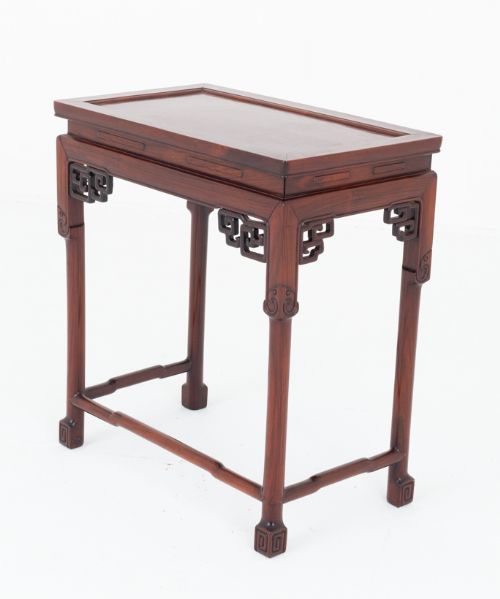
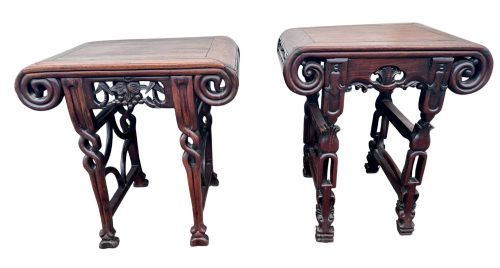
Asian hardwood display tables encompass a wide range of compact furniture designed to elevate decorative objects within the interior. You will frequently encounter plant stands, jardiniere supports, and occasional tables dating from the late nineteenth century and the Victorian period. These pieces originate primarily from Chinese workshops, alongside specific Meiji period Japanese examples.
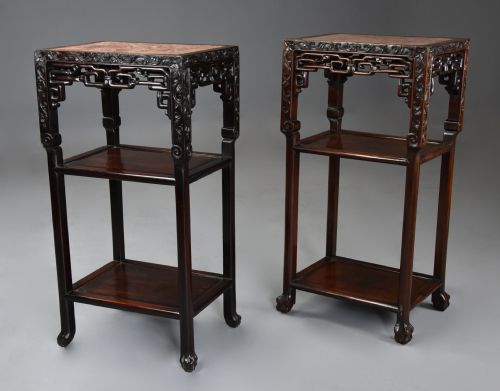
Forms vary from tall, slender pedestal stands and low Kang opium tables to nests of four graduated tables and console surfaces. Many of these sturdy items function naturally as side tables or lamp supports in modern rooms. The overarching aesthetic draws deeply from Qing dynasty traditions and Chinese export designs tailored for Western markets.
Materials and Construction
Construction relies heavily on dense, dark timbers including rosewood, padouk, and hongmu, which provide the structural integrity required for heavy tabletops. Artisans frequently integrated contrasting elements such as inset marble panels, smooth ceramic plaques, and glistening mother of pearl inlay into the wooden frames. These natural materials were shaped with intricate carvings depicting traditional motifs before receiving a polished finish.
Cabinetmakers utilised robust joinery techniques to construct multi-tiered stands, pedestals, and nesting sets without relying on modern adhesives. Surfaces were sometimes finished with subtle lacquer or left to highlight the natural grain and deep colour of the dense Asian hardwoods. Brass accents occasionally appeared on specific forms, though carved wood remained the primary medium.
Listings feature robust timber varieties including rosewood, padouk, and hongmu, frequently paired with cool marble inserts.
Evaluating Quality
Quality rests significantly on the depth and crispness of the hand carving, where sharper, more purposeful chisel work distinguishes superior pieces from softer commercial production. The selection and matching of dense timbers, particularly when dealing with heavy hongmu or rosewood, signal the maker's intent and the status of the commission. Furthermore, the snug integration of inset marble tops or porcelain panels demonstrates high joinery standards.
Proportion and structural balance dictate the success of taller jardiniere stands and multi-tiered pedestals. Superior examples maintain a rigid stance and harmonious weight distribution, even when supporting heavy stone or ceramic vessels. The fidelity of traditional Qing dynasty stylistic details also separates standard utilitarian furniture from exceptional scholar's tables.
The Asian Hardwood Display Tables Glossary
- Hongmu
- A dense, dark tropical hardwood highly favoured in traditional Chinese furniture making. It translates literally to red wood and provides exceptional weight and durability.
- Jardiniere
- A large ornamental pot or container for plants or flowers. Stands designed specifically for these vessels feature reinforced tops to bear significant moisture and weight.
- Kang table
- A low platform table traditionally used on a heated brick bed in northern China for dining or writing. Smaller scale versions function effectively as coffee tables today.
- Padouk
- A heavy, durable timber ranging in colour from vibrant coral red to deep brownish-purple. It ages gracefully under traditional finishes.
- Qing dynasty
- The final imperial dynasty of China, ruling from sixteen forty-four to nineteen twelve. This era produced the vast majority of carved hardwood stands found today.
Asian Hardwood Display Tables: Frequently Asked Questions
What is a jardiniere stand?
A jardiniere stand is a tall, narrow table specifically built to elevate potted plants or heavy ceramic flower vessels. Their sturdy construction safely supports concentrated weight while displaying botanical elements at eye level.
These pieces integrate smoothly beside seating or within corners to introduce vertical interest and natural greenery to interior spaces.
How do you use a nest of tables?
A nest of tables consists of a graduated set where smaller units slide neatly beneath the largest main surface. They offer versatile tabletop space that expands only when guests visit or extra room is required.
In daily living, keep them stacked together as an occasional surface or scatter them across a room to hold drinks and books.
How can I date a nineteenth century stand?
Dating relies on examining timber density, hand tool marks, and stylistic markers associated with late Qing dynasty production and the Victorian export trade. Subtle shifts in carving depth and the integration of inset panels help narrow the timeframe.
Comparing construction methods against documented period examples remains the most reliable indicator of age.