





Asian Ceramic Lighting
Asian ceramic lighting brings together centuries of export porcelain and earthenware transformed into functional lamps.
Asian Ceramic Lighting
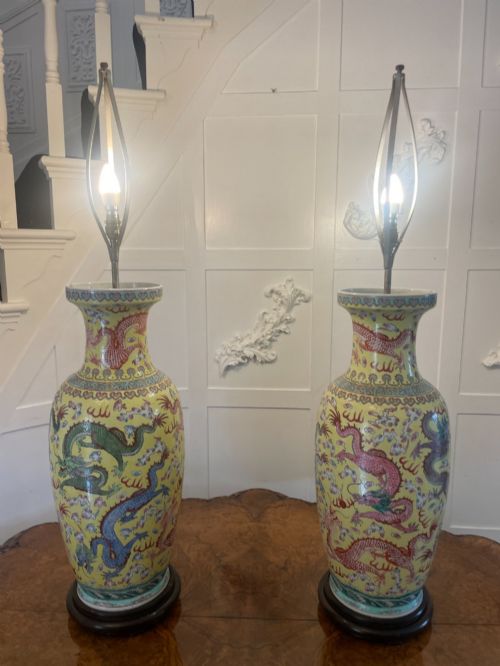
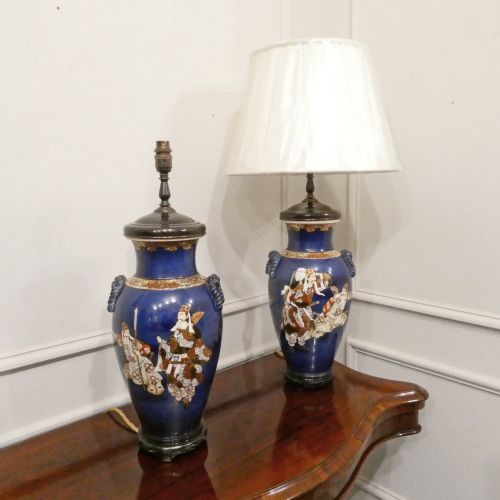
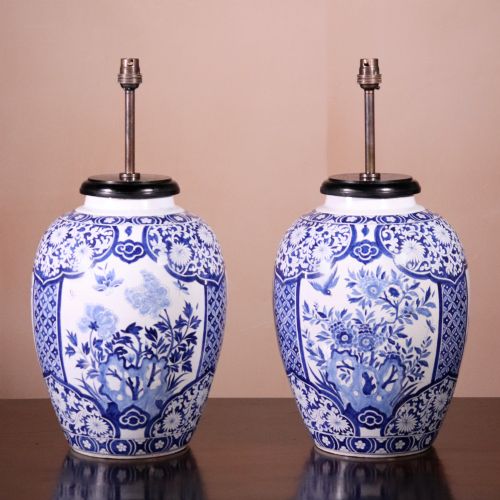
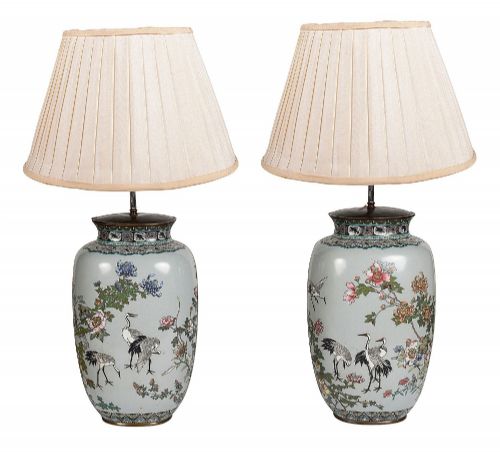
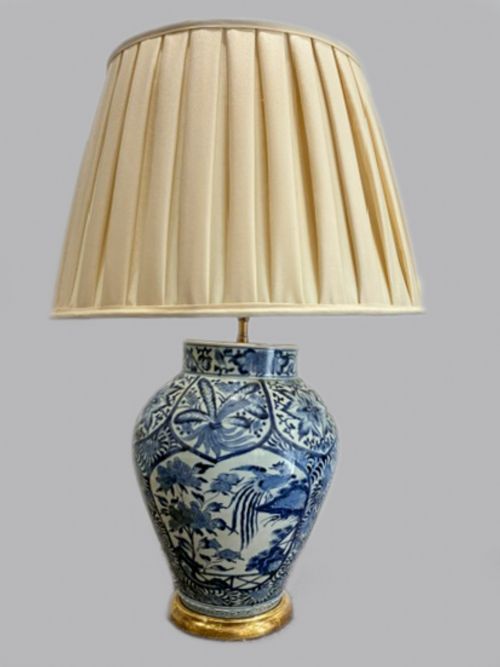
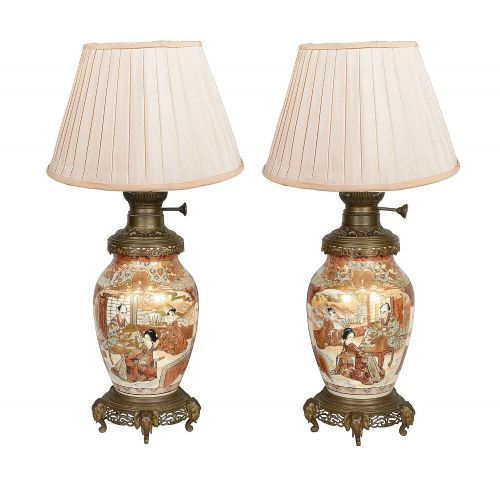
When you search for asian ceramic lighting, you find historic vases, jars and figures that have been converted into table lamps. These pieces originate from Japanese and Chinese workshops across the seventeenth, eighteenth, nineteenth and early twentieth centuries.
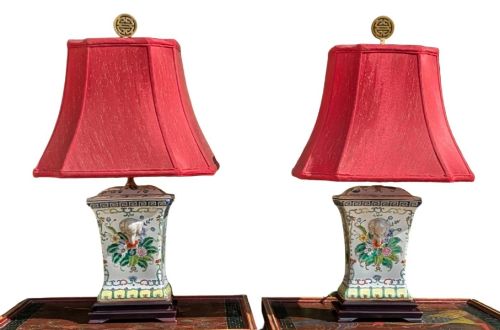
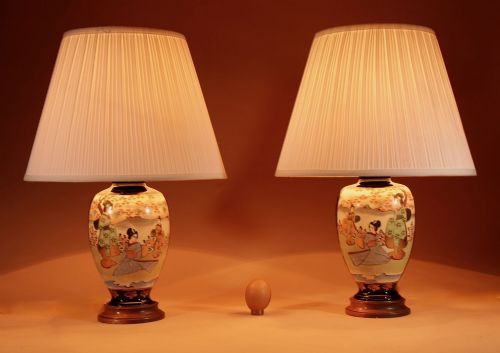
The conversion process usually involves mounting the ceramic body onto brass bases and pairing them with fabric or silk shades. Many examples survive as matched pairs, combining antique hand-painted vessels with electrical fittings adapted for modern interiors.
Materials and construction methods
The bodies utilise porcelain, earthenware, and cloisonné enamel, shaped into baluster vases, ginger jars, and figurative forms. Artisans decorated these surfaces using cobalt blue, celadon glazes, and polychrome enamels in styles such as Imari, Satsuma, and Kutani.
Metal components like brass mounts secure the ceramic vessels to stable bases while housing the electrical wiring. Fabric and silk shades complete the structure, diffusing the light cast through the decorated ceramic bodies.
Asian Ceramic Lighting Retail Price Guide 2026
Typical asking prices for asian ceramic lighting among the pieces listed under this phrase on Sellingantiques today, from the lower quarter to the upper quarter. They describe what is for sale here now, not the wider market.
Several lamps feature mythical Shi lions guarding the light, ready to ward off evil spirits from your living room.
Factors determining quality
Quality rests primarily on the age, crispness and preservation of the ceramic body underneath the electrical conversion. Finely painted details on Satsuma, Kutani or blue and white porcelain indicate superior artisan skill during manufacture.
The integration of the lamp fittings and brass mounts matters significantly to the overall aesthetic success of the conversion. Harmonious proportions between the ceramic vase, the brass hardware and the fabric shade separate standard adaptations from exceptional ones.
The Asian Ceramic Lighting Glossary
- Satsuma
- Earthenware pottery originating from the Satsuma domain in Japan, typically featuring a finely cracked cream-coloured glaze decorated with intricate polychrome and gilt patterns.
- Imari
- A style of Japanese export porcelain characterised by a palette of underglaze blue, iron red, and gilt, produced in Arita and shipped through the port of Imari.
- Celadon
- A term for pottery denoting a pale green translucent glaze that imitates the appearance of jade.
- Cloisonné
- Enamelwork in which enamel is deposited in small compartments formed by strips of metal welded to the vase body.
- Kutani
- Japanese porcelain and pottery known for bold enamel colours, often depicting nature scenes with rich greens, reds, and purples.
Asian Ceramic Lighting: Frequently Asked Questions
How are antique vases converted into lamps?
Historic vases are fitted with internal wiring and brass mounts designed to support a bulb holder and shade. This process allows fragile ceramics to function as desk or table lighting.
Most conversions respect the original ceramic body by utilising existing apertures or mounting them securely without drilling destructive holes where possible.
Are these lamps usually sold as pairs?
Many examples appear as matched pairs, particularly when adapted from decorative garniture vases originally displayed together in period interiors.
Single lamps also occur frequently, offering a balanced accent piece for smaller spaces or bedside tables.
What periods do these ceramics date from?
The ceramic bodies span multiple centuries, ranging from seventeenth-century vessels to early twentieth-century export pieces. Many nineteenth-century items reflect traditional styles revived during the Meiji period and late Qing dynasty.
Electrical wiring and mounts are typically twentieth-century additions put in place when the vases were adapted for use.
How do I care for a ceramic lamp?
Dust the ceramic body gently with a dry, soft cloth and avoid using harsh chemical cleaning agents on the enamel or glaze. Ensure the electrical components are tested periodically by a qualified professional.
Handle the fabric or silk shades with clean hands and keep the lamp away from direct sunlight to preserve the colours.