


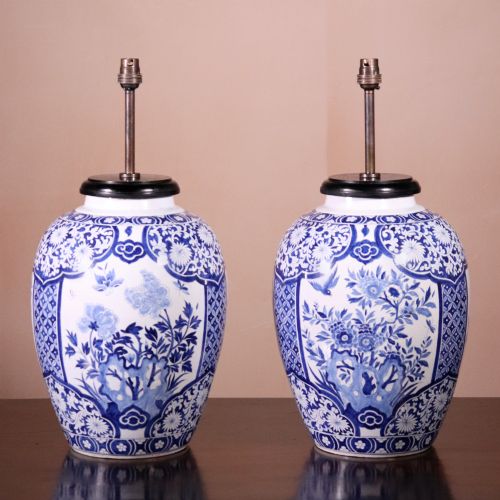






Asian Ceramic Light
An asian ceramic light brings together centuries of eastern craftsmanship and domestic illumination, offering transformed vessels that anchor a room with distinct historical weight.
Asian Ceramic Light
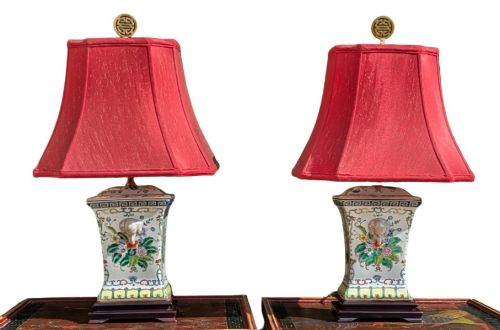
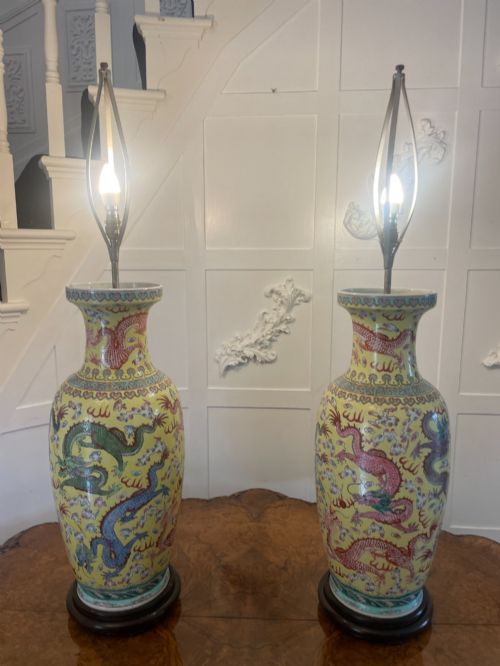
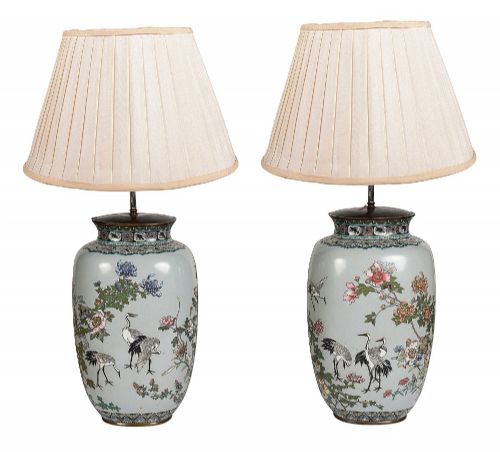
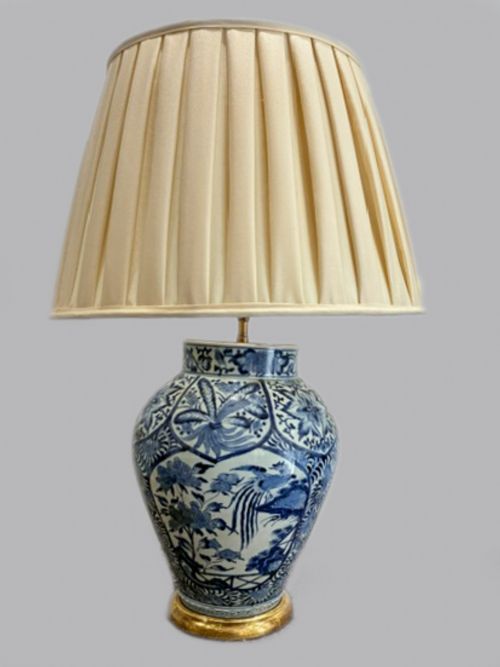
When you search for an asian ceramic light, you encounter antique vessels originally shaped as vases, jars, and spill vases, later converted into table lamps. These pieces span centuries of Chinese and Japanese production, including Satsuma, Kutani, Imari, and Arita wares alongside celadon, blue and white, and turquoise glazes.
The selections here are dominated by table lamps formed from nineteenth-century and early twentieth-century porcelain and earthenware. Pairs appear frequently, alongside monumental single vases mounted with brass or fitted for modern electrical use.
How they were made
Potters shaped these bodies from porcelain and earthenware, applying glazes such as celadon, powder blue, and famille verte before secondary firing. Many surfaces received detailed hand-painted enamel decoration depicting flowers, figures, and geometric bands.
Conversion into lamps involved mounting the ceramic bodies onto supportive hardware, frequently utilising brass fittings to secure the electrical components while preserving the integrity of the original vessel.
Asian Ceramic Light Retail Price Guide 2026
Typical asking prices for asian ceramic light among the pieces listed under this phrase on Sellingantiques today, from the lower quarter to the upper quarter. They describe what is for sale here now, not the wider market.
Styles recorded in these archives include Qing Dynasty, Meiji Period, Chinese Export, Chinoiserie, and Edo Period designs.
What varies in quality
The distinction between ordinary and exceptional examples rests in the precision of the hand-painting and the depth of the glaze. Finer vessels display intricate, well-preserved polychrome enamel work and balanced proportions that command attention in a room.
Integration of the hardware matters significantly. Superior conversions respect the original ceramic body, using sympathetic brass mounts that secure the lamp without altering or damaging the antique vessel beneath.
The Asian Ceramic Light Glossary
- Satsuma
- A type of Japanese earthenware featuring a crackle ivory glaze decorated with intricate polychrome enamels and gilt. It gained significant popularity for export during the Meiji period.
- Imari
- A style of Japanese porcelain originating from Arita, traditionally characterised by a palette of underglaze blue, iron red, gold, and supplementary colours. These wares were heavily exported to Europe.
- Celadon
- A term for ceramics denoting a pale green glaze resembling jade, achieved through iron oxide in the reduction kiln. This finish appears across multiple centuries of Chinese production.
- Kutani
- Japanese coloured porcelain distinguished by bold, painterly enamel designs often incorporating greens, blues, yellows, and purples. These wares frequently depict figures and natural scenes.
- Famille Verte
- A Chinese porcelain palette dominated by green enamel hues, developed during the Qing dynasty. It often includes complementary shades of blue, yellow, and iron red.
Asian Ceramic Light: Frequently Asked Questions
What is an asian ceramic light?
These objects are antique pottery and porcelain vessels, such as vases and jars from China and Japan, which have been adapted into working table lamps.
They combine historical decorative arts with functional domestic lighting, retaining their original hand-painted glazes and forms.
How are these lamps dated?
Dating relies on stylistic markers, including the reign periods of Chinese dynasties, Japanese eras like Meiji and Edo, and the specific characteristics of the glazes and enamels.
Porcelain bodies, potting techniques, and the nature of any associated brass mounts also provide clues to the century of manufacture.
Where should I place a ceramic lamp?
These lamps suit side tables, consoles, and desks where their height and decorative surfaces can be appreciated. Pairs function well on matching sideboards or flanking a fireplace.
Consider placing them where ambient light highlights the hand-painted details and glaze variations.
Are these lamps electrified recently?
Many antique vessels were converted into lamps during the twentieth century, while others receive updated wiring to meet modern standards.
Buyers often check the wiring and brass fittings to ensure they align with contemporary safety requirements while preserving the antique base.