






Asian Carved Lamp
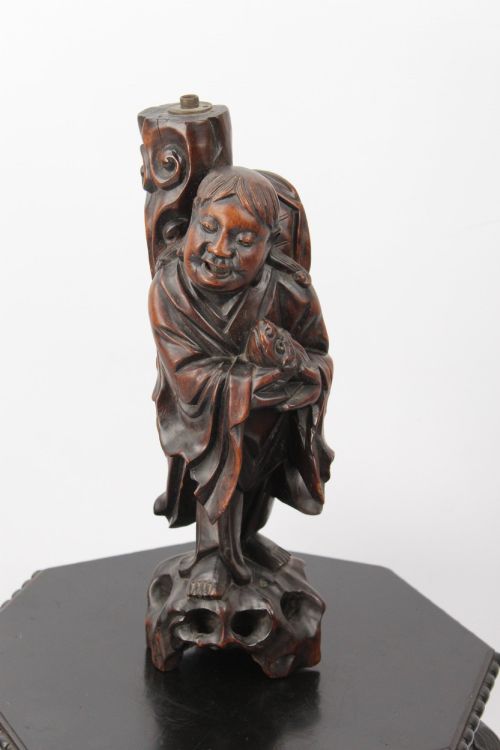
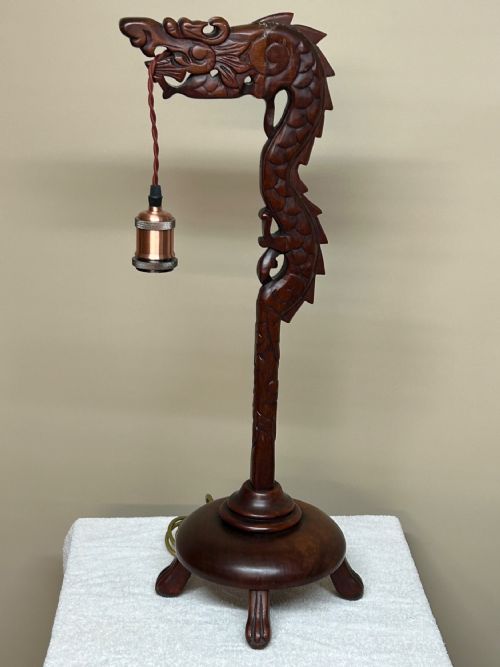
An asian carved lamp brings tactile warmth and intricate craftsmanship into a room through carved timber, bronze, and ceramic forms.
Asian Carved Lamp
When searching for an asian carved lamp, buyers encounter pieces fashioned from dense timbers like hardwood, rosewood, and root wood, alongside bronze castings and porcelain vases adapted for lighting. These items span the nineteenth century into the early twentieth century, incorporating styles from the Qing Dynasty, Japanese Meiji period, and Chinese Export traditions.
Table lamps and standard floor lamps dominate the selections, often sharing aesthetic roots with carved lantern stands, torchieres, and vessel conversions. Many examples integrate figural motifs, dragon carvings, or floral details derived from traditional regional craftsmanship.
How they were made
Makers utilised dense natural materials, shaping hardwoods, root wood, and padauk through manual carving and joinery. Bronze components were cast to form animal or figural supports, while porcelain bodies such as celadon and Famille Rose vases were selected for their glazed surfaces.
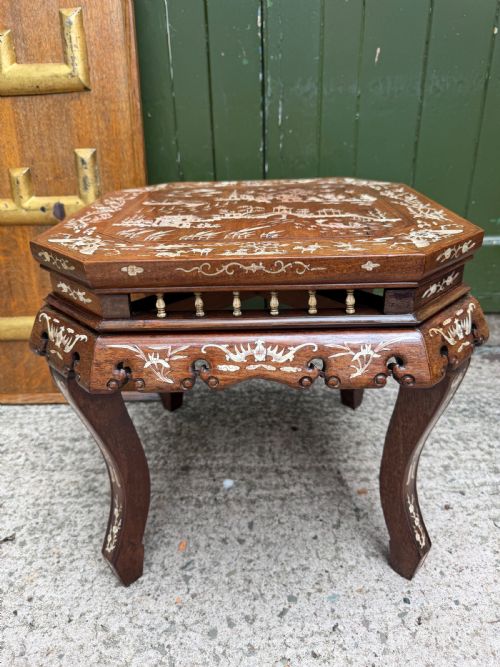
Surface enhancement involved intricate bone inlay, marble inserts, and polished finishes that highlighted the grain of the timber. Metal elements received detailed chiselling to define scales, drapery, and textural relief.
Asian Carved Lamp Retail Price Guide 2026
Typical asking prices for asian carved lamp among the pieces listed under this phrase on Sellingantiques today, from the lower quarter to the upper quarter. They describe what is for sale here now, not the wider market.
Listings feature items from the 19th century, Victorian era, and up to 1920, incorporating hardwood, porcelain, bronze, and marble.
What varies in quality
Quality rests upon the depth and precision of the carving, distinguishing fluidly rendered animal forms and foliage from simpler, rigid block work. The selection of materials also dictates standard, with choice hardwoods and well-poured bronzes holding greater visual weight.
Structural integrity and the preservation of original surfaces define the better examples. Pieces that retain their natural wood patination and uncompromised decorative inlays demonstrate superior craftsmanship.
The Asian Carved Lamp Glossary
- Meiji Period
- The era in Japanese history spanning from 1868 to 1912, noted for detailed metalwork and naturalistic wood carving. This period produced many of the bronze figures and root wood pieces seen today.
- Qing Dynasty
- The final imperial dynasty of China, lasting from 1644 to 1912, characterised by ornate hardwood furniture and refined porcelain production. Items from this era often feature intricate floral and dragon motifs.
- Root Wood
- Timber formed from the root mass of a tree, prized for its gnarled, organic shapes and expressive grain. Artisans carve these natural contours into lamp bases and figural sculptures.
- Celadon
- A term for ceramics denoting a pale green glaze, frequently applied to porcelain vases. These vessels are regularly wired to serve as lamp bases.
- Torchiere
- A tall standing floor lamp designed to direct light upwards. These wooden or metal supports often feature prominent carved detailing.
Asian Carved Lamp: Frequently Asked Questions
What periods do these lamps come from?
The selections span the nineteenth century, Victorian era, and the early twentieth century up to the 1920s. Many pieces originate from the Qing Dynasty in China or the Meiji period in Japan.
Craftsmanship from these decades relies heavily on hand-carved hardwoods, traditional bronzes, and adapted porcelain vases.
How do I distinguish Chinese from Japanese pieces?
Chinese examples frequently utilise dense hardwoods like huali and root wood alongside porcelain vessels, often incorporating motifs such as dragons and Daoist immortals. Japanese pieces from the Meiji period often showcase naturalistic bronze figures or detailed root wood carvings.
Stylistic markers and regional materials help clarify the origin of each piece.
Were these originally made as lamps?
Many items began as something else, including vases, lantern stands, torchieres, and vessel supports, before being converted for electrical lighting. Standard lamps and specific table models were sometimes built with internal wiring channels during later production.
This adaptation of decorative objects is a common practice in lighting history.
How do I care for carved wooden bases?
Maintain the timber by keeping it away from direct heat sources and sudden changes in humidity. Dust gently with a dry, soft cloth to protect the intricate carved details and natural patination.
Avoid liquid polishes that can build up within the recessed areas of the carving.