



Asian Art Scroll
These asian art scroll pieces bring centuries of hand-painted tradition into your rooms through delicate ink and pigment on silk and paper.
Asian Art Scroll
When you search for an asian art scroll, you encounter wall art and framed artwork spanning periods from the seventeenth century through to the early twentieth century. These works capture traditional Chinese, Qing Dynasty, Edo Period, and Tibetan Buddhist subjects rendered with careful brushwork.
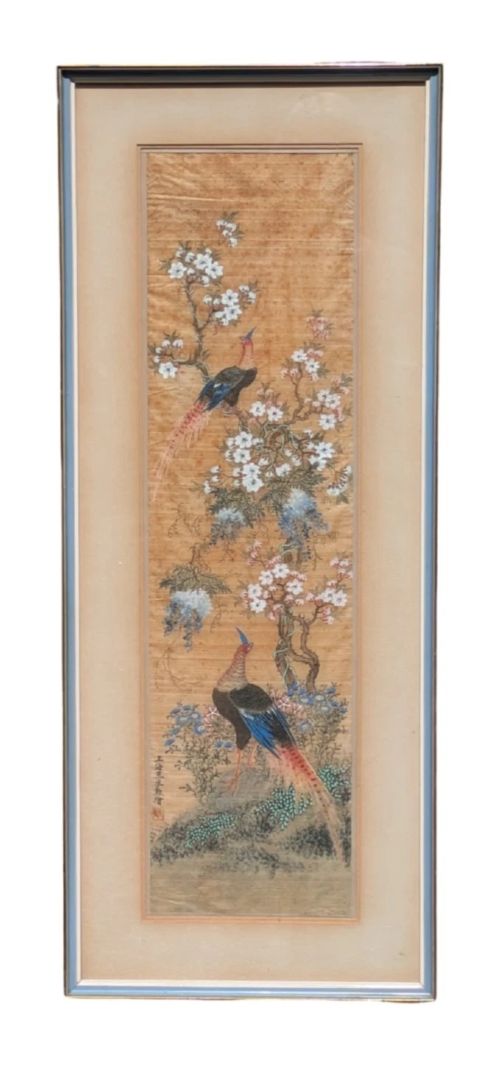
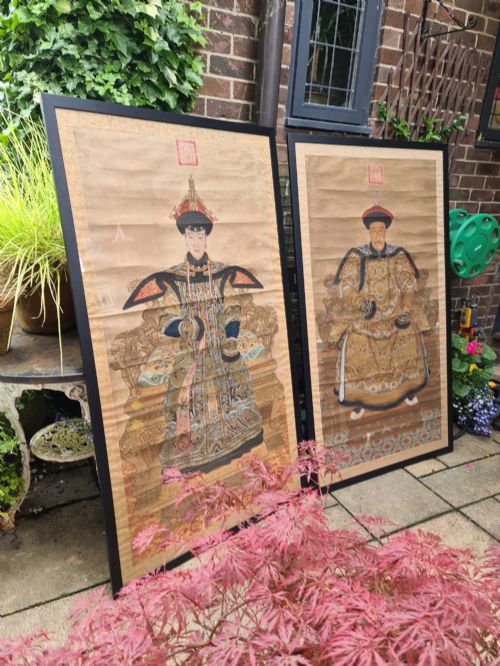
You are most likely to meet nineteenth century scroll painting examples, often featuring silk or paper supports housed within wooden frames. Ancestor portraits, Buddhist deities, and watercolour studies of animals or immortals dominate the selection available on this page.
Materials and methods
Makers applied natural pigment and ink directly onto fine surfaces of silk, canvas, and paper to create these enduring works. These flexible mediums were frequently mounted as hanging scrolls before later being placed behind glass within wood frames for preservation.
Ceramic pieces in this category relied on moulded techniques, shaping clay before applying glazes such as Longquan celadon to form intricate surface patterns like floral scrolls. Painters combined steady hand control with traditional brush methods to achieve the fine detail seen in portraits of ancestors and deities.
Asian Art Scroll Retail Price Guide 2026
Typical asking prices for asian art scroll among the pieces listed under this phrase on Sellingantiques today, from the lower quarter to the upper quarter. They describe what is for sale here now, not the wider market.
Listings feature works spanning multiple eras, from pre-sixteenth century ceramics up to nineteenth century watercolours on silk.
Judging quality in asian art scroll works
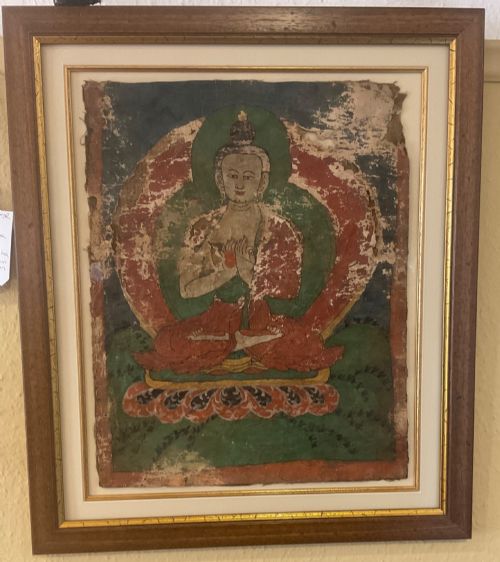
Quality rests upon the fineness of the brushwork and the vibrancy of the pigments used to define the subject. Superior works display confident lines and harmonious colour retention that bring depth to figures such as the Daoist Immortal Jade Emperor or the Vairocana Buddha.
The integrity of the original material carrier, whether aged silk, paper, or carved wood frame, influences the standing of a piece. Preserved fabrics and clear, unblemished pigment applications separate the finest historical examples from simpler decorative items.
The Asian Art Scroll Glossary
- Scroll painting
- A work of art executed on a flexible support of silk or paper designed to be rolled or hung. These pieces often depict traditional subjects such as landscapes, ancestors, or religious figures.
- Thangka
- A Tibetan Buddhist painting on cotton or silk appliqué, usually depicting a deity, scene, or mandala. These works served as teaching tools and aids for meditation.
- Qing Dynasty
- The last imperial dynasty of China, ruling from the mid-seventeenth century until the early twentieth century. This era produced distinctive court paintings and ancestral portraits.
- Edo Period
- The period in Japanese history spanning from the early seventeenth to the mid-nineteenth century. Art from this time encompasses varied painting traditions and screen designs.
Asian Art Scroll: Frequently Asked Questions
How do I hang a framed scroll?
Ensure your wall fixings can support the weight of the wood frame and glass housing.
Position the artwork at eye level to best appreciate the fine details of the silk or paper painting.
Are these scrolls painted by hand?
The works featured here are traditional hand-painted items utilising ink and pigment on silk or paper.
Master painters applied these mediums to create distinct portraits of ancestors, deities, and animals.
How do I care for silk paintings?
Keep delicate silk and paper works away from direct sunlight to prevent the natural pigments from fading over time.
Maintain a stable indoor humidity level to protect the organic materials from warping or degradation.
What subjects appear on these scrolls?
Common subjects include Daoist immortals, Buddhist deities like the Vairocana Buddha, and traditional ancestral portraits.
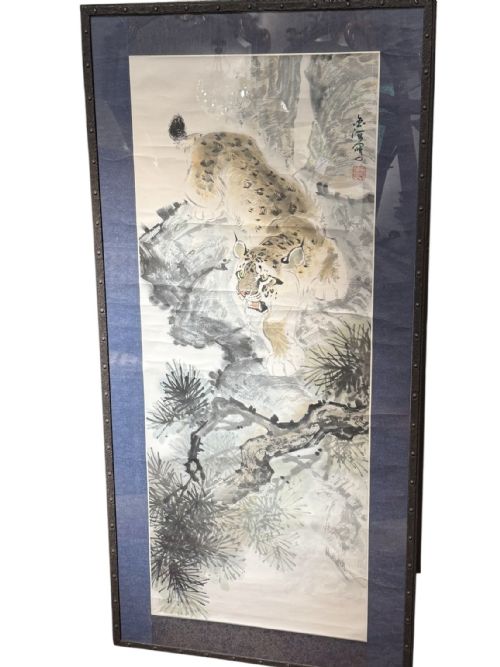
Other works depict seasonal motifs such as snow leopards, phoenixes, and natural landscapes.