



Ash Wood Furniture
Ash wood furniture brings honest vernacular strength into a room through pale grain and enduring country craftsmanship.
Ash Wood Furniture
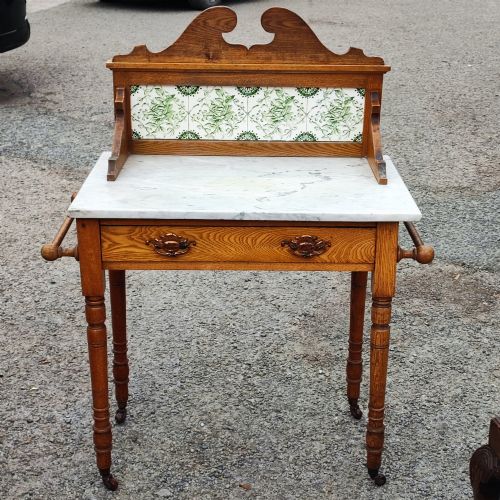
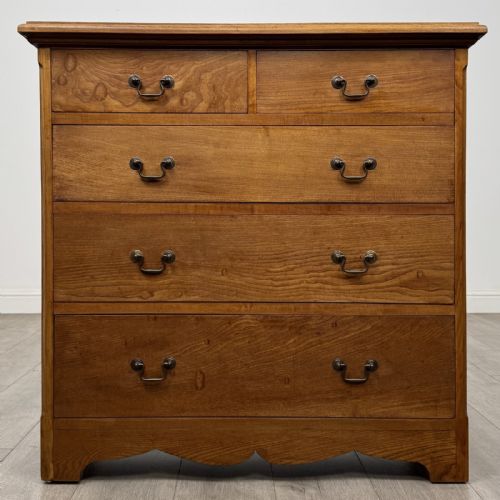
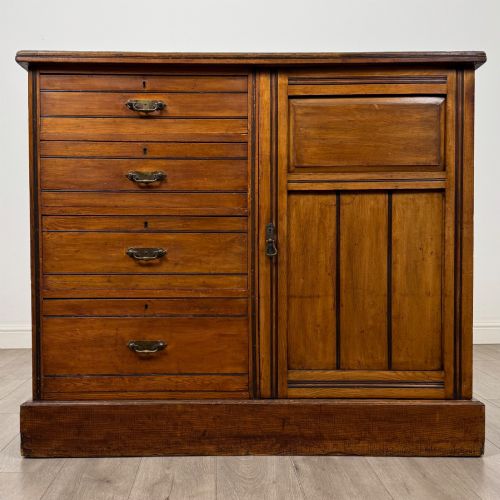
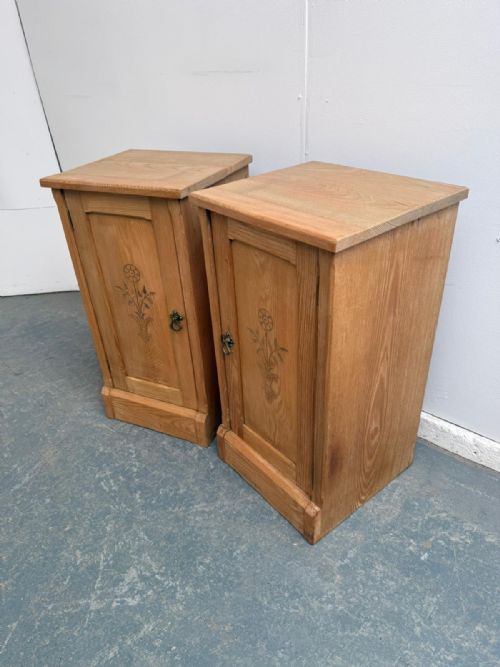
Ash wood furniture encompasses practical domestic pieces shaped by rural makers and urban workshops across the eighteenth, nineteenth, and early twentieth centuries. Buyers seeking ash wood furniture encounter robust seating, tables, and storage items rooted in English country, Victorian, and Arts and Crafts traditions. The most frequent pieces on this page are sturdy chairs, bedside cabinets, and chests of drawers that combine utility with honest grain.
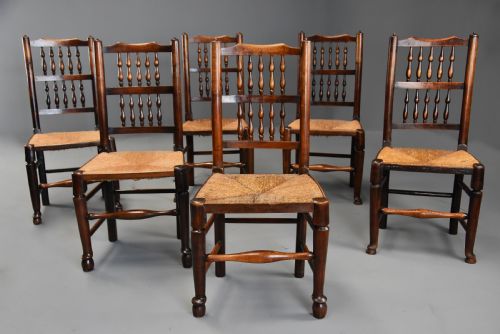
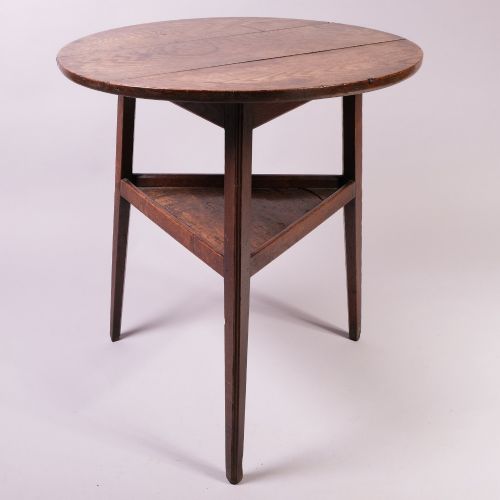
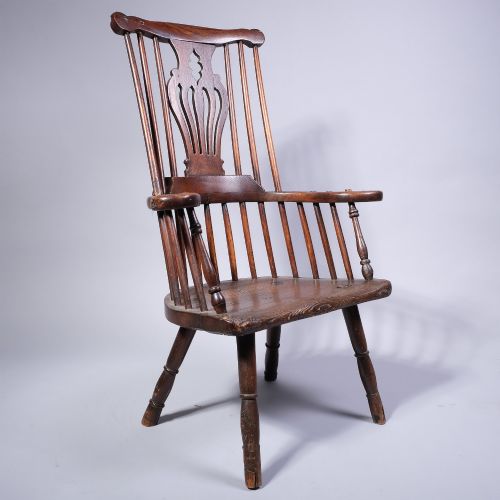
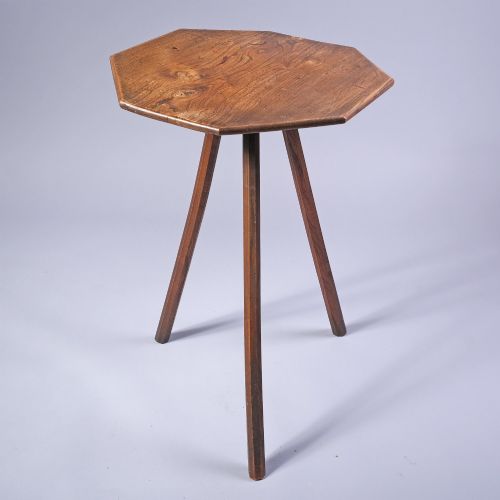
Makers often paired ash with elm, rush, or mahogany to build durable domestic objects ranging from cricket tables to Windsor armchairs. Pieces span Georgian vernacular styles, rustic farmhouse forms, and late Victorian writing desks alongside Edwardian bedroom suites. Each item reflects the tough, flexible nature of the timber, utilised for everything from spindle backs to commodes.
What Varies in Quality
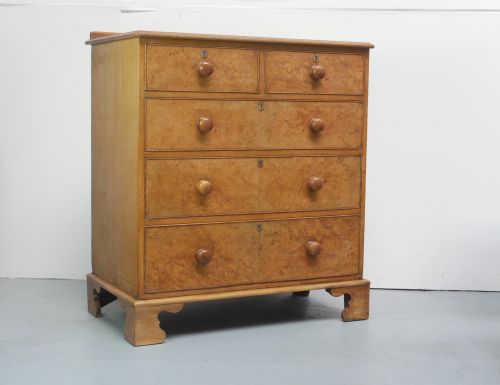
Quality rests on the integrity of the timber selection, particularly the presence of striking burr patterns or well-matched secondary woods like elm. The refinement of the joinery and the survival of an original waxed surface or patination elevate certain examples above standard utilitarian items. Proportion, balance, and the preservation of original fittings distinguish skilled vernacular or workshop production from cruder provincial work.
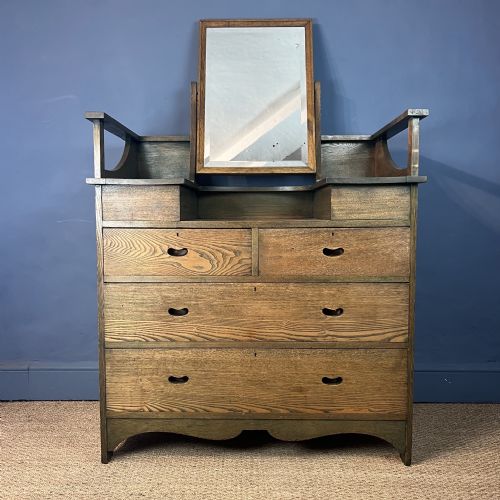
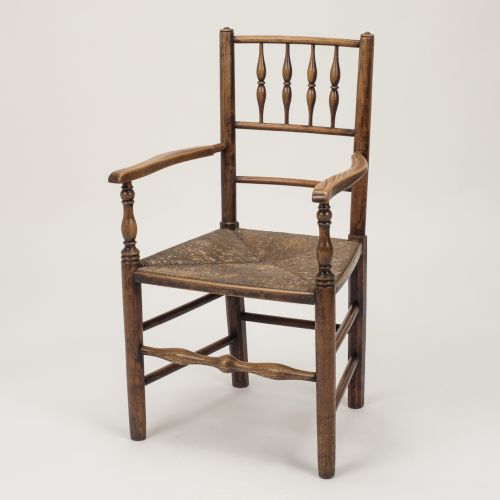
The sophistication of the design dictates distinction, moving from naive child chairs to ambitious George Walton dressing chests or architectural Arts and Crafts bedroom suites. Greater care in turning spindle backs, steam-bending arm bows, and integrating brass hardware separates everyday rural output from exceptional cabinet work.
Ash Wood Furniture Retail Price Guide 2026
Typical asking prices for ash wood furniture among the pieces listed under this phrase on Sellingantiques today, from the lower quarter to the upper quarter. They describe what is for sale here now, not the wider market.
Forms range from naive child high chairs and dairy tables to sophisticated George Walton dressing chests and Louis Philippe commodes.
G. Bartholomew & Co·George Walton
The Ash Wood Furniture Glossary
- Comb Back
- A Windsor chair variation where the central spindle tops pierce a small horizontal headrest resembling a traditional hair comb.
- Cricket Table
- A small, lightweight occasional table featuring three splayed legs designed to stand steady on uneven cottage floors.
- Burr Ash
- A knotted growth on the tree trunk that yields highly figured, swirling veneer patterns favoured for fine cabinet fronts.
- Súgán Chair
- A traditional seating form utilising a plaited straw or rush seat woven directly onto a sturdy timber frame.
- Spindle Back
- A chair construction method featuring numerous thin turned wooden rods supporting the upper backrail.
Ash Wood Furniture: Frequently Asked Questions
What is ash wood furniture?
Ash wood furniture comprises functional domestic items built from sturdy European hardwood, spanning centuries of rural and urban design. These pieces include Windsor chairs, chests of drawers, and tables valued for their pale grain and resilience.
Craftsmen favoured ash for its flexibility and strength, frequently combining it with elm or rush in vernacular traditions. The category covers simple country items alongside sophisticated Arts and Crafts cabinets.
How do I care for ash wood furniture?
Maintain waxed ash surfaces by applying natural beeswax periodically to nourish the grain and protect the timber from drying out. Keep pieces away from direct heat sources and sudden humidity shifts to prevent warping.
Dust surfaces regularly with a soft, dry cloth rather than using harsh chemical polishes. Gentle care preserves the historical patina built up over decades of use.
How do I identify Arts and Crafts ash pieces?
Arts and Crafts ash items typically feature honest construction, minimal ornamentation, and exposed joinery that highlight the natural material. Look for clean structural lines, waxed finishes, and functional hardware associated with early twentieth-century design reforms.
Many examples include fitted bedroom suites, chests, and bedside cabinets produced during the aesthetic movement around nineteen hundred. These pieces prioritize utility and craftsmanship over historical revival styles.
Were ash and elm used together?
Makers frequently paired ash and elm because their complementary physical properties created durable, resilient seating. Ash provided flexible strength for spindles, legs, and bentwood bows, while elm offered tough, splinter-resistant properties ideal for solid carved seats.
This combination appears extensively in traditional Windsor chairs, low backs, and country benches. The contrasting grain tones add visual depth to the finished rural pieces.