

Ash Hoop Back Chairs
Ash hoop back chairs are sturdy vernacular seating pieces built by regional makers, prized for their bentwood framing and comfortable saddle seats.
Ash Hoop Back Chairs
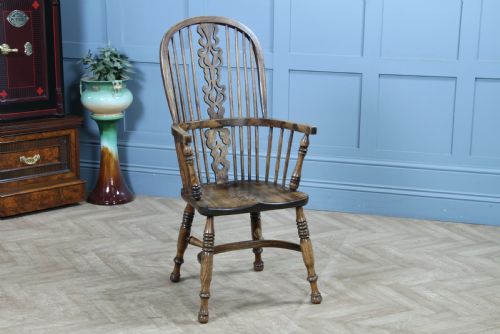
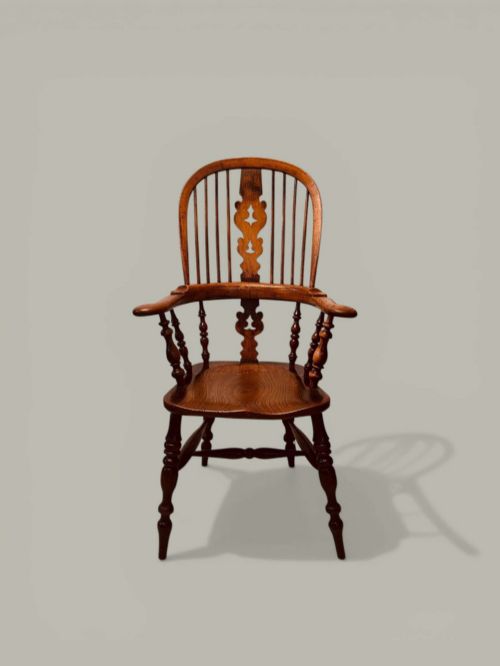
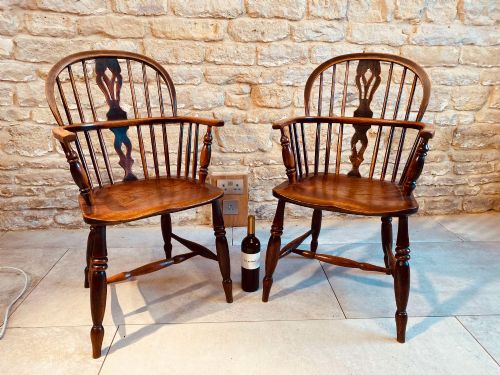
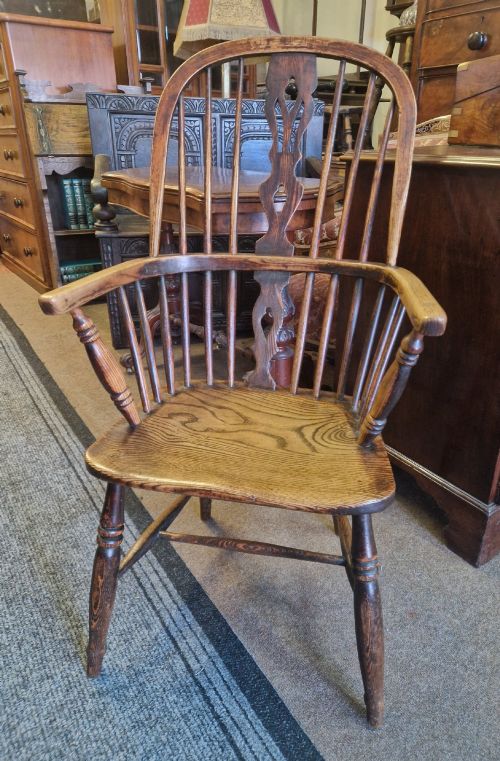
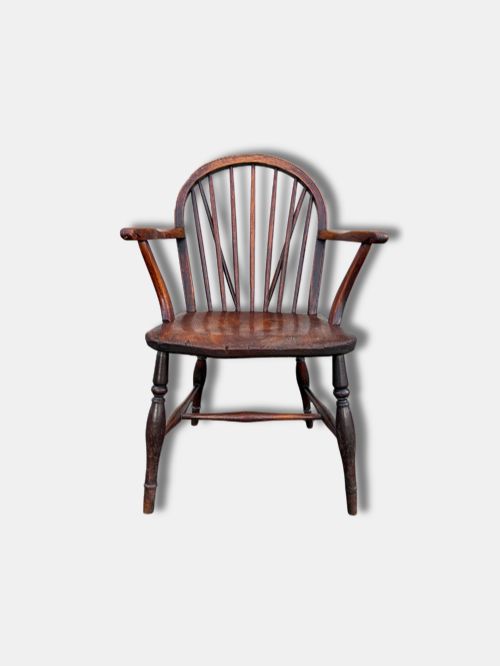
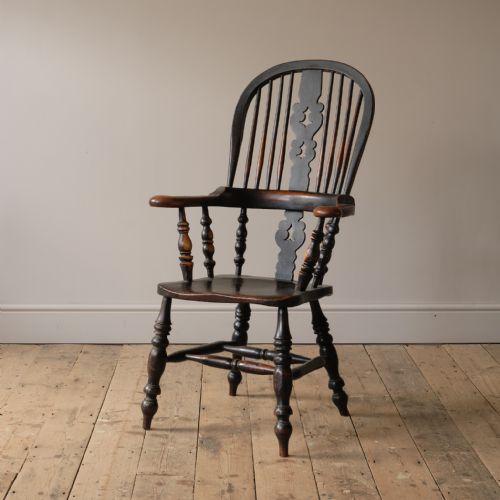
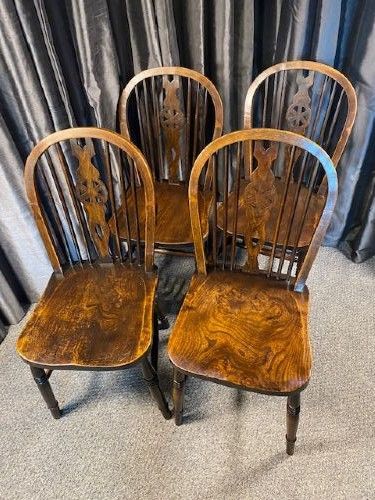
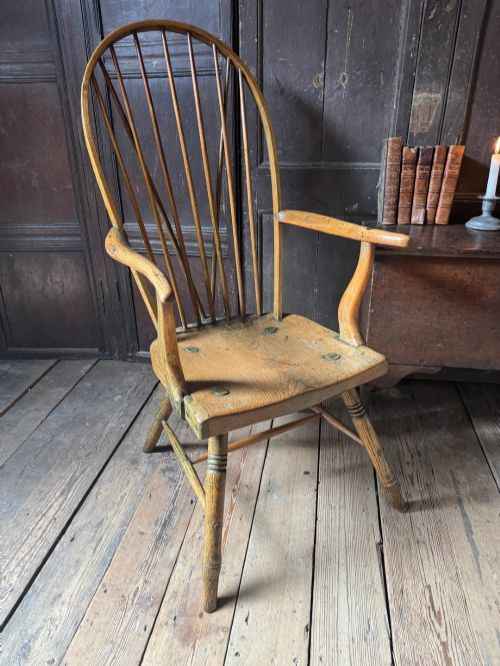
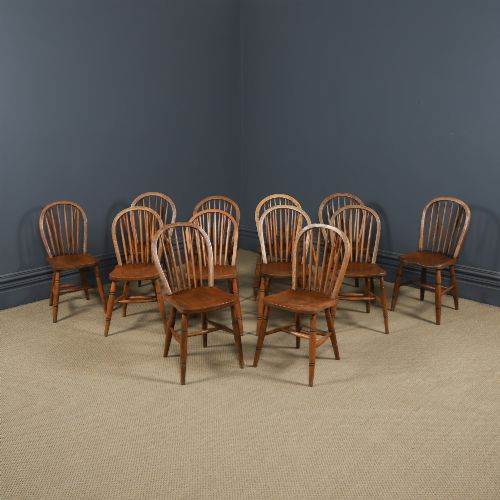
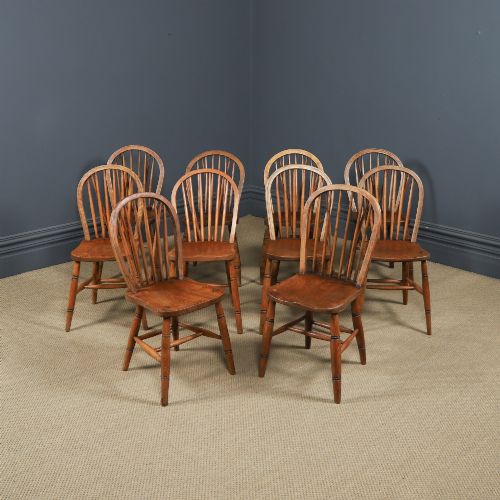
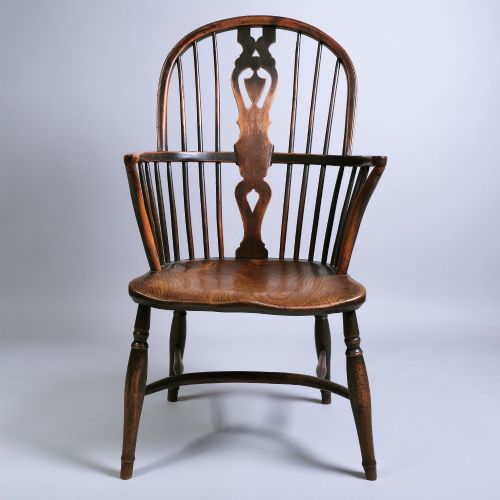
When searching for ash hoop back chairs, collectors encounter traditional seating forms originating from English country and vernacular workshops. These chairs span the eighteenth, nineteenth, and early twentieth centuries, reflecting the enduring utility of regional furniture making. The most common examples on this page combine an ash steam-bent bow with an elm seat and additional timbers like beech or oak.
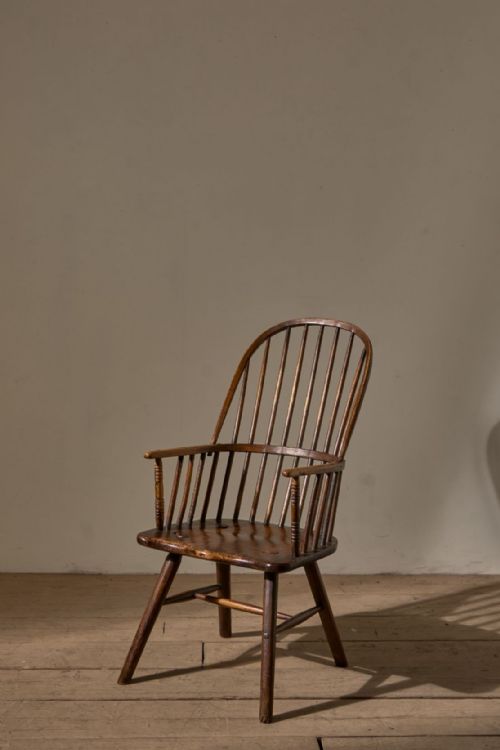
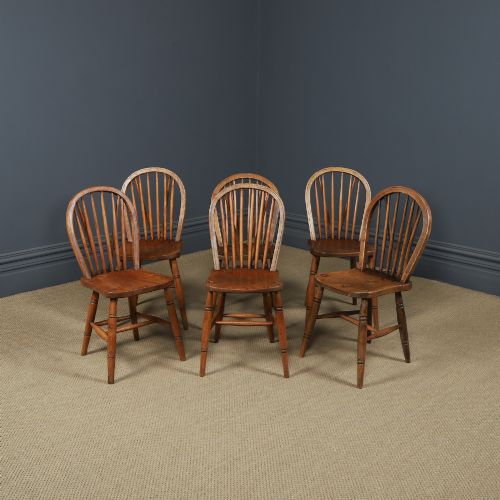
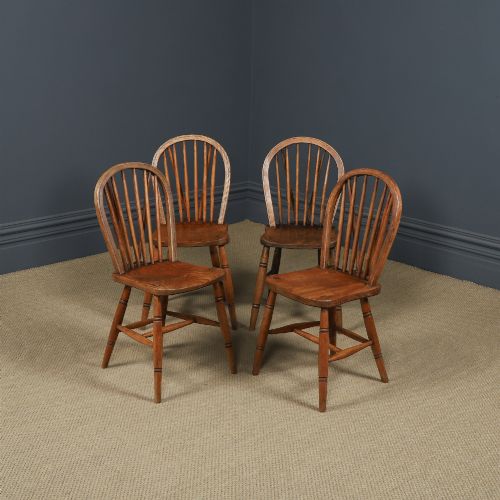
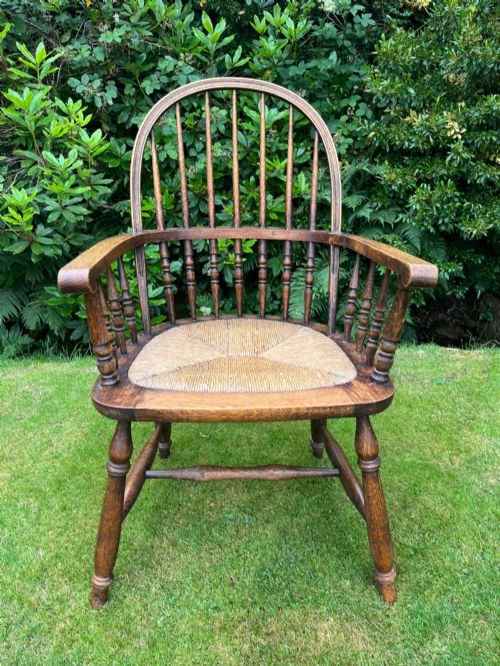
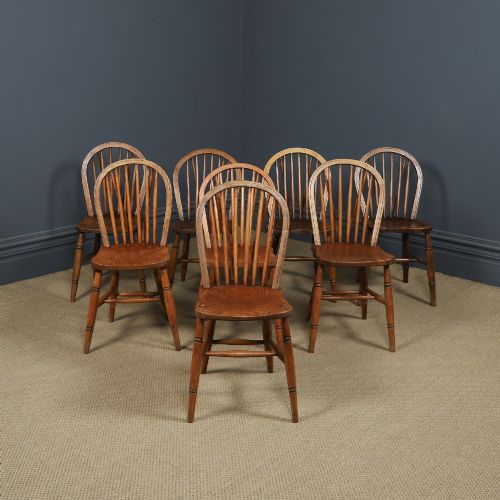
The selection ranges from individual armchairs and matched sets of dining chairs to low-back models and child's chairs. Pieces often emerge from specific regional traditions, such as the Thames Valley or the West Country, displaying local variations in spindle turning and back splats. Buyers frequently find single armchairs alongside larger sets designed for farmhouse kitchens and country houses.
Materials and construction
Makers utilised a combination of native hardwoods selected for specific structural roles within each chair. Ash provided the tensile strength required to steam-bend the continuous hoop back, while elm offered a stable, durable timber for carved saddle seats. Beech, oak, and yew occasionally appear in the spindles, legs, and arms, adding secondary strength and contrasting grain patterns.
Construction relied on traditional green woodworking techniques, joining turned undercarriages and spindles into solid plank seats through drilled mortise and tenon joints. The arched hoop frames were typically steamed until pliable, then clamped into jigs to achieve their characteristic curved profile before drying.
Ash Hoop Back Chairs Retail Price Guide 2026
Typical asking prices for ash hoop back chairs among the pieces listed under this phrase on Sellingantiques today, from the lower quarter to the upper quarter. They describe what is for sale here now, not the wider market.
Listings feature pieces spanning the eighteenth century through to the early twentieth century, utilising ash, elm, beech, oak, and yew.
Distinctions in quality
The distinction between standard examples and the top of the range rests upon the fluency of the steam-bent hoop and the depth of the sculpted elm seat. Superior pieces display harmonious proportions in the turning of the legs and spindles, along with a comfortable, deeply dished seat that reveals careful adze work. Regional character also influences standing, as well-defined West Country or Thames Valley traits elevate an example above anonymous vernacular production.
Fred Walker
The Ash Hoop Back Chairs Glossary
- Hoop back
- A continuous bentwood bow forming the upper back and arm support of a Windsor chair. This curved member distributes weight and provides resilient support.
- Saddle seat
- A thick wooden seat base carved into a concave, ergonomic shape resembling a horse saddle. Elm was the preferred timber for this component due to its interlocking grain.
- Windsor chair
- A chair built with a solid wooden seat into which the legs, back spindles, and bow are separately inserted. They evolved as robust seating for domestic and garden use.
- Stick back
- A chair back constructed from multiple plain or shaped vertical spindles rather than a central solid splat. These offer lightweight yet rigid structural support.
- Vernacular
- Furniture made by regional craftsmen following local traditions rather than metropolitan academic designs. These pieces prioritise functional utility and readily available native timbers.
Ash Hoop Back Chairs: Frequently Asked Questions
What defines an ash hoop back chair?
An ash hoop back chair is a traditional Windsor form featuring a continuous steam-bent ash rail that forms the upper back and arms. The frame combines multiple turned spindles and a carved wooden seat.
These pieces belong to the broader vernacular tradition, created for everyday use in kitchens, country houses, and rural parlours across Britain.
How do I identify different periods?
Dating relies on examining the turning style of the legs, the thickness of the seat, and the profile of the back bow. Eighteenth-century examples often display broader proportions and distinct regional turning.
Nineteenth and early twentieth-century versions introduce standardised production methods while retaining traditional green woodworking techniques and native timber combinations.
Were these chairs used for dining?
Many examples on this page come in matched sets intended for farmhouse kitchens and dining spaces. These dining chairs balance sturdy construction with practical comfort.
Armchairs and low-back models were typically placed by hearths or used as general-purpose seating around the home.
How should I care for an antique chair?
Maintaining these pieces requires stable indoor humidity levels to prevent the native hardwoods from drying out or splitting. Gentle dusting and occasional application of traditional wax preserve the finish.
Avoid placing wooden seating near direct heat sources or in areas subject to rapid temperature fluctuations.