




Ash Armoire
Ash armoire selections bring sturdy domestic storage to the bedroom, pairing robust timber with practical hanging and shelving space.
Ash Armoire
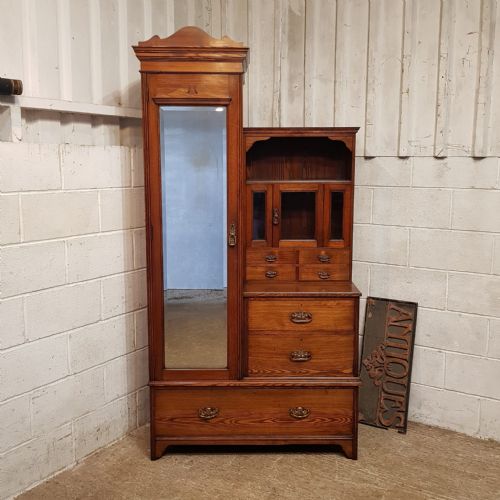
An ash armoire encompasses large bedroom storage pieces, including wardrobes, linen presses, and compactums, typically fashioned from pale hardwood. These items originate across various eras, spanning the eighteenth century through the Edwardian period, often reflecting country workshop traditions or distinct regional styles like French Provincial.
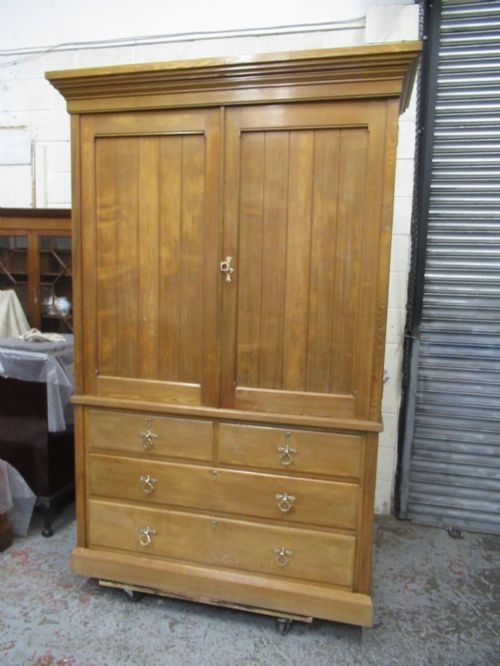
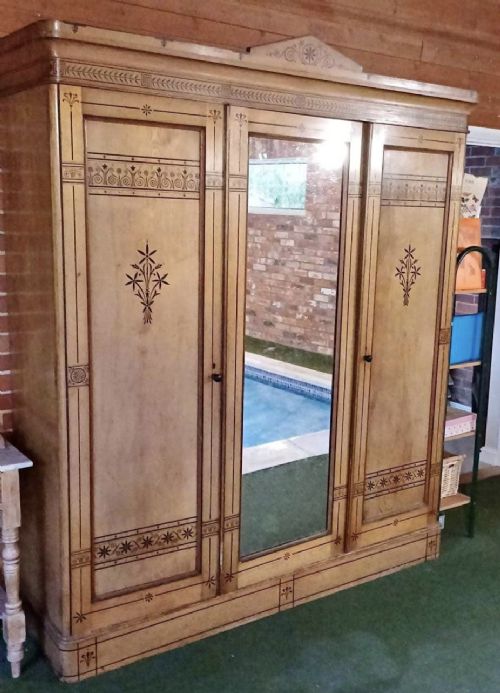
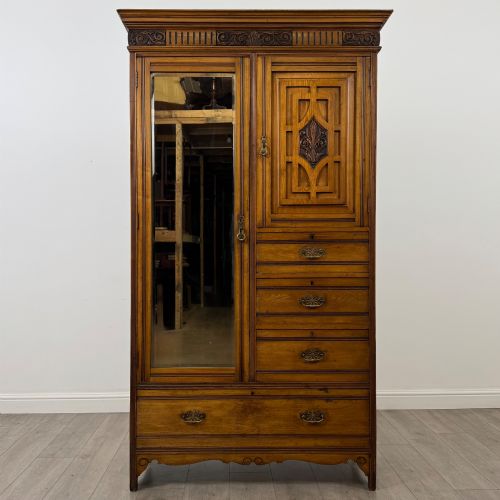
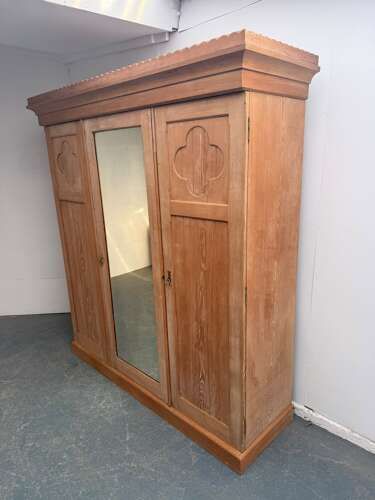
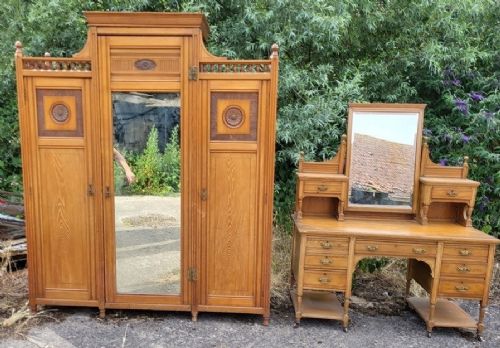
The pieces appearing on this page most frequently showcase Victorian and Edwardian craftsmanship, often combining functional hanging space with drawers and fitted interiors. Buyers encounter substantial farmhouse linen presses alongside smaller single wardrobes and elaborate combination furniture incorporating varied timbers.
Materials and construction methods
Cabinet makers utilised solid ash, frequently pairing it with secondary woods such as elm or oak for internal structures, while incorporating brass and steel hardware for hinges and locks. Surfaces were finished with wax, paint, or delicate inlay work to enhance the natural grain of the timber.
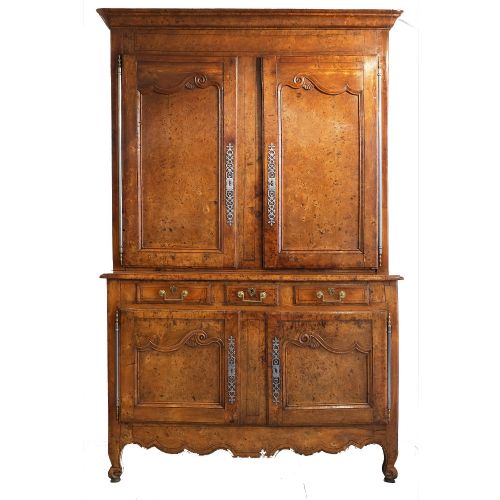
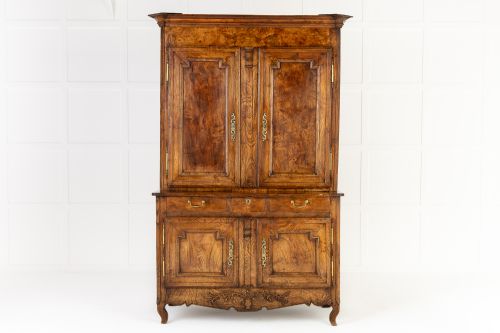
Larger items like the deux corps buffet and compactum wardrobes relied on heavy timber framing, panelled doors, and demountable sections to allow transport and assembly within domestic chambers.
Ash Armoire Retail Price Guide 2026
Typical asking prices for ash armoire among the pieces listed under this phrase on Sellingantiques today, from the lower quarter to the upper quarter. They describe what is for sale here now, not the wider market.
The furniture forms on this page span from French provincial deux corps buffets to Arts and Crafts gentlemens wardrobes.
Judging quality in ash furniture
Quality rests upon the selection of timber and the precision of the joinery, distinguishing heavy utilitarian farmhouse pieces from refined workshop productions. The handling of secondary woods, such as elm backs and oak linings, marks the distinction between standard domestic utility and more considered design.
The integrity of fitted interiors, original brass fittings, and the preservation of surface finishes - whether natural wax, early paint, or subtle inlay - determine the standing of each piece within its period.
Maple & Co.·Shapland & Petter
The Ash Armoire Glossary
- Compactum
- A multi-compartment wardrobe combining hanging space, drawers, and linen shelves within a single unified case. This form became particularly popular during the late Victorian and Edwardian periods.
- Deux Corps
- A tall two-part cupboard or buffet featuring an upper section resting upon a deeper lower base. French provincial examples frequently utilise local timbers such as ash and elm.
- Linen Press
- A tall storage cupboard featuring upper sliding trays or shelves for folded textiles, situated above a bank of drawers. These pieces served a central role in domestic housekeeping before fitted closets.
- Inlay
- The technique of inserting contrasting materials into recessed portions of the ash surface to form decorative patterns. This ornamentation appears on select Victorian and later examples.
Ash Armoire: Frequently Asked Questions
What is an ash armoire?
An ash armoire is a large wooden storage cabinet or wardrobe built primarily from pale ash timber. These pieces provide substantial hanging space, drawers, or shelving for bedroom use.
They appear in various historic styles, ranging from rustic eighteenth century French provincial buffets to fitted Victorian and Edwardian compactum wardrobes.
How do I care for ash furniture?
Ash timber benefits from regular dusting with a soft, dry cloth and occasional treatment with traditional beeswax to nourish the grain. Avoid placing these pieces in direct sunlight or near heat sources to prevent timber splitting.
Maintaining stable room humidity protects both the solid wood construction and any delicate brass hardware or historic surface finishes.
How do I identify Victorian ash pieces?
Victorian ash items often display heavier proportions, functional fitted interiors, and occasionally decorative inlay work or dark wax finishes. They reflect the industrial expansion of furniture production while retaining solid timber construction.
Examining internal components, such as drawer linings and backboards made of secondary woods like elm or oak, helps confirm the period of manufacture.
Where were ash armoires used?
These large storage pieces were traditionally placed in bedrooms, dressing rooms, and large farmhouses to store clothing, linens, and personal belongings. Their robust construction suited daily domestic service.
Today, they serve the same practical storage function in modern homes while introducing historic character and natural wood grain to a room.