

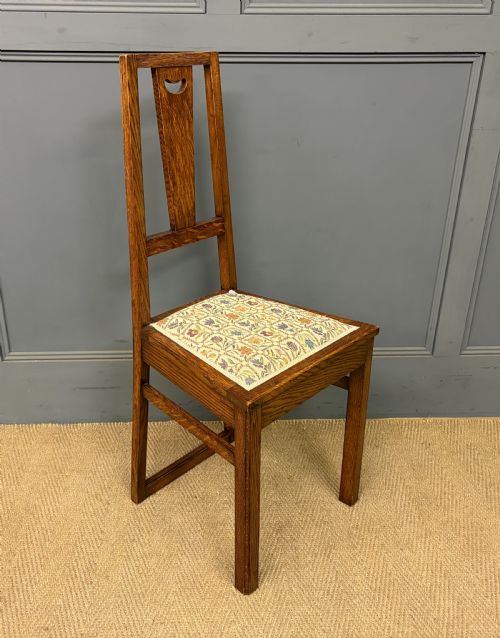
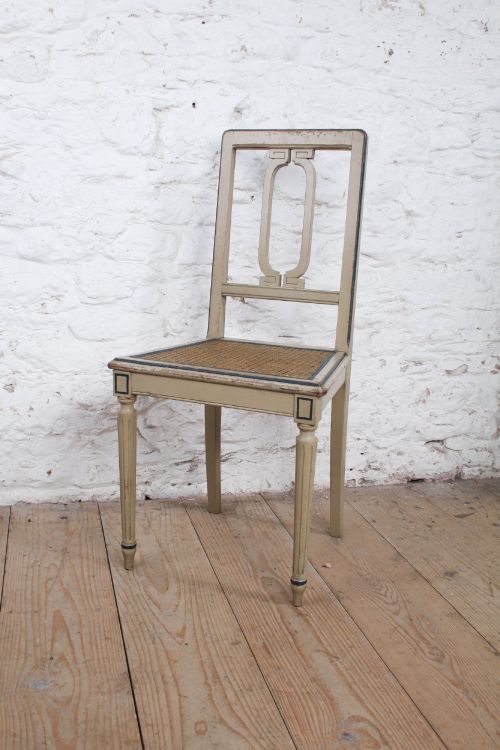
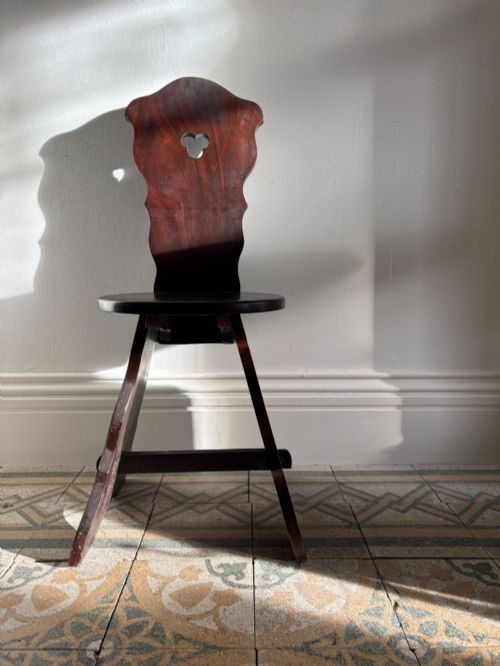

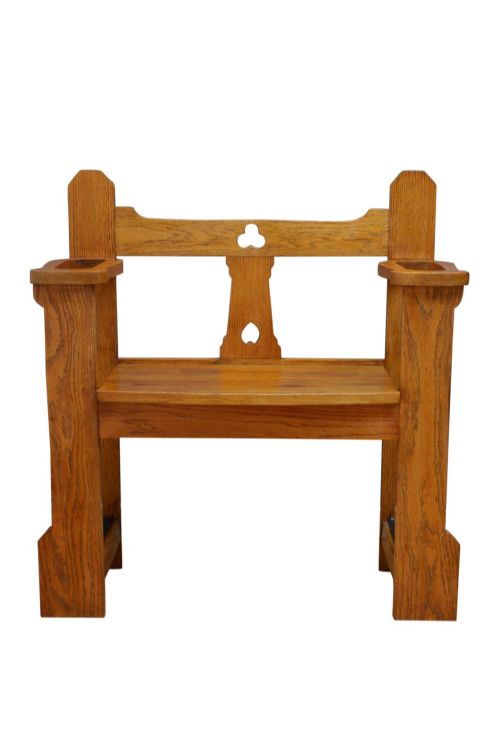


Arts Crafts Hall Chairs
Arts crafts hall chairs bring honest construction and sturdy timber into an entranceway, offering robust seating with straightforward character.
Arts Crafts Hall Chairs
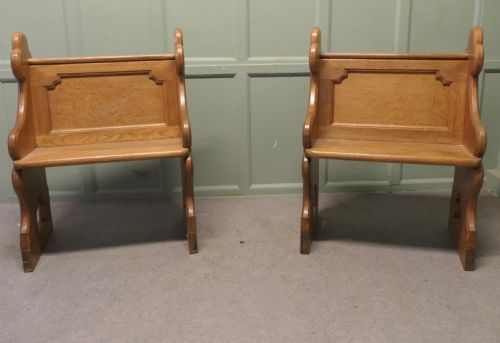
When you search for arts crafts hall chairs, you encounter sturdy seating designed for entranceways and corridors, typically constructed during the late nineteenth and early twentieth centuries. These pieces reflect the movement towards honest craftsmanship and utility, often taking the form of high-back side chairs or narrow benches.
Many items appear in pairs, intended to flank a hallway or stand beneath a mirror. Their upright postures and robust timber frames reflect their original purpose as occasional seating rather than lounge furniture.
Judging the work
Quality in these chairs rests upon the selection of timber and the precision of the joinery rather than surface ornamentation. Superior pieces display carefully figured grain and tight, hand-cut joints that remain stable without modern reinforcement.
Makers' marks or provenance elevate certain pieces, distinguishing standard workshop production from items associated with known retailers or specific commission sites. The integrity of secondary materials, such as original leather panels or ceramic inserts, further separates standard examples from finer works.
Arts Crafts Hall Chairs Retail Price Guide 2026
Typical asking prices for arts crafts hall chairs among the pieces listed under this phrase on Sellingantiques today, from the lower quarter to the upper quarter. They describe what is for sale here now, not the wider market.
Listings feature oak as the primary timber, complemented by beech, walnut, and decorative inserts of brass, fabric, leather, and rush.
James Shoolbred & Co.·Liberty of London·Ellen E. Houghton
The Arts Crafts Hall Chairs Glossary
- Gothic Revival
- An architectural and decorative style drawing on medieval forms, featuring pointed arches and heavy timber work. This aesthetic heavily influenced early hall furniture.
- Box Settle
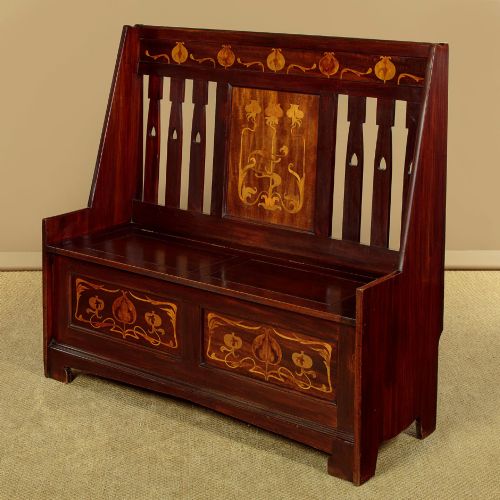
- A high-backed wooden bench with enclosed storage beneath the seat. These pieces often feature panelled backs and substantial armrests.
- Minton Tiles
- Decorative ceramic tiles produced by the Minton factory, frequently incorporated into nineteenth-century furniture backs. They introduce colourful pictorial or geometric elements to wooden frames.
- Glastonbury Chair
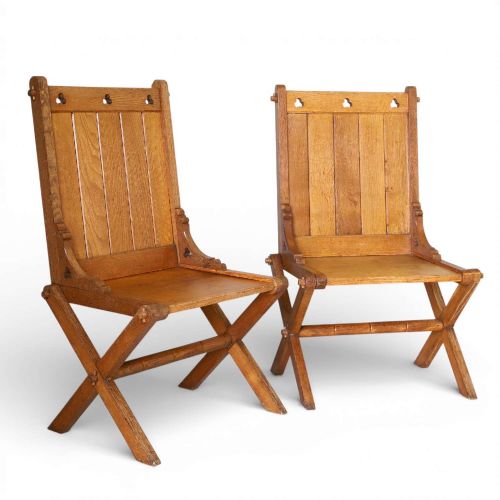
- A type of low wooden armchair with a cruciform folding frame and sloping arms. It gained popularity during the Gothic revival period.
- Rush Seat
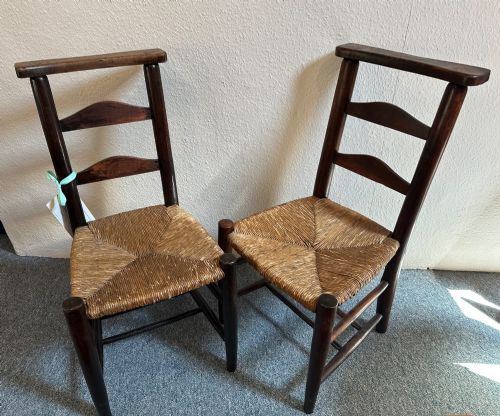
- A seating surface woven from dried marsh grasses. This traditional technique provides a durable and textured base for light chairs.
Arts Crafts Hall Chairs: Frequently Asked Questions
Where should I place a hall chair?
These chairs suit entrance halls, narrow corridors, or landings where their upright profiles make efficient use of limited floor space. They function well as occasional seating rather than for prolonged lounging.
Because of their sturdy timber construction, they withstand the practical demands of entryways while establishing a clear decorative tone near the front door.
Are these chairs comfortable for daily use?
Hall chairs were historically designed for brief seating while removing coats or waiting in a vestibule, featuring upright wooden backs rather than deep cushioning. Their ergonomics reflect this original utilitarian purpose.
Living with them involves appreciating their architectural presence and solid timber construction rather than expecting the softness of modern upholstered armchairs.
How do I care for antique oak furniture?
Maintain the timber by keeping pieces away from direct heat sources and sudden humidity changes that can cause wood to split. Regular dusting with a dry cloth preserves the finish.
Avoid commercial silicone polishes, choosing instead traditional beeswax applied sparingly to nourish the grain and protect the historical surface.
How can I tell the period of a hall chair?
Dating relies on examining the timber preparation, tool marks, and stylistic indicators such as Gothic Revival motifs or Art Nouveau curves. Victorian examples often display heavier carving, while Edwardian pieces can be lighter in proportion.
Maker marks, branded stamps, and associated retail labels also help pinpoint the exact era of production.