

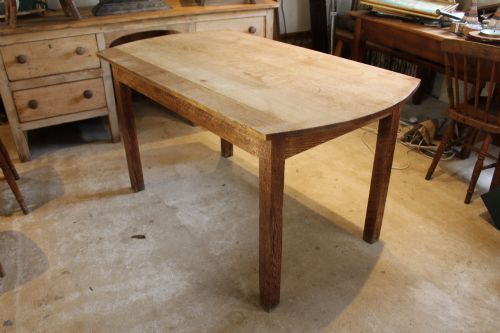
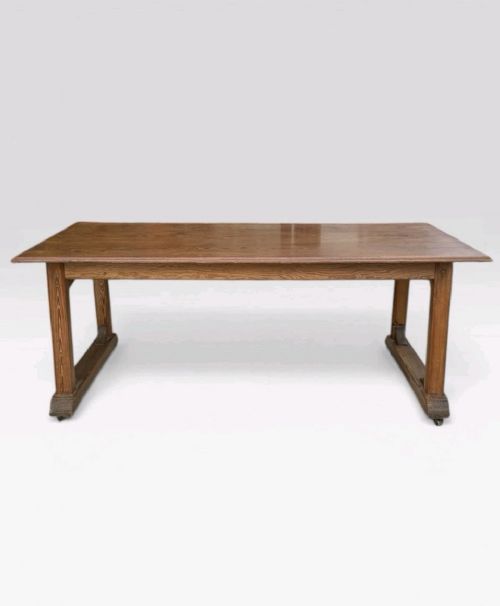
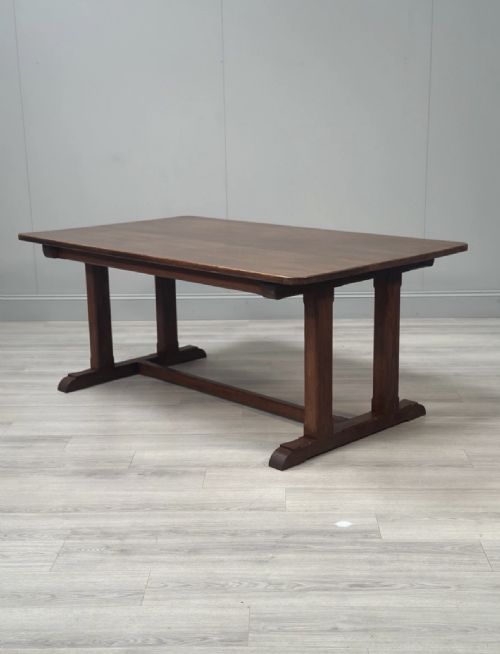
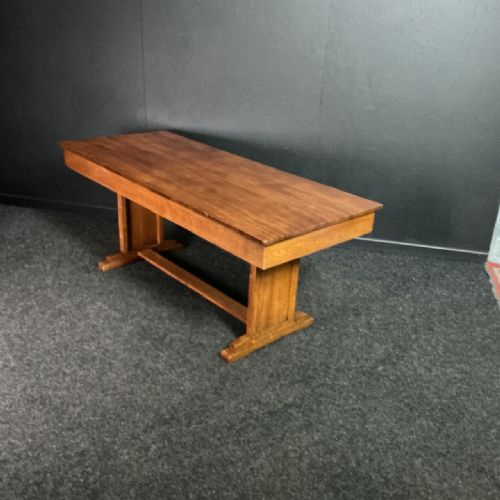
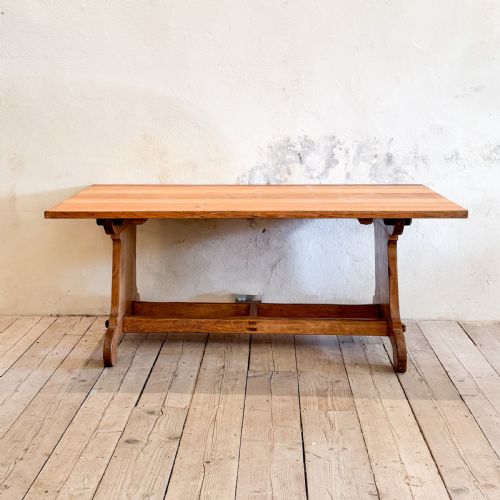


Arts and Crafts Oak Refectory Table
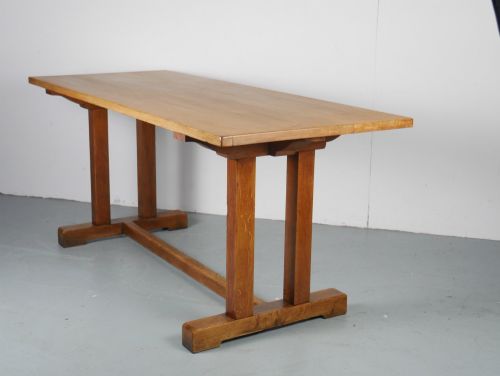
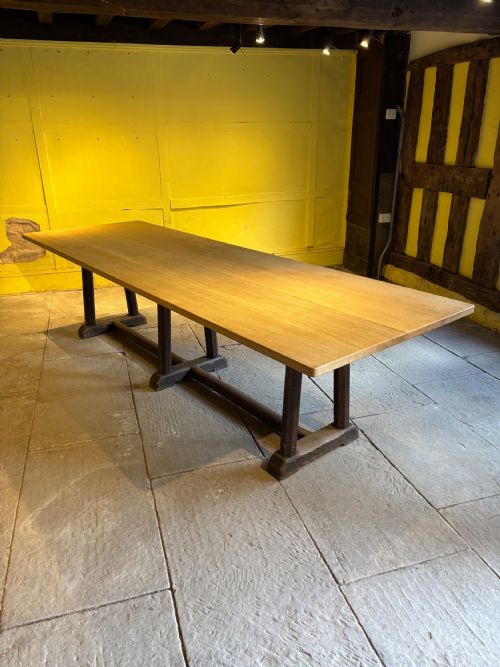
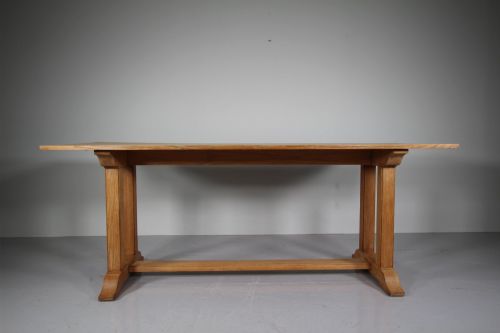
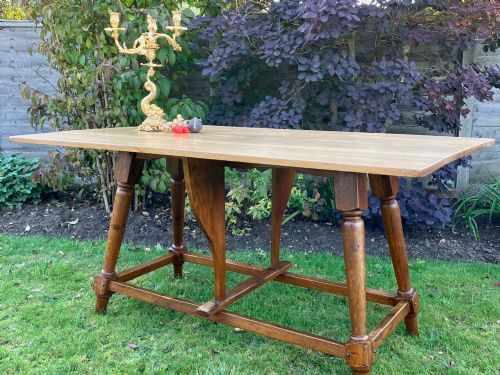
An arts and crafts oak refectory table brings honest construction and simple utility into a dining room or library.
Arts and Crafts Oak Refectory Table
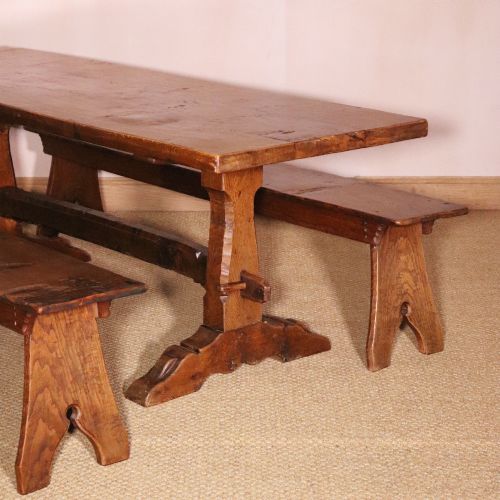
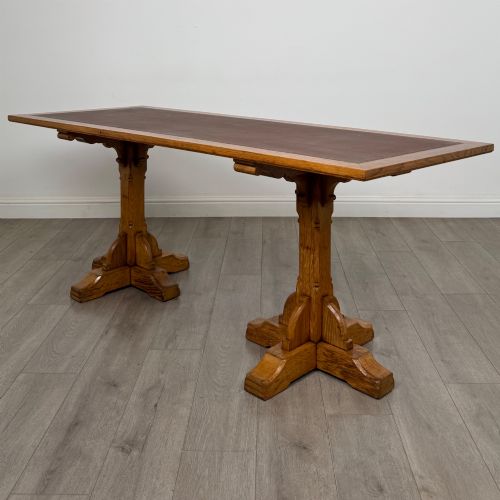
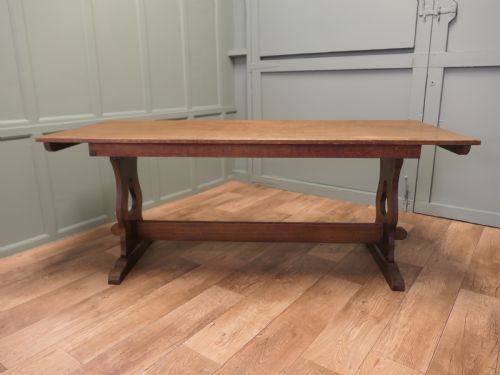
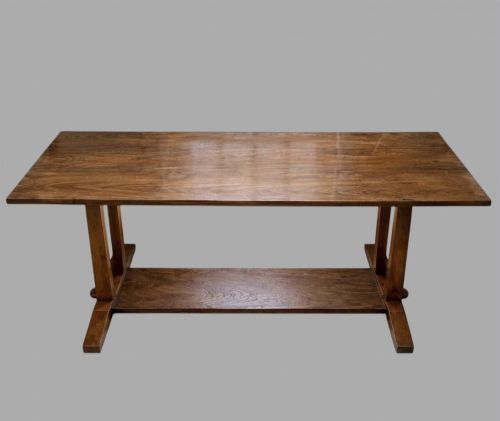
When you search for an arts and crafts oak refectory table, you encounter robust dining surfaces, library tables, and trestle designs rooted in the late nineteenth and early twentieth centuries. These pieces reflect a movement away from industrial mass production toward handcrafted integrity, often showing the influence of makers such as Heal's or designers like Sir Robert Lorimer. You are most likely to meet solid oak and quarter-sawn oak constructions dating from the Edwardian era through to the 1930s.
The forms range from long dining boards suitable for country kitchens to compact coffee tables and writing desks built in the refectory style. Regional workshops and school libraries contributed heavy timber tables that served communal purposes. Each item carries the functional aesthetic of the period, prioritising sturdy timber and straightforward joinery over surface ornament.
Assessing Quality and Character
The distinction between standard utility items and finer examples rests upon the selection of the timber and the subtlety of the hand-finishing. Tables utilising quarter-sawn oak display superior figuring and greater stability across wide boards.
Proportion and the restraint of the design separate workshop pieces associated with retailers like Heal's from more anonymous regional work. A balanced stretcher arrangement and thoughtful edge profiling elevate the presence of the furniture.
Arts and Crafts Oak Refectory Table Retail Price Guide 2026
Typical asking prices for arts and crafts oak refectory table among the pieces listed under this phrase on Sellingantiques today, from the lower quarter to the upper quarter. They describe what is for sale here now, not the wider market.
Several heavy tables carry the quiet dignity of historic public school libraries, where generations carved initials into the underside.
Heal and Son·Jack Grimble·Sir Robert Lorimer
The Arts and Crafts Oak Refectory Table Glossary
- Quarter-sawn oak
- Timber cut radially from the growth rings to produce distinct decorative ray flecks and enhanced dimensional stability. It was frequently selected by quality workshops for prominent table tops.
- Trestle table
- A table comprising two or more support frames connected by a horizontal beam or stretcher. This construction allows maximum legroom along the length of the board.
- Arts and Crafts
- A design movement spanning the late nineteenth and early twentieth centuries that championed traditional craftsmanship and simple forms. The style rejected excessive Victorian ornamentation in favour of honest materials.
- Solid oak
- Timber used in its natural state throughout the construction rather than applied as a decorative veneer over cheaper woods. This material ensures durability and a weighty presence in heavy tables.
Arts and Crafts Oak Refectory Table: Frequently Asked Questions
How do I care for an oak refectory table?
Maintain the surface by using soft cloths and avoiding excessive moisture or direct heat sources that can dry out old timber.
Periodic application of appropriate wax preserves the grain and protects the natural finish without sealing the wood beneath a modern synthetic coat.
Where were these tables used originally?
These large timber tables served in country houses, public school libraries, and domestic dining rooms for communal meals or study.
Their robust construction allowed them to withstand heavy daily use in both institutional and residential settings.
How do I identify a Heal's table?
Look for restrained proportions, golden quarter-sawn oak, and honest trestle or refectory construction characteristic of early twentieth-century London workshops.
Documented pieces often reflect the simplified modernist aesthetic championed by the firm during the interwar years.
What is the difference between refectory and dining tables?
A refectory table specifically uses longitudinal stretchers connecting heavy end trestles or legs to support a long, narrow top.
While all refectory tables function as dining tables, standard dining tables may employ four corner legs rather than trestle supports.