
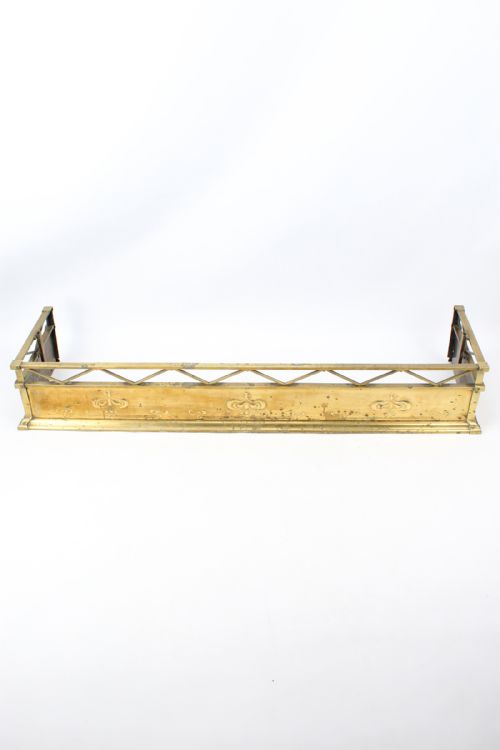


Arts and Crafts Fire Surround
An arts and crafts fire surround brings honest metalwork and timber into a room, offering both warmth and character.
Arts and Crafts Fire Surround
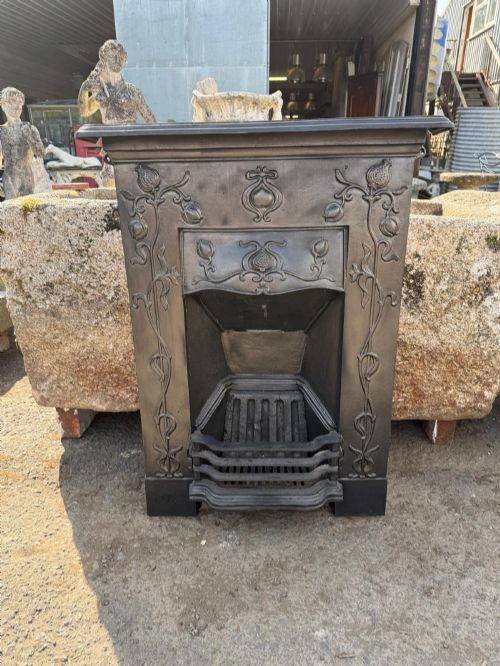
When you search for an arts and crafts fire surround, you encounter a distinct group of hearth furniture and architectural fixtures spanning the Victorian, Edwardian, and later periods. These domestic pieces include fireplace surrounds, chimney pieces, and hearth accessories designed to anchor a room with functional utility.
The selections on this page draw heavily from the late nineteenth and early twentieth centuries, encompassing styles such as Arts and Crafts, Art Nouveau, and Victorian designs. Oak and mahogany timbers appear alongside robust cast iron and polished copper structures.
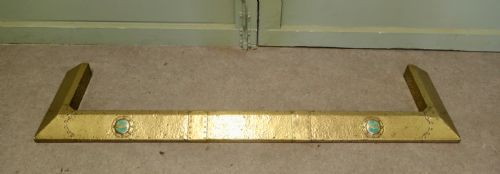
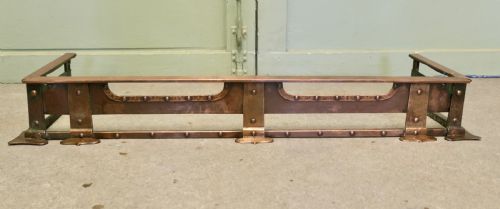
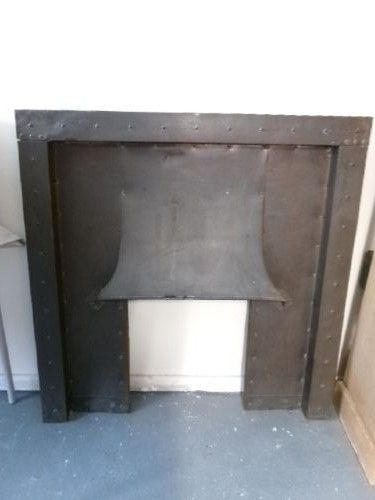
Fenders and kerbs dominate the forms, frequently accompanied by hood canopies and fire inserts. Buyers find both robust club fenders and delicate brass kerbs suited to period interiors.
How they were made
Metal components rely on traditional foundry and hand-working techniques, utilising cast iron for structural hearth inserts and heavy firebacks. Copper and brass sheet metals take on decorative roles through riveting, beating, and embossing.
Timber surrounds and club fenders employ solid woods such as oak and mahogany, often featuring carved details or adjustable leather seats. Enamel cabochons occasionally provide colourful focal points within the metalwork.
Makers integrated structural durability with tactile surface treatments, leaving visible hammer marks on beaten copper hoods and fenders to celebrate manual labour.
What varies in quality
The standard of metalwork dictates the upper tier of these pieces, distinguishing hand-beaten copper panels and heavy riveted joints from simpler stamped sheet metal. Gauge thickness in brass and copper components determines longevity.
Timber selection and joinery define the finer wooden surrounds and club fenders, where seasoned oak and mahogany display crisp carving rather than soft or repetitive machine moulding. Original surface patination holds greater value than stripped or heavily refinished metal.
Integrity of design, such as the balanced inclusion of enamel cabochons or integrated hoods, separates standard hearth furniture from exceptional examples of the movement.
Sir Edwin Lutyens
The Arts and Crafts Fire Surround Glossary
- Fender
- A low metal or wooden guard placed around the hearth to keep stray embers on the fire pit. These items often double as seating in club variations.
- Club fender
- A specialised fender featuring upholstered corner seats, popular in Edwardian libraries and drawing rooms. They offer a comfortable vantage point close to the fire.
- Cabochon
- A polished, convex gemstone or enamel inset without facets, frequently used to accent brass and copper metalwork. They add a splash of colour to the surround.
- Chimneypiece
- An elaborate architectural frame surrounding a fireplace, combining the mantel shelf and jambs. Sir Edwin Lutyens designed notable examples of these grand structures.
- Embossing
- A metalworking technique where a design is raised from the reverse side using hammers and punches. This creates tactile relief patterns on copper fire fronts.
Arts and Crafts Fire Surround: Frequently Asked Questions
How do I clean a copper fire fender?
Copper fenders benefit from gentle dusting and occasional cleaning with appropriate metal care products to maintain their finish. Avoid abrasive pads that can remove the historical patination built up over decades.
Preserving the original surface texture keeps the handmade character of the beaten metal intact for future generations to appreciate.
Will a club fender fit my fireplace?
Club fenders often feature adjustable frames, allowing them to adapt to various hearth dimensions within domestic settings. Measuring the exact hearth width and projection ensures a proper fit before purchase.
These pieces provide low seating around the fire, making spatial planning around the hearth essential for daily comfort.
How do I tell Victorian from Edwardian pieces?
Victorian pieces tend to feature heavier cast iron components, ornate decoration, and robust proportions. Edwardian designs frequently lean towards lighter brass and copperwork with simpler, flowing Art Nouveau influences.
Examining the construction methods and material combinations helps reveal the stylistic shifts between these overlapping nineteenth and twentieth-century eras.