
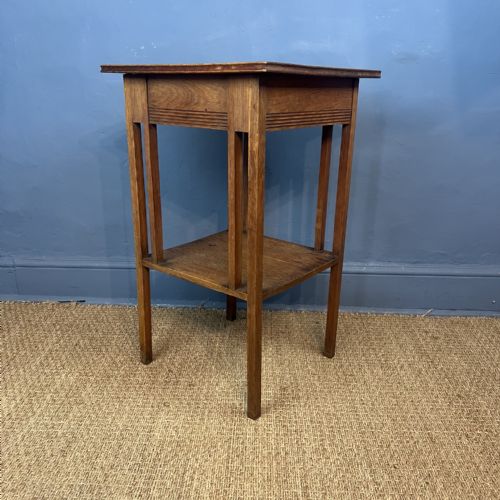
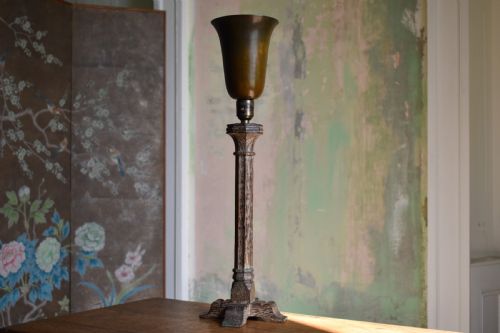


Arts and Crafts Bedside
These arts and crafts bedside pieces bring honest timber work and metal detail to the bedroom, selected for utility and simple design.
Arts and Crafts Bedside
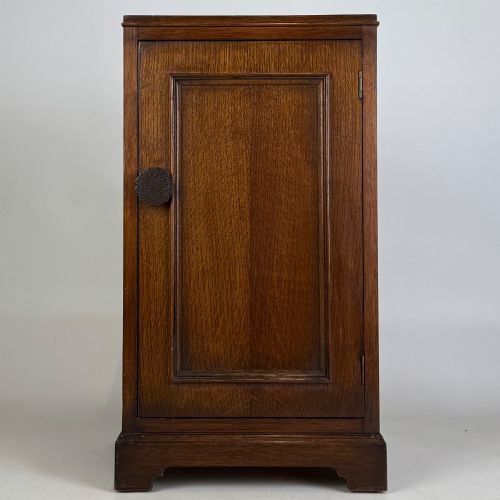
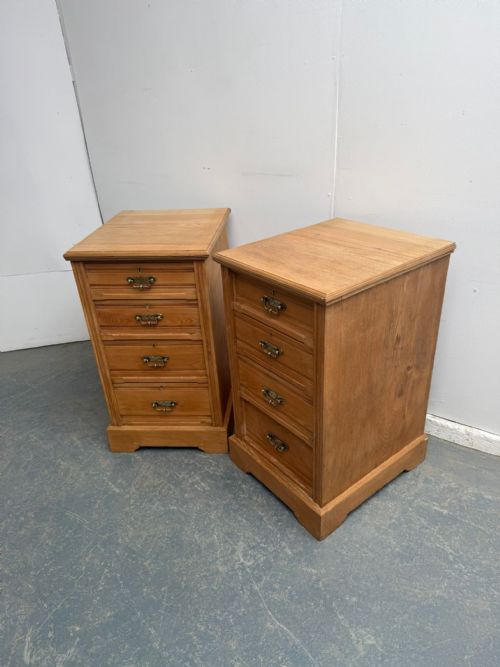
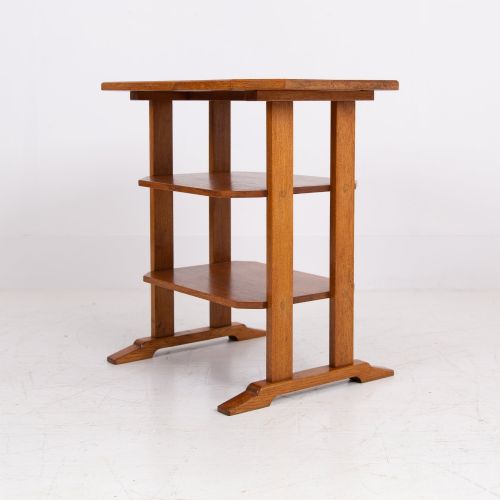
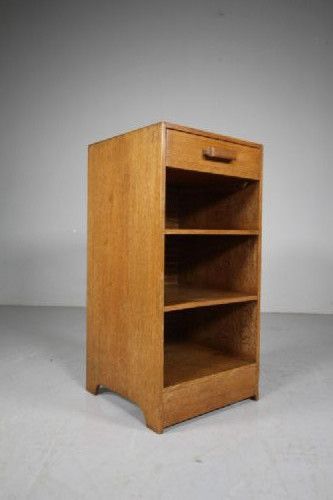
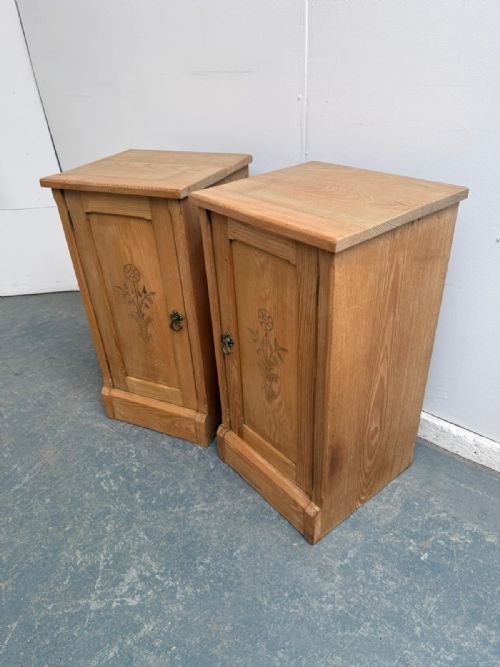
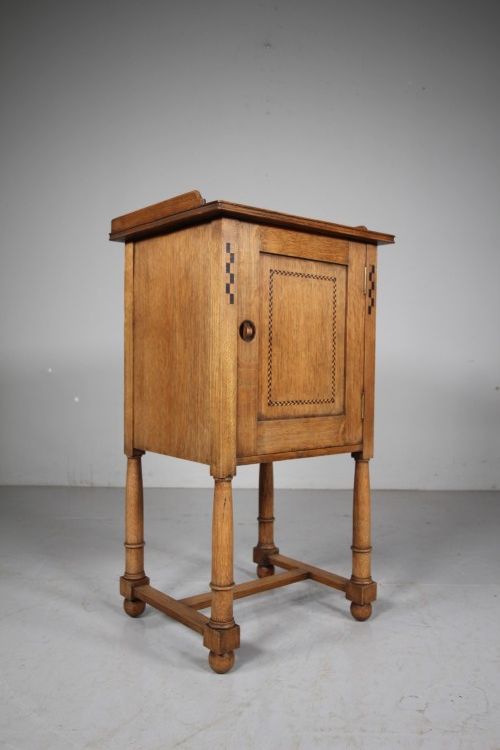
When buyers search for arts and crafts bedside pieces, they look at sturdy bedside cabinets, cupboards and side tables produced from the late nineteenth century into the interwar decades. The versions most often met on this page are compact oak and ash cupboards, frequently found as matching pairs or single pot cupboards.
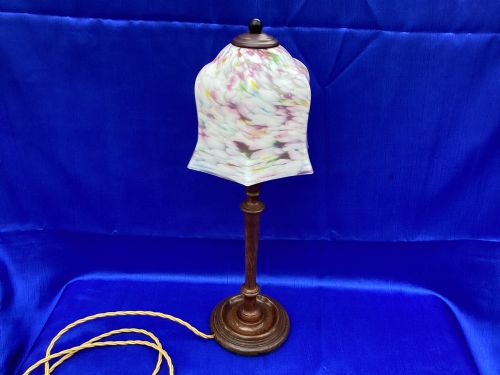
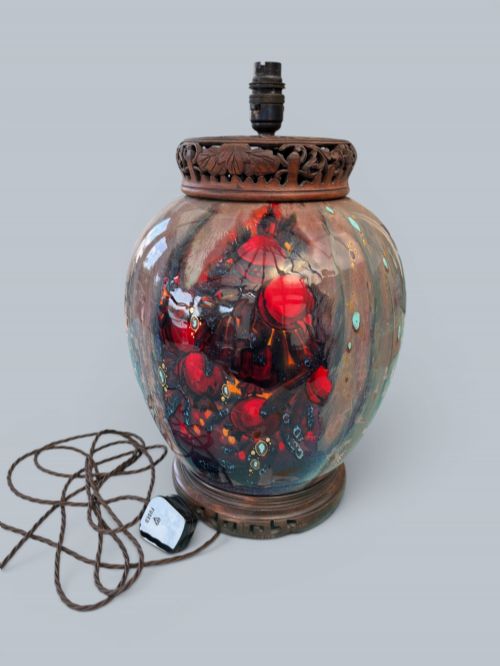
The forms originate across Britain and occasionally the continent, spanning Edwardian workshops, Cotswold school makers and firms like Heal's. Alongside timber cabinets, the selection includes related table lamps in beaten copper and brass, plus occasional marble top and tile top designs.
How they were made
Construction relies heavily on solid oak and ash, frequently waxed, limed or finished to show the natural grain of the wood rather than heavy polish. Mahogany, maple and pitch pine also appear in specific regional or maker pieces.
Metalwork forms an integral part of the aesthetic, utilising beaten copper, brass and silver plate for hinges, handles and associated lighting fixtures. Decorative elements often incorporate fretwork, tile inserts and carved panel details executed by hand.
Listings feature oak, ash, mahogany and maple, combined with brass, copper and glass across a timeline spanning 1890 to 1930.
What varies in quality
The distinction between standard commercial production and superior workshop output lies in the handling of materials and joinery. Finer pieces display thoughtful timber selection, such as figured oak or matched ash grain, alongside hand-hammered metal hardware rather than stamped substitutes.
Makers known for progressive design or specific regional schools achieve higher standing through restrained proportions and integrated structural details. The presence of documented workshop attribution or original hardware elevates an example above generic period items.
WAS Benson·Shapland and Petter·Henry Barker·Maple and Co·Gordon Russell
The Arts and Crafts Bedside Glossary
- Pot cupboard
- A small bedside cabinet originally designed to house a chamber pot behind a single door. These units form the core of early bedside seating arrangements.
- Fretwork
- Openwork ornamentation cut into wood panels using a fine saw. This technique adds light pattern to cabinet doors and side aprons.
- Limed oak
- Timber treated with a specialised white pigment rubbed into the grain to lighten the tone. The process highlights the open pores of the wood.
Arts and Crafts Bedside: Frequently Asked Questions
What defines an arts and crafts bedside cabinet?
These cabinets display straightforward construction, solid timber like oak or ash, and minimal applied ornament that lets the material speak.
Hardware is often hand-worked copper or brass, grounding the form in utilitarian honesty.
Are pairs difficult to find?
Matching pairs appear regularly in both oak and ash, though single pot cupboards are equally common for smaller spaces.
Archive records show strong demand for paired bedroom pieces from the Edwardian period.
How do I care for waxed oak?
Apply a natural beeswax periodically using a soft cloth, buffing gently along the grain to maintain the protective finish.
Avoid placing timber surfaces near direct heat sources to prevent movement in the joints.
What is the difference between Edwardian and 1930s pieces?
Edwardian examples tend to feature carved details, tile tops or raised panel doors reflecting traditional craftsmanship roots.
Later interwar pieces from makers like Heal's lean toward plain surfaces, limed finishes and modernist restraint.