




Artists Palette
These artists palette pieces bridge studio practice and decorative art, offering a tangible connection to creative history through wood, canvas, and silver.
Artists Palette
When buyers search for artists palette items, they encounter a diverse selection of paintings, boxes, and decorative objects spanning multiple centuries. The evidence shows these pieces range from early self-portraits and fine art oils to mahogany paintboxes and unusual silver or ceramic items shaped like palettes.
Most pieces date from the eighteenth and nineteenth centuries, alongside early twentieth-century examples and modernist works. Collectors find everything from utilitarian artist boxes fitted with ceramic mixing surfaces to decorative silver dishes and mantel clocks formed in the distinctive silhouette.
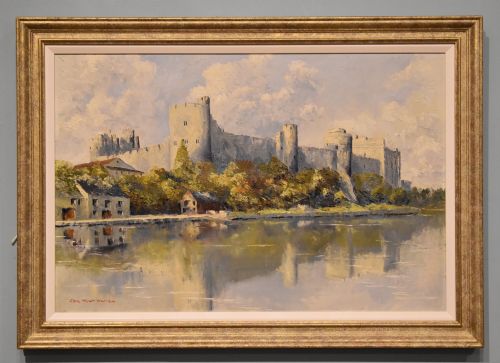
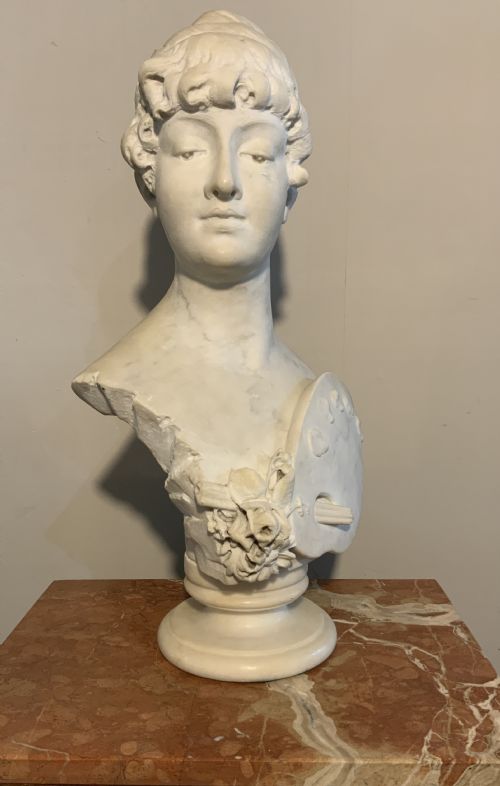
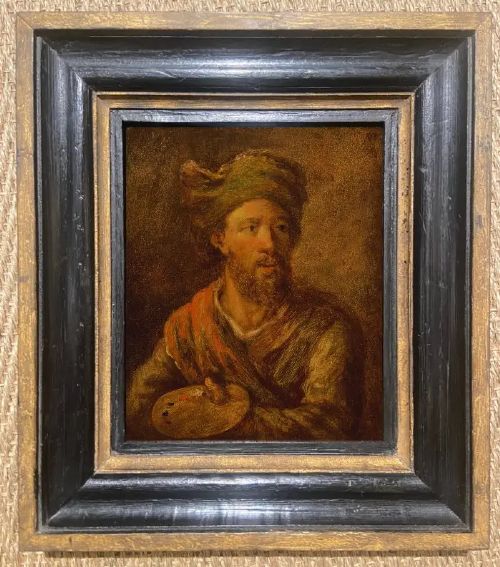
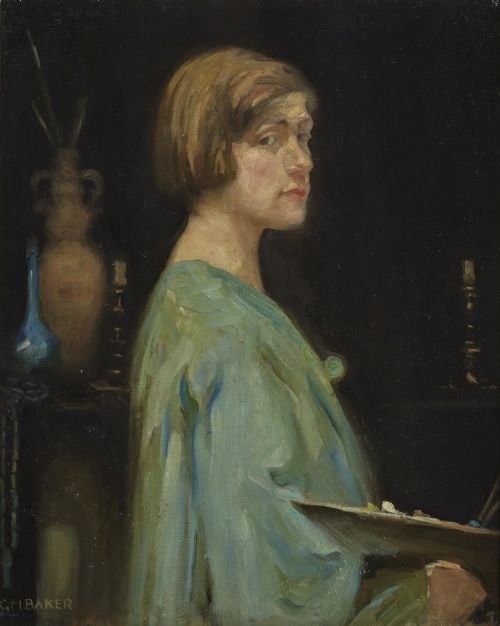
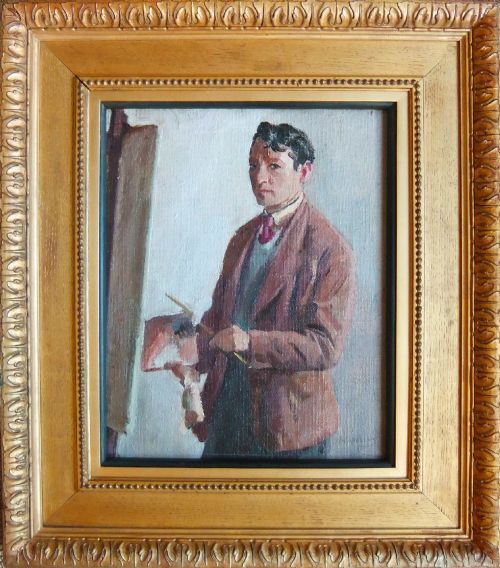
Portraits within the selection frequently depict painters holding their tools, while other works utilise the palette shape itself as a canvas for oil painting. This crossover between the instruments of creation and the resulting artwork defines the category.
Materials and construction
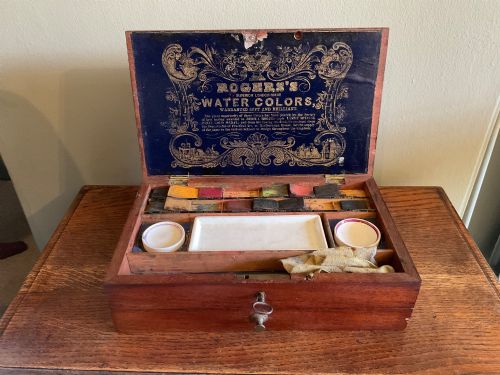
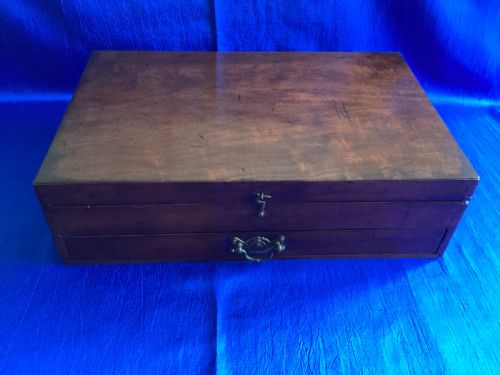
Timber selection dictated the construction of paintboxes and easels, with mahogany and teak providing durable surfaces for studio and field use. Brass hardware, ceramic mixing wells, and paper labels completed the interiors of these portable working chests.
Fine art components rely on oil paint applied to canvas or wood panels, sometimes housed within period frames. Metalwork items utilise solid silver, brass, and gold, shaped through casting and silversmithing techniques to mimic the curved thumb-hole board.
Artists Palette Retail Price Guide 2026
Typical asking prices for artists palette among the pieces listed under this phrase on Sellingantiques today, from the lower quarter to the upper quarter. They describe what is for sale here now, not the wider market.
Listings feature wood, oil paint, canvas, mahogany, brass, ceramic, and paper across periods from the seventeenth century to the mid-twentieth century.
Judging quality and execution
Superior examples demonstrate refined craftsmanship in their physical joinery, whether in the dovetailing of a mahogany paintbox or the detailed casting of a silver dish. Maker attribution elevates a piece, particularly when associated with recorded workshops or known portraitists.
Condition and completeness play a central role, distinguishing heavily worn studio tools from well-preserved collector specimens. The fidelity of the artwork and the integrity of original fittings determine the standing of each item within its period.
George Blackman·Harry Atkin·Jean Hippolyte Marchand·Philip Naviasky·John Raphael Smith
The Artists Palette Glossary
- Artist box
- A fitted wooden chest designed to hold pigments, brushes, and mixing boards for portable painting. These containers often feature compartments lined with paper or ceramic elements.
- Oil on canvas
- A traditional painting technique utilising pigments suspended in drying oils applied to stretched woven fabric. This medium dominates the historical portraits and fine art works in the collection.
- Georgian
- A stylistic period spanning the eighteenth and early nineteenth centuries, associated with classical proportions and fine mahogany furniture making. Pieces from this era show traditional joinery and restrained ornamentation.
- Victorian
- The period of the nineteenth century defined by industrial expansion and diverse decorative revivals. Items from this time include ornate silver dishes and fitted watercolour boxes.
- Spelter
- A zinc alloy used as a substitute for bronze in decorative figural statuary. It takes patination well to simulate heavier metals.
Artists Palette: Frequently Asked Questions
What periods do these pieces cover?
The collection spans multiple centuries, with items originating from the seventeenth, eighteenth, and nineteenth centuries. Later examples extend into the Edwardian era and the twentieth century.
This broad chronological range reflects both working studio equipment and decorative items inspired by the motif over hundreds of years.
How were antique artist boxes used?
Painters utilised these fitted wooden chests to transport pigments, brushes, and mixing surfaces to outdoor locations or clients' homes. They kept materials organised and protected during travel.
Inside, compartments held ceramic tiles, glass slabs, and paper items necessary for preparing paints before application.
Are all items actual painting palettes?
Only a portion of the items consist of the traditional wooden boards held while painting. Many listings feature oil paintings, portraits of painters, and decorative objects shaped like palettes.
These decorative interpretations include silver dishes, porcelain clocks, and jewellery items fashioned into the distinctive curved silhouette.
What materials are most common?
Wood is prevalent, particularly mahogany and teak used in paintboxes and easels. Canvas, oil paint, and brass hardware also appear frequently across the selection.
Precious metals and ceramics represent the decorative and jewellery items found in the archive.
How do I identify a Georgian box?
Georgian wooden boxes typically display period-appropriate construction methods, such as hand-cut dovetails and traditional brass hinges. The timber grain and patination reflect eighteenth-century cabinet making.
Documentation or maker labels inside can further confirm the era and workshop origin.