



Art Nouveau Door
An art nouveau door brings organic lines and floral motifs to an interior, and these pieces range from hardware to full structural elements.
Art Nouveau Door
When you search for an art nouveau door, you encounter a variety of forms including architectural elements, furniture panels, and hardware that reflect the aesthetic of the period. The selection includes items spanning the Victorian, Edwardian, and early twentieth-century eras, showing how the style influenced both structural joinery and decorative accessories.
You are most likely to meet smaller architectural hardware, stained glass windows, and larger storage pieces like wardrobes and cupboards that incorporate stylistic elements of the movement. Materials range from solid woods such as mahogany, walnut, and pine to architectural metals like brass, bronze, and cast iron.
The objects bridge the gap between functional domestic fixtures and decorative art, demonstrating how period craftsmen applied sinuous floral and organic motifs to everyday items. Whether through glazed panels or metal handles, these pieces maintain the characteristic fluidity of the design philosophy.
Factors that distinguish quality
The refinement of the casting in metal hardware determines the crispness of the organic detail, where superior examples exhibit clean lines and well-finished surfaces. In stained and leaded glass, the complexity of the design and the integration of the leading separate standard production from finer craftsmanship.
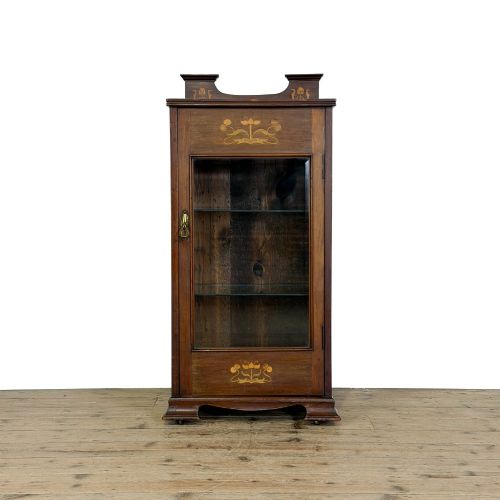
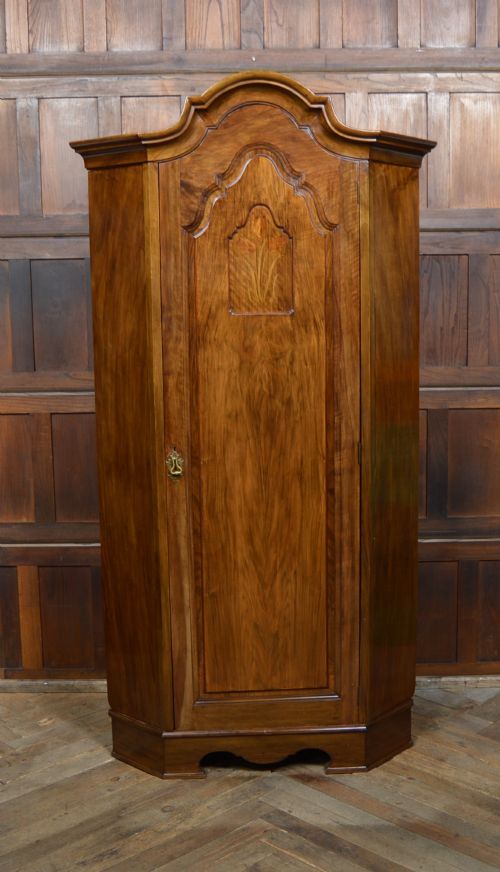
Timber selection and the execution of inlaid details govern the standard of larger storage pieces and furniture, with straight-grained walnut and figured mahogany representing higher-grade work. The retention of original hardware, glass panes, and surface finishes also dictates the integrity of the piece.
Art Nouveau Door Retail Price Guide 2026
Typical asking prices for art nouveau door among the pieces listed under this phrase on Sellingantiques today, from the lower quarter to the upper quarter. They describe what is for sale here now, not the wider market.
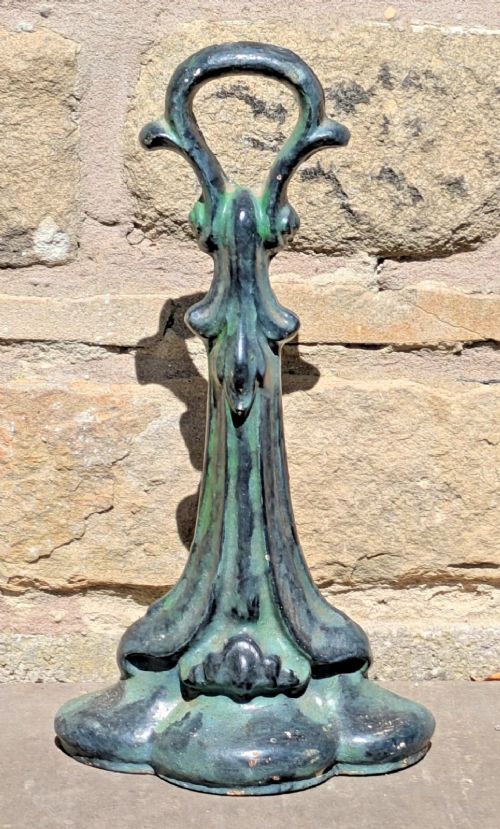
A cast iron doorstop stands ready to hold firm against the draft while looking like a small sculpture from the conservatory floor.
The Art Nouveau Door Glossary
- Art Nouveau
- A style of decorative art characterised by intricate flowing patterns of asymmetrical lines inspired by natural forms. It dominated European design around the turn of the twentieth century.
- Leaded Glass
- Pieces of glass joined together by narrow strips of lead to form a window or panel. This technique allowed for colourful and decorative domestic glazing.
- Cast Iron
- A hard, relatively brittle alloy of iron and carbon that can be readily cast in a mould. It served widely for durable doorstops and heavy hardware.
- Inlaid
- Decorated by embedding pieces of contrasting wood, metal, or other materials into a surface to form a design. This technique enhanced the visual appeal of cabinets and wardrobes.
- Wardrobe
- A tall piece of cupboard-like furniture used for hanging clothes. Period examples often incorporate mirrors and decorative wooden panels.
Art Nouveau Door: Frequently Asked Questions
What defines an art nouveau door?
An art nouveau door incorporates organic, flowing lines, floral motifs, and stylised natural forms into its design or hardware. These elements distinguish it from the stricter geometric styles of earlier Victorian joinery.
Such pieces often feature curved panels, custom brass handles, or decorative glazed windows that capture the aesthetic movement of the turn of the twentieth century.
How do I install antique hardware?
Installing period door locks, handles, or bell pushes requires careful measurement to match existing mortises and screw placements. Older mechanisms may need minor adjustments to function smoothly with modern door thicknesses.
Professional fitting ensures that brass and bronze components remain secure without putting undue stress on historical screw threads or timber surrounds.
How should I clean stained glass?
Stained and leaded glass panels require gentle cleaning with a soft cloth and mild, non-abrasive soap solution. Avoid harsh chemical cleaners that can damage the lead cording or painted surface details.
Support the glass properly during cleaning, as older lead work can flex and weaken over decades of use.
Are these pieces purely decorative?
While many items possess strong artistic value, the majority served functional roles in domestic interiors. Door handles, locks, signs, and storage cupboards were built for daily utility.
Living with these pieces involves balancing their historical character with practical everyday application in a modern home.