
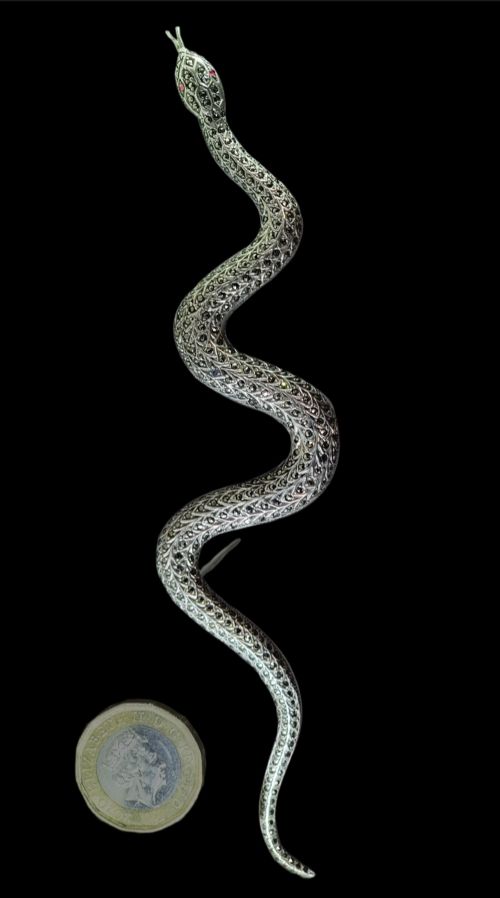


Art Deco Silver Pin
When you handle an art deco silver pin, you hold the sharp geometry and bright colour of a confident era.
Art Deco Silver Pin
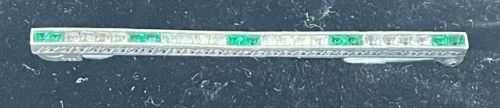
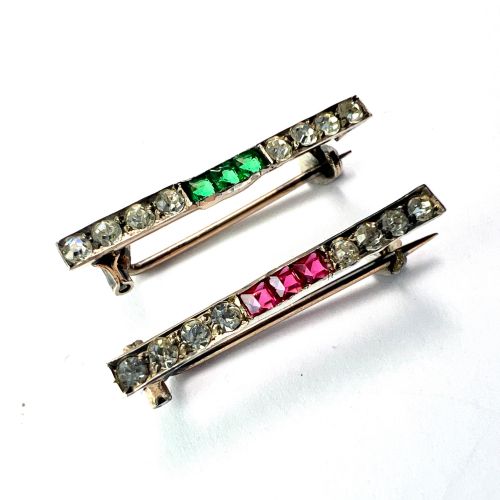
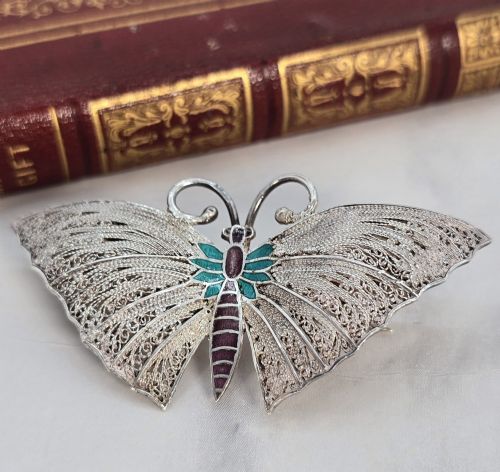
An art deco silver pin spans small personal ornaments designed to fasten garments, secure hats, or adorn lapels during the early decades of the twentieth century. These items take the form of bar brooches, hat pins, and figurative designs modelled as animals or insects.
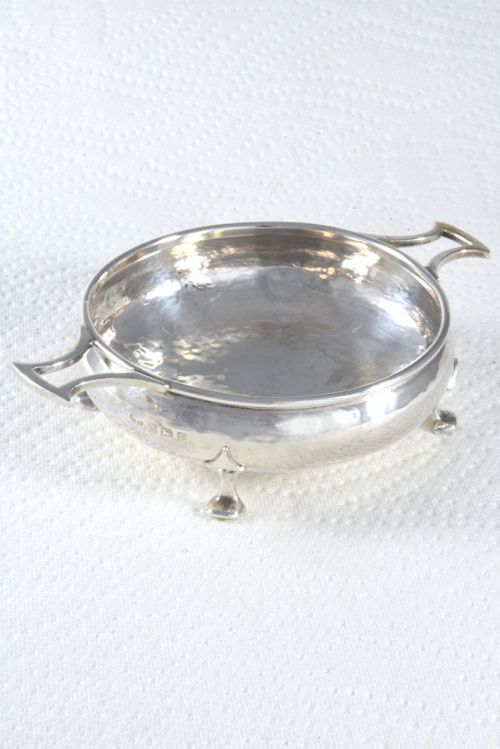
The selections encountered here reflect the distinct stylistic impulses of the interwar years, merging traditional silversmithing with modern geometric principles. While larger tableware and compacts appear in the broader heritage of the period, the focus here remains firmly on wearable metalwork.
How they were made
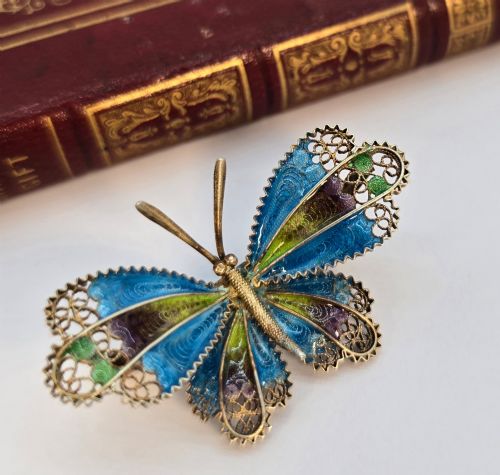
Maker workshops utilised sterling and solid silver alongside platinum settings to mount brilliant cut diamonds, coloured paste stones, and natural rubies. Metal was pierced, filigreed, and cast into structured linear shapes typical of the period.
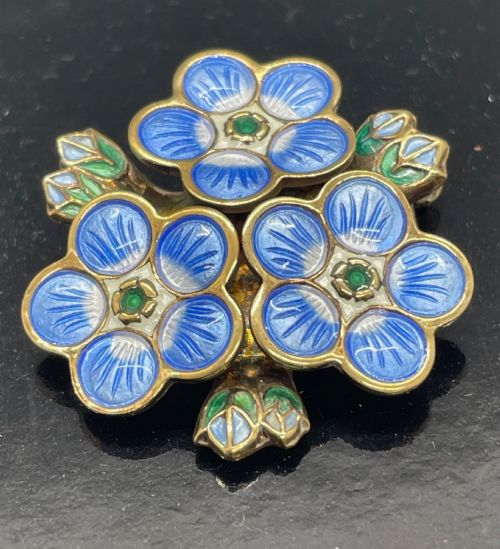
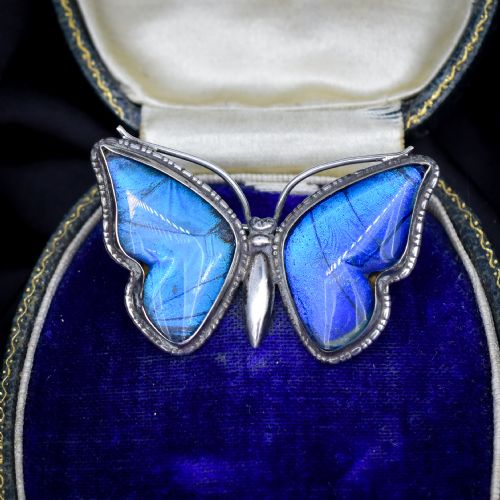
Vibrant surfaces were achieved by applying translucent enamel over engine turned guilloche grounds, or by setting iridescent butterfly wings beneath protective glass domes. Skilled artisans also incorporated marcasite crystals to catch the light alongside faceted glass elements.
Object forms span bar brooches, hat pins, tie pins, pendants, and figural animal designs representing lizards, pheasants, and snakes.
What varies in quality
The distinction between ordinary production and finer examples rests on the crispness of the metalwork and the precision of the stone setting. Heavier platinum mountings and substantial diamond carats separate high end jewellery from lighter sterling and paste pieces.
The integrity of applied enamel and the delicacy of wire filigree also dictate worth, as fragile glass and vitreous surfaces demand exceptional dexterity from the maker. Pieces bearing named workshop stamps or specific regional marks often demonstrate superior assembly.
Charles Horner·John Grinsell And Sons·Mappin And Webb·James Dixon·Jakob Bengel·Crisford And Norris
The Art Deco Silver Pin Glossary
- Guilloche enamel
- A decorative technique where translucent enamel is layered over mechanically engraved metal. This process creates repetitive geometric patterns that show through the glossy coloured surface.
- Marcasite
- Small faceted pyrite stones polished and set closely together to resemble sparkling steel or old cut diamonds. It provides dark metallic brilliance in interwar jewellery.
- Paste
- Hand cut lead glass used as a substitute for precious gemstones. It offers high refractive brilliance and vibrant colour in period accessories.
- Filigree
- Delicate openwork created by twisting and soldering fine silver threads into intricate lace like patterns. It requires immense patience from the metalsmith.
Art Deco Silver Pin: Frequently Asked Questions
How do I wear a hat pin safely?
These long pins secure through heavy felt or straw hats using a protective metal cap at the sharp end. Ensure the point is safely guarded before placing the hat upon your head.
Modern hat pins can also double as decorative lapel ornaments when shorter lengths are required. Pair them with tightly woven fabrics to prevent the metal shaft from slipping.
How should I clean antique enamel?
Vitreous enamel requires gentle care using a soft damp cloth without harsh chemical immersion. Submerging older pieces in liquid can compromise the underlying metal seams and foil backings.
Store your pins away from direct sunlight and other hard metals to prevent scratching the glossy surface. A dry microfiber cloth is usually sufficient for routine maintenance.
What defines the geometric style?
The aesthetic relies on clean straight lines, chevrons, and symmetrical arrangements that break away from floral Victorian curves. This look reflects the industrial machinery and architecture of the 1920s and 1930s.
Silver work from this time emphasises proportion and stark contrast between dark metals and bright stones. Even animal motifs are often rendered with stylised, angular contours.