






Art Deco Rosewood Table
An art deco rosewood table brings striking grain patterns and geometric elegance into a room, offering both function and architectural presence.
Art Deco Rosewood Table
When you search for an art deco rosewood table, you are looking at sophisticated furniture spanning the 1920 and 1930 periods. These pieces showcase the sleek, streamlined aesthetics characteristic of French Art Deco and the broader modernist movement.
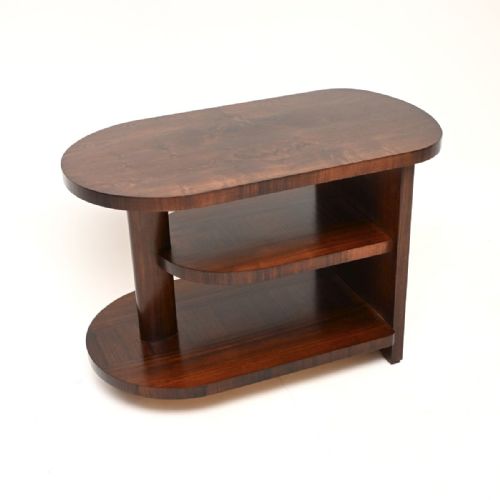
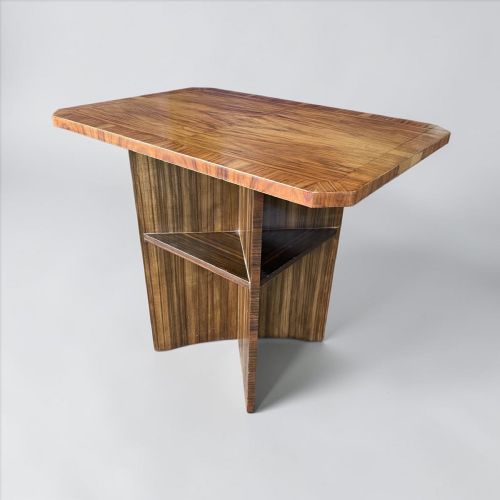
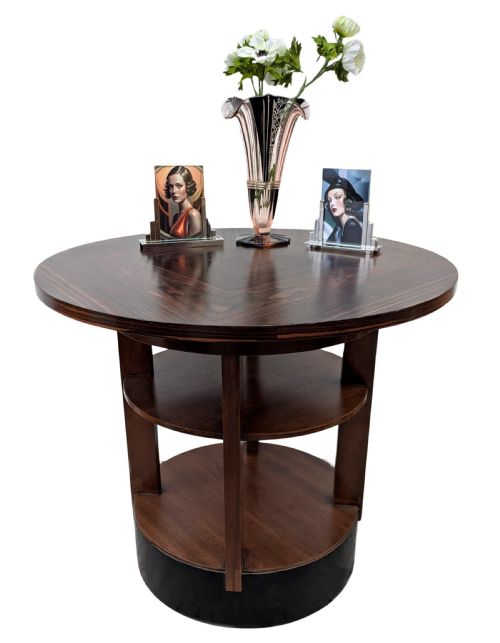
The most common forms you will meet on this page include compact side tables, coffee tables, nests of three tables, and occasional lamp tables. Larger examples also appear as writing desks and extending dining tables.
Origins represented in these designs range from standard occasional items to specific attributed pieces such as a desk attributed to Maurice Dufrene or a low table signed Majorelle. Alongside pure rosewood, pieces frequently incorporate contrasting elements like birds eye maple, oak, and walnut veneer.
Materials and Construction
Construction relies heavily on rich wood veneers applied to sturdy carcases of hardwood or oak. Rosewood provides the dominant dark, highly figured surface, often contrasted with lighter woods like birds eye maple or walnut veneer.
Metal components appear in specific designs, utilising brass and silvered glass to accentuate the geometric lines typical of the style. Inlay work and tiered structures further demonstrate the precise cabinet-making techniques of the period.
Art Deco Rosewood Table Retail Price Guide 2026
Typical asking prices for art deco rosewood table among the pieces listed under this phrase on Sellingantiques today, from the lower quarter to the upper quarter. They describe what is for sale here now, not the wider market.
Listings feature items from the 1920 and 1930 periods, incorporating rosewood, oak, brass, and silvered glass.
Assessing Quality and Design
Quality in these tables is determined by the selection and matching of the rosewood veneer grain across the surface. Finer examples display symmetrical grain patterns and harmonious combinations with contrasting timbers like birds eye maple.
Attribution and signature markings elevate certain pieces, distinguishing standard production items from those associated with master makers such as Majorelle or designers like Maurice Dufrene. The sophistication of auxiliary materials, including silvered glass tops and brass mounts, also separates standard items from the top of the range.
Maurice Dufrene·Majorelle
The Art Deco Rosewood Table Glossary
- Art Deco
- A design style of the 1920 and 1930 periods characterised by sleek geometric shapes, streamlined forms, and modern industrial influences. It departed heavily from the ornate curves of earlier Victorian and Edwardian furniture.
- Rosewood
- A dense, heavily figured timber prized for its dark grain and rich colouration. It serves as the primary surface material for many high-end modernist tables.
- Veneer
- A thin layer of superior wood adhered to a secondary wood base to create decorative patterns without wasting scarce materials. It allows cabinet makers to create symmetrical grain displays across tabletops.
- Nest of Tables
- A set of graduated tables designed to fit neatly beneath one another when not in use. They provide versatile surface space in smaller sitting rooms.
- Birds Eye Maple
- A figured wood variety featuring small, swirling knots that resemble tiny eyes. It provides a pale contrast against dark rosewood veneers.
Art Deco Rosewood Table: Frequently Asked Questions
How do I clean an art deco rosewood table?
Dust gently with a soft, dry cloth to protect the delicate veneer and polished finish. Avoid using harsh chemical sprays or excess moisture, which can damage the antique timber.
Maintain stable indoor humidity levels to prevent the rosewood and underlying hardwood from warping or splitting over time.
Can I use a rosewood coffee table every day?
Yes, these tables were built for functional daily use in domestic spaces. Using coasters and placemats helps protect the polished surface from heat and moisture rings.
Positioning the table away from direct sunlight preserves the rich natural colour and grain of the rosewood.
How do I date an art deco table?
Examine the construction methods, materials, and hardware used in the piece. Pieces from this genre typically date between the 1920 and 1930 periods, showing distinct modernist geometries.
Look for characteristic veneers like rosewood and birds eye maple combined with brass or silvered glass.
What rooms suit an art deco side table?
Side and lamp tables fit comfortably beside sofas in living rooms or as accent pieces in hallways. Their compact footprints make them versatile for adding surface space without crowding a room.
The striking grain of rosewood allows these tables to act as focal points in both modern and traditional interiors.