

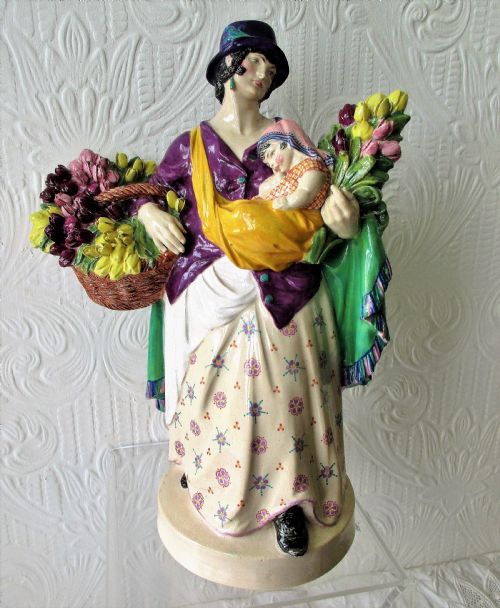


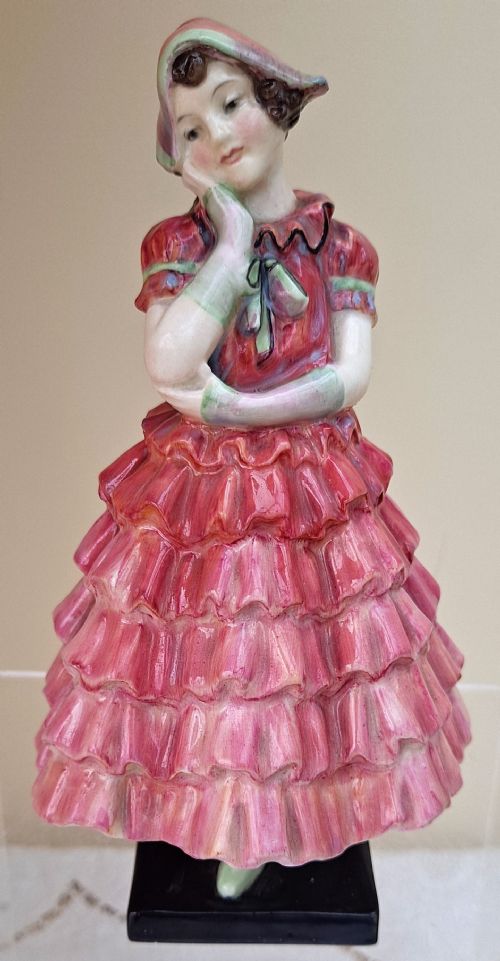

Art Deco Pottery Ornament
An art deco pottery ornament brings unmistakable modernist energy into a room through bold modelling and rich glaze.
Art Deco Pottery Ornament
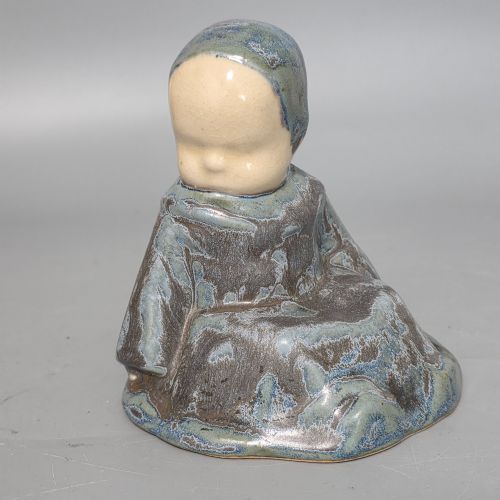
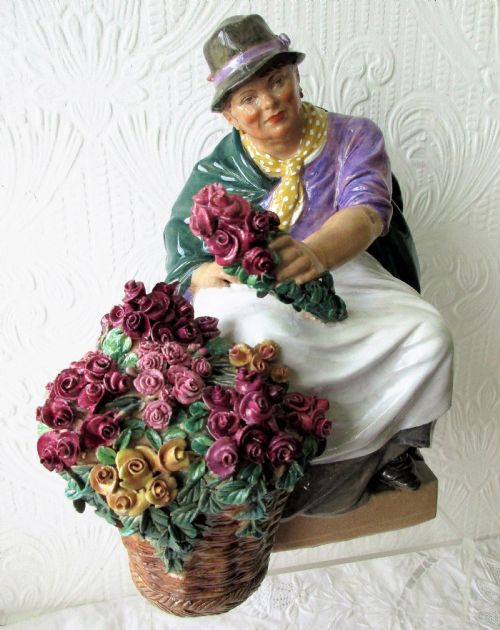
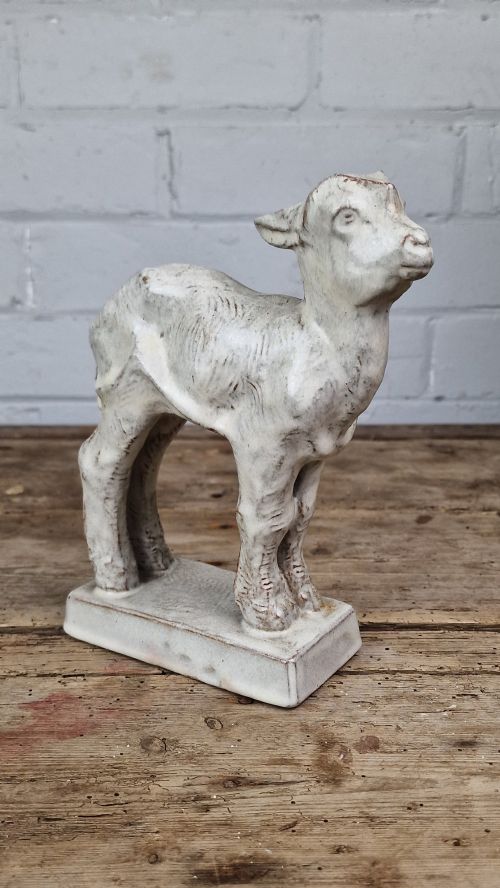
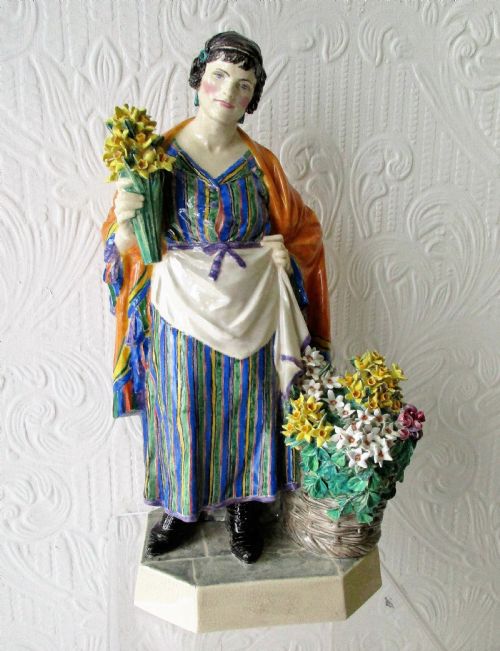
An art deco pottery ornament comprises figures, animals and decorative sculptures produced during the interwar decades. The selection on this page centres on items from nineteen twenty and nineteen thirty, capturing the aesthetic shifts of the period.
Buyers will encounter diverse forms ranging from human figurines and character studies to models of animals such as goats, cats, deer and pheasants. These objects reflect the decorative tastes of British and continental workshops during the height of the movement.
How they were made
Maker workshops shaped these works from earthenware, stoneware, terracotta and porcelain before applying specialised ceramic glazes. Some examples incorporate hand-painted details or gilded highlights to accentuate the moulded contours.
Specialised techniques enabled the inclusion of fitted elements, such as glass eyes set into animal figures. Kiln firing fixed the coloured glazes and metallic accents onto the ceramic body.
Art Deco Pottery Ornament Retail Price Guide 2026
Typical asking prices for art deco pottery ornament among the pieces listed under this phrase on Sellingantiques today, from the lower quarter to the upper quarter. They describe what is for sale here now, not the wider market.
One continental ceramic cat wears real glass eyes to watch the room.
What varies in quality
The application of glaze and surface colour plays a critical role in the overall impact. Richly layered finishes and precise hand-painted or gilded highlights demonstrate greater technical ambition from the maker.
Charles Vyse·Berthe Savigny·Clarice Cliff·Mabel Lucie Attwell Shelley·Le Manceau·Royal Doulton
The Art Deco Pottery Ornament Glossary
- Earthenware
- Porous pottery fired at lower temperatures, commonly used for traditional ceramic figures. It requires a glaze coating to hold liquids and provide a smooth surface.
- Stoneware
- A sturdy, vitrified ceramic fired at higher temperatures until non-porous. This material allows for durable decorative ornaments with dense bodies.
- Terracotta
- Unglazed or glazed fired clay possessing a warm reddish-brown hue. It forms the foundation for many sculptural animal models from the period.
- Porcelain
- A fine, hard ceramic fired at high heat to achieve a white, translucent finish. It provides a refined surface for delicate figurine work.
- Glaze
- A glassy coating fused to the ceramic body through kiln firing. It seals the material and adds colour, shine or texture to the ornament.
Art Deco Pottery Ornament: Frequently Asked Questions
How do I date them?
Dating relies on stylistic markers from the nineteen twenties and nineteen thirty periods. Studio marks and known active years of specific makers also help confirm the era.
Many pieces reflect the distinct aesthetic trends of the interwar decades.
Where were they made?
The pieces originate from various European ceramic centres, including English studios and continental potteries. Different regions developed distinct approaches to modelling and glazing.
French, German and British workshops all contributed to this decorative tradition.
How should I display them?
Position these ornaments on stable surfaces where their forms and glazes catch the light. Ensure they sit safely away from busy edges to protect the ceramic body.
Grouping figures together can highlight shared stylistic traits from the period.