




Art Deco Paste Jewellery
Art deco paste jewellery brings brilliant sparkle and geometric design, offering vibrant glass stones set in silver and gold.
Art Deco Paste Jewellery
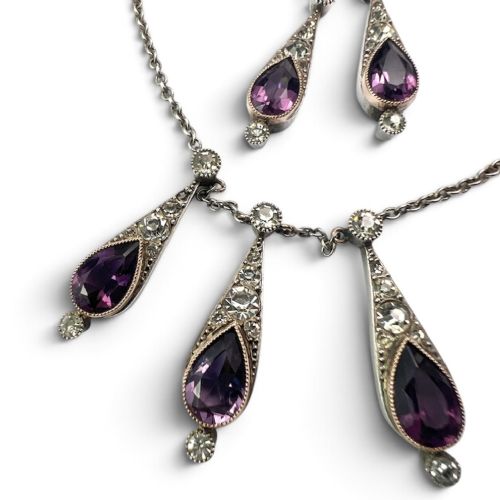
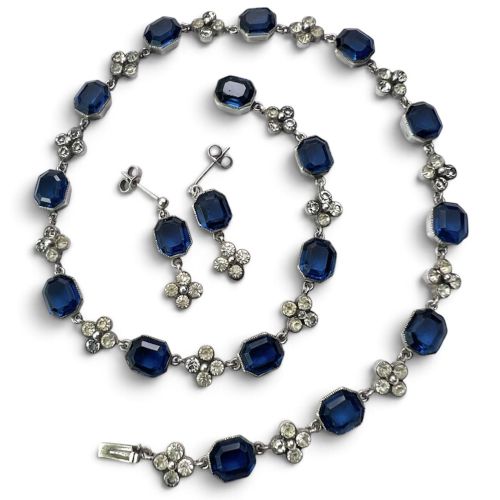
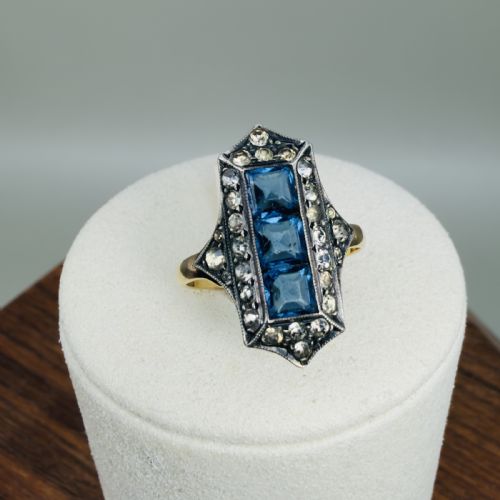
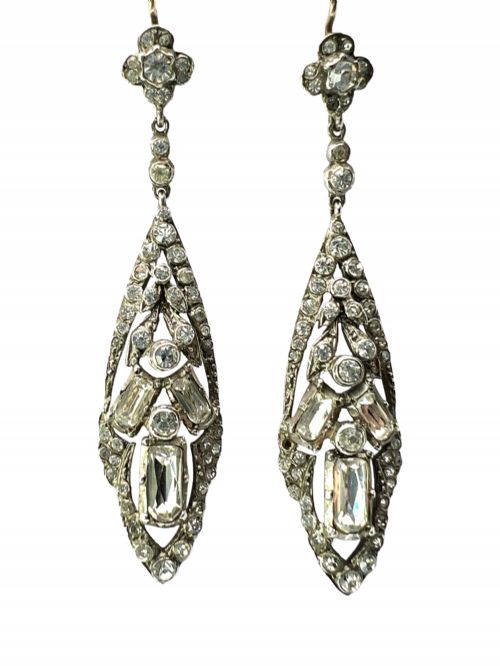
Art deco paste jewellery encompasses decorative wearable pieces ornamented with faceted glass stones designed to imitate fine gemstones. These items emerge primarily from the 1920 and 1930 periods, showcasing the distinct geometric and stylised motifs characteristic of the era. Buyers seeking this phrase encounter a rich variety of forms including earrings, rings, bangles, brooches, and matched necklace sets.
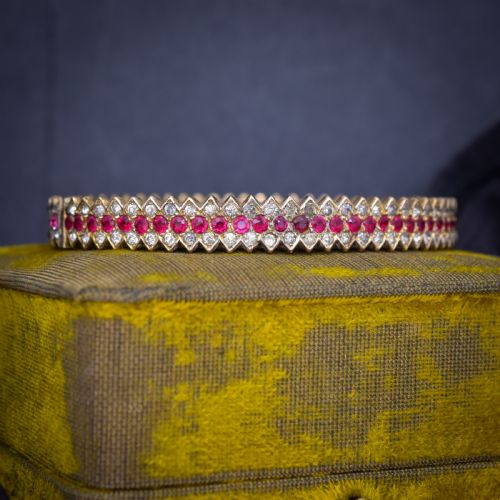
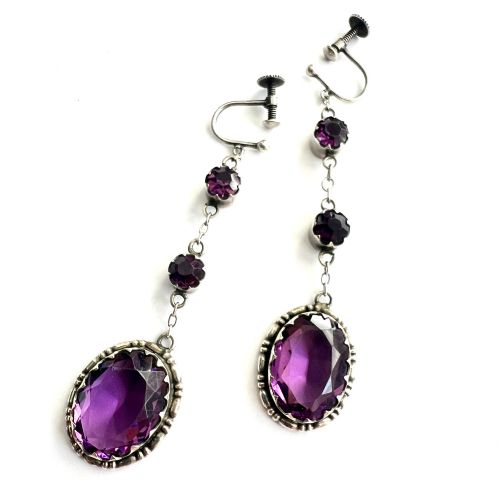
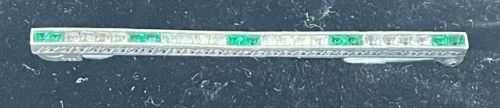
The selection centres heavily on items from the 1920 and 1930 decades, alongside occasional examples from the 1900 period, 19th Century, and 1950. Common manifestations include silver cocktail rings, screwback earrings, and intricate bar brooches featuring coloured paste stones. Statement bracelets and swivel eternity bands further represent the diverse output found within this category.
Materials and Construction
Items in this category rely heavily on silver, sterling silver, and gold settings to house the decorative elements. Paste glass and pate-de-verre glass provide the brilliant faceted stones that mimic precious gems such as sapphire, amethyst, emerald, and diamond. Additional components incorporate enamel, jade glass, rose quartz beads, and cultured pearls to enhance the visual composition.
Craftsmen shaped these materials into elaborate forms like chevron bangles, lizard brooches, arrow slave bangles, and duette fur clips. Screwback mechanisms and secure settings accommodate the stones, while mixed metal combinations of silver and gold appear in select cluster rings and earring sets.
Listings feature items spanning the 19th Century, 1900, 1920, 1930, and 1950 periods.
Assessing Quality in Paste Jewellery
Quality in these pieces rests upon the precision of the stone cutting and the complexity of the metalwork setting. Finer examples display meticulous prong or bezel work securing the glass stones, alongside thoughtful integration of supplementary materials like enamel or pate-de-verre glass. The sophistication of the overall design, whether a straightforward eternity band or an intricate duette fur clip, dictates the distinction between standard and superior pieces.
The choice of base metal also separates tiers of production, with sterling silver and gold settings generally indicating higher grade execution compared to generic metal alloys. Preservation of the original paste stones, free from excessive abrasion, maintains the intended brilliance and integrity of the design.
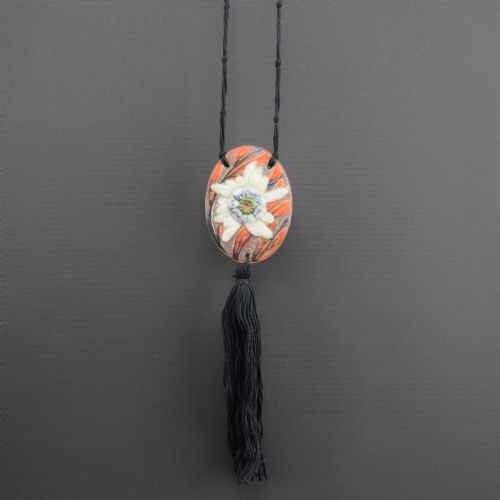
Argy Rousseau
The Art Deco Paste Jewellery Glossary
- Paste
- Faceted glass hand-cut and polished to imitate gemstones. It served as a high-status decorative material in historic jewellery.
- Pate-de-verre
- A French glass-casting method producing coloured, textured objects. It translates as glass paste.
- Duette
- A versatile brooch mechanism that separates into two individual dress clips. This invention defined interwar accessory design.
- Screwback
- A mechanical earring fastening tightened via a threaded screw rather than a post. It suited non-pierced lobes popular during the early twentieth century.
- Bangle
- A rigid circular bracelet worn sliding over the hand. Examples frequently utilise hinged or slip-on rigid structures.
Art Deco Paste Jewellery: Frequently Asked Questions
What is paste jewellery?
Paste jewellery consists of pieces set with hand-cut and polished glass designed to imitate diamonds and coloured gemstones.
Craftsmen set these glass stones into silver or gold metals to create decorative rings, brooches, and necklaces.
How do I clean antique paste?
Antique paste pieces require gentle cleaning with a dry or barely damp soft cloth to protect the delicate glass settings.
Submerging historic jewellery in water can weaken old adhesives or discolour the foil backing behind the stones.
Are these pieces solid gold?
The listings show items created from silver, sterling silver, and select pieces incorporating 18ct gold or combined gold and silver.
Precious metal content varies by individual piece, with silver serving as the predominant structural material.
Can screwback earrings be converted?
Jewellers can adapt screwback mechanisms to modern posts, though many collectors prefer preserving the original antique fixings.
Original screwbacks remain useful for wearers without pierced ears.