



Art Deco Open Bookshelf
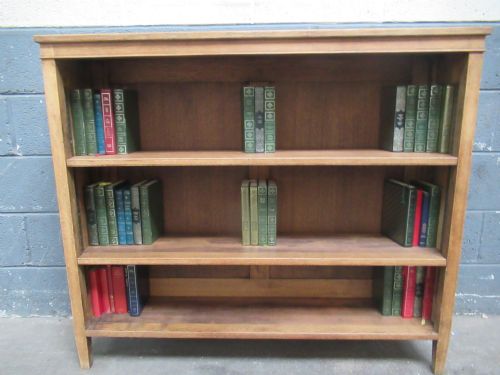
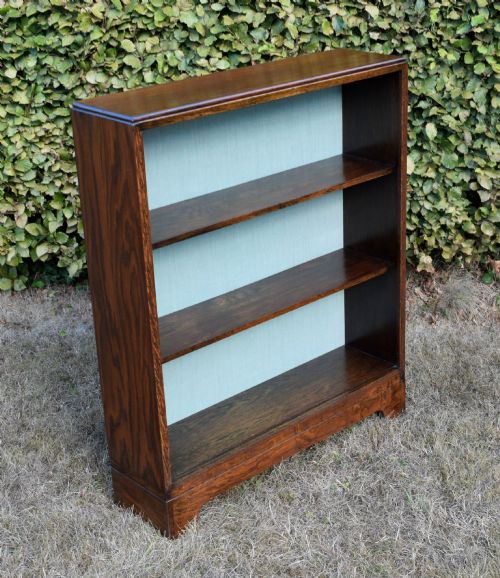
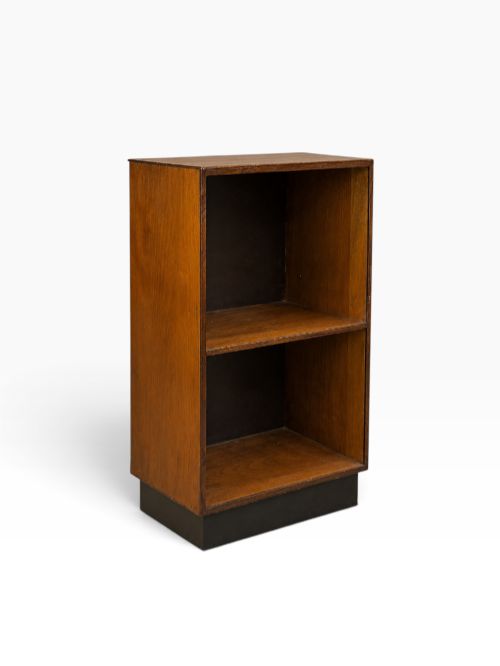
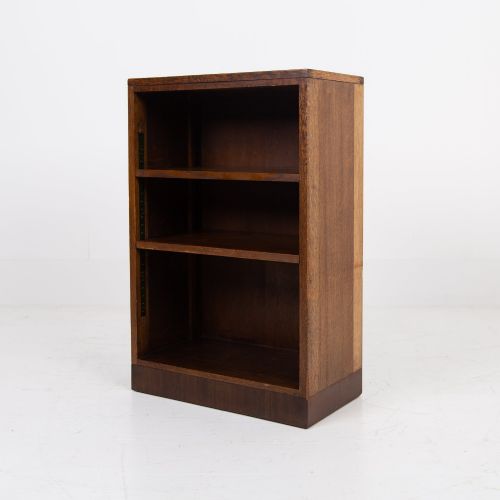
An art deco open bookshelf brings geometric restraint and clean lines to a room, holding volumes within a structured framework.
Art Deco Open Bookshelf
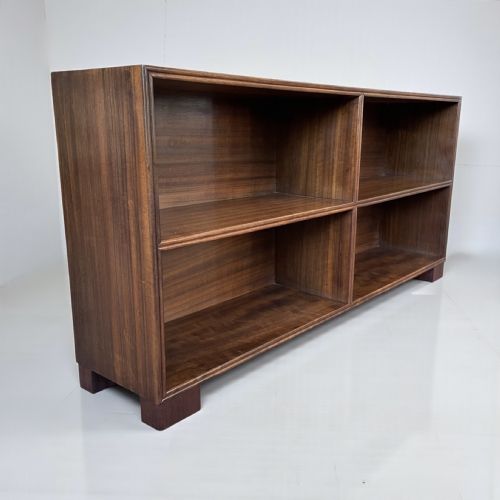
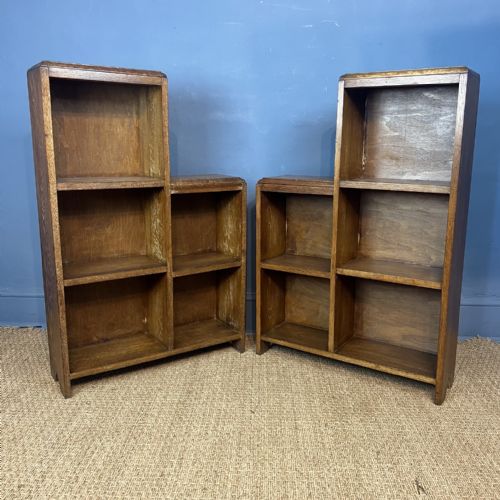
An art deco open bookshelf is primarily a storage piece designed for accessible book placement, appearing mostly from the nineteen-thirties alongside Edwardian and nineteen-ten precursors. These items take the form of bookcases, cabinets, low open shelving, and book troughs intended for domestic studies or living spaces.
The prevailing format on this page is the open bookcase, frequently constructed with accessible shelves rather than enclosed glass doors. Makers and designers from these decades arranged timber grains to create visual interest without relying on heavy ornamentation.
Influences range from straightforward British production to Scandinavian work, including Swedish Grace aesthetics. Pieces vary from simple waterfall forms to tailored cabinets featuring front mouldings and leather tops.
How they were made
Makers utilised a variety of hardwoods and veneers, applying oak, walnut, mahogany, birch, ash, burr elm, and general timber across the pieces. These woods were selected for their grain patterns, which formed the primary decorative surface on plain rectilinear forms.
Construction techniques involved careful joining of timber panels to support heavy loads of books while maintaining slender upright profiles. Brass fittings and ebonised finishes appeared as structural or contrasting details on specific models.
Art Deco Open Bookshelf Retail Price Guide 2026
Typical asking prices for art deco open bookshelf among the pieces listed under this phrase on Sellingantiques today, from the lower quarter to the upper quarter. They describe what is for sale here now, not the wider market.
What varies in quality
The distinction between standard production and fine work lies in the selection and matching of wood veneers, particularly burr elm and walnut. Superior examples display thoughtful grain alignment across the front elevations and mouldings.
Authorship and workshop origin elevate certain items, as seen in pieces bearing attribution or direct provenance to known designers and cabinetmakers. The precision of the joinery and the integration of functional elements like leather writing surfaces also differentiate the tiers of manufacture.
Maurice Adams·Betty Joel·Sandberg And Co
The Art Deco Open Bookshelf Glossary
- Art Deco
- A design style emerging in the early twentieth century characterised by sleek geometric shapes, streamlined forms, and modernist influences. It rejected Victorian clutter in favour of functional elegance.
- Waterfall Bookcase
- A shelving unit featuring stepped shelves that recede in depth from bottom to top, creating a cascading profile. This Edwardian and period form maximises stability.
- Burr Elm
- A figured wood grain featuring intricate swirling patterns caused by growth knots. Makers prized this material for decorative veneer panels.
- Book Trough
- A small tabletop or low-slung holder designed to keep a modest selection of current reading material upright and close at hand. They appear in mahogany and other dense timbers.
Art Deco Open Bookshelf: Frequently Asked Questions
What is an art deco open bookshelf?
An art deco open bookshelf is a piece of furniture designed for storing books without enclosed doors, originating predominantly from the nineteen-thirties. These units use clean lines and timber grains to create a structured appearance.
They function as accessible storage in living spaces while displaying the geometric aesthetic characteristic of the period.
How do I date an open bookcase?
Dating relies on observing construction materials, styles, and specific design markers such as waterfall steps or ebonised finishes. Pieces from the nineteen-thirties often employ walnut, ash, or burr elm veneers.
Earlier Edwardian or nineteen-ten examples tend to use heavier oak frames and different proportions compared to later modernist pieces.
Where should I place a low open bookcase?
A low open bookcase works well beneath windows or along living room walls where standard tall shelving would block light or views. Their height allows the top surface to hold lamps or decorative objects.
They provide easy access to frequently read volumes in studies or sitting rooms.
What woods were used in these bookcases?
Cabinetmakers utilised a broad selection of timbers including oak, walnut, mahogany, birch, ash, and burr elm. Some pieces also incorporated ebonised wood or brass details for contrast.
The choice of wood often defined the visual character of the piece, particularly when decorative veneers were matched across the front.