



Art Deco Marble Lamp Base
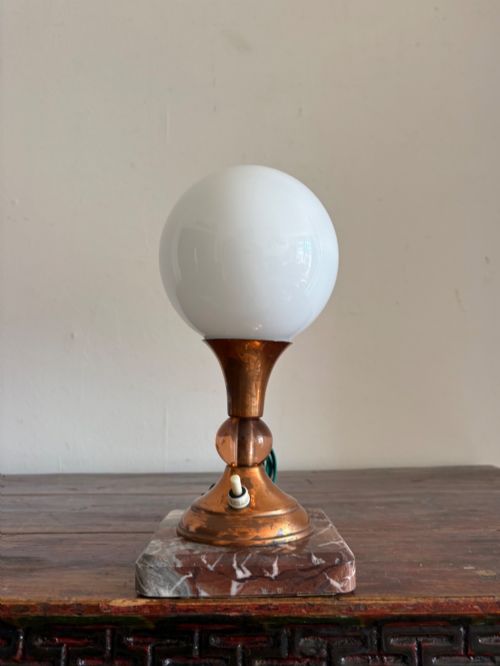
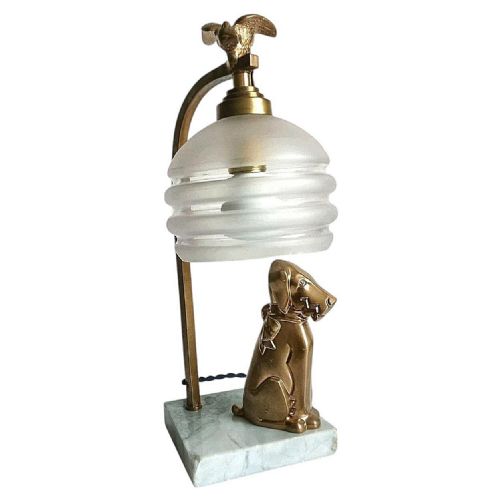
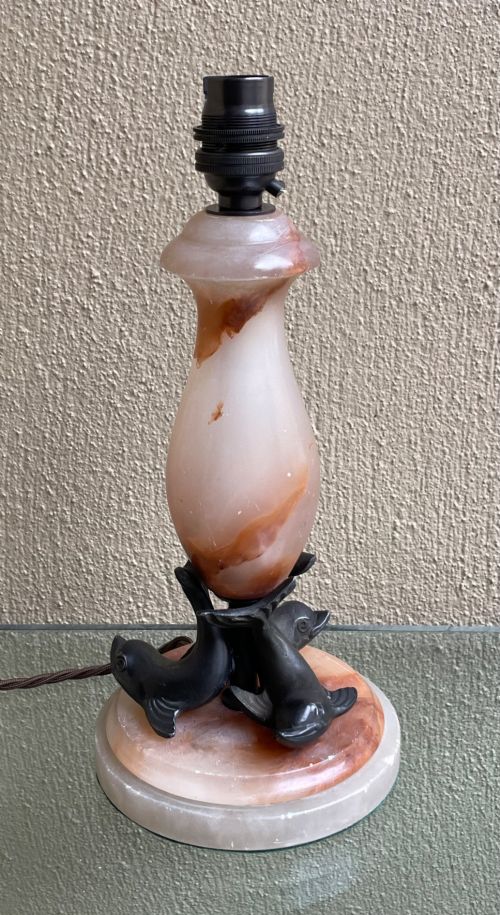
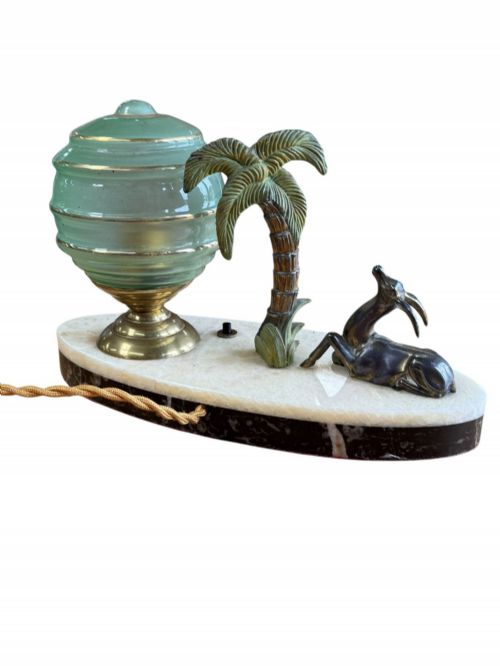
An art deco marble lamp base brings solid weight and geometric elegance to a room, combining rich stone with metal figures and glass shades.
Art Deco Marble Lamp Base
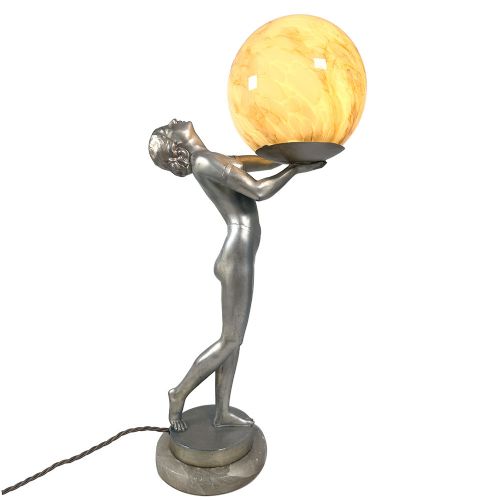
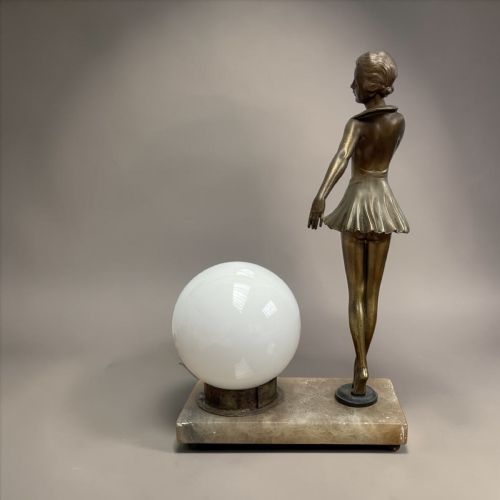
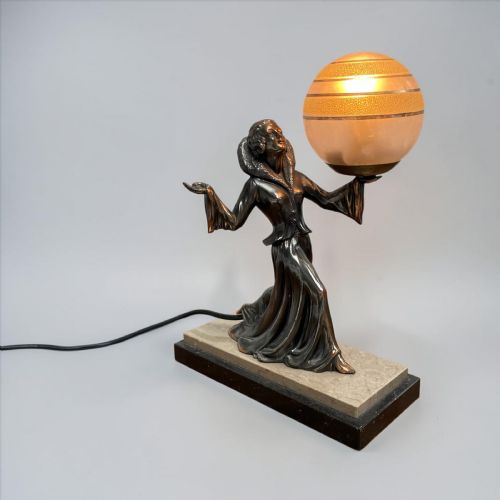
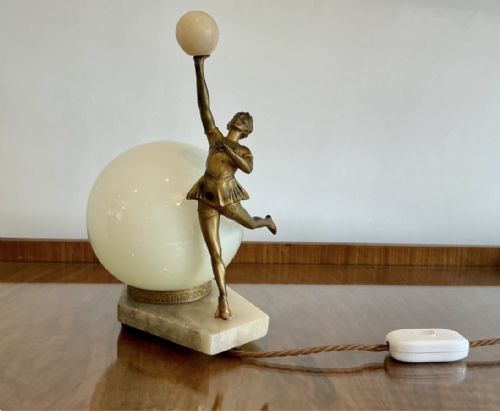
An art deco marble lamp base combines dense natural stone with sculptural elements typical of the interwar period. These pieces originate predominantly from France and span the nineteen-twenties and nineteen-thirties.
Buyers will encounter table lamps and night lights mounted upon sturdy stone plinths. Many examples incorporate figural subjects such as ladies, dogs, birds, and children executed in metal alongside the marble foundation.
The materials paired with the stone include bronze, spelter, brass, and copper, frequently complemented by opaline or frosted glass shades. Certain hybrid designs function simultaneously as small side tables with integrated lighting.
What varies in quality
The refinement of the cast metal figures defines the upper tier of these pieces. Sculptural work attributed to named modellers demonstrates superior anatomical precision and expressive detail compared to anonymous commercial production.
The selection and treatment of the marble foundation influence overall character. Uniform stone with harmonious veining and precise bevelled edges commands greater visual appeal than plain or poorly finished utilitarian slabs.
The integrity of the original glass shades and mounting hardware determines authenticity. Matching frosted or opaline glass components preserved without replacement uphold the historical completeness of the object.
Listings feature items from the nineteen-twenties and nineteen-thirties, combining marble, alabaster, and granite with bronze, spelter, and frosted glass.
P Sega·Baccarat
The Art Deco Marble Lamp Base Glossary
- Spelter
- A zinc alloy commonly utilised as a less costly alternative to bronze for casting decorative figures during the period. It accepts various metallic finishes to imitate higher-value bronze work.
- Opaline glass
- A milky, semi-translucent glass type often tinted in pastel shades to soften electrical illumination. It appears frequently in period shade manufacturing.
- Patinated metal
- Metal treated with chemical solutions to produce an aged surface colour or protective coating. This process enhances the visual depth of figural lamp mounts.
- Alabaster
- A fine-grained translucent stone softer than marble, carved into bases and lamp bodies. Its natural translucency allows subtle light diffusion when illuminated.
- Night light
- A small-scale decorative lamp designed for low-level illumination, often featuring single figures mounted alongside a bulb socket. These compact pieces frequently depict animals or children.
Art Deco Marble Lamp Base: Frequently Asked Questions
Are these lamps safe for modern wiring?
Many surviving pieces retain their original electrical components from the early twentieth century. These older circuits often require professional rewiring to meet contemporary safety standards.
Consult a qualified electrician to inspect the internal wiring and lamp holders before regular domestic use. Preserving original switches and plugs is possible while updating internal cables.
What is the difference between a table lamp and a night light?
Table lamps generally stand taller and provide substantial illumination for a room or desk area. They often feature larger glass shades and more complex multi-component arrangements.
Night lights are smaller decorative objects designed for low-intensity ambient lighting, frequently incorporating a single cast figure beside a small bulb. They serve primarily as decorative sculptures with subsidiary illumination.
How can I identify French art deco lighting?
French production from this era typically pairs geometric marble foundations with expressive cast metal figures. The integration of frosted or opaline glass is characteristic of continental lighting design.
Look for stylistic cues such as stylised animal anatomy, drapery folds, and symmetrical stone bases. Signatures or foundry stamps occasionally appear on the metal castings.