





Art Deco Lighter
An art deco lighter brings the bold geometry and tactile luxury of the interwar smoking room directly to a modern desk or table.
Art Deco Lighter
When you search for an art deco lighter, you encounter compact table pieces alongside larger smoking accessories and standard up-lighters that share the aesthetic vocabulary of the 1920s and 1930s. The selection ranges from mechanical petrol lighters housed in precious metals to sculptural figural table lighters cast in metal.
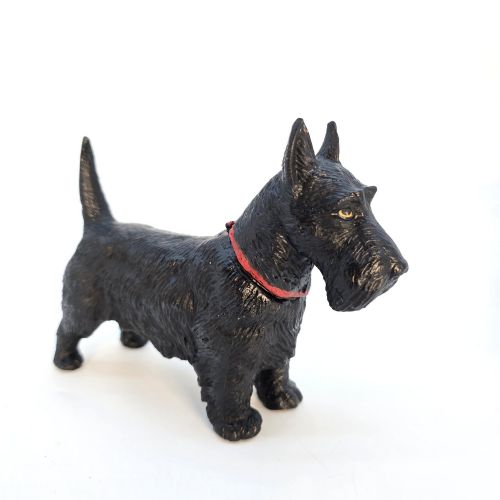
Figural forms dominate the smaller table pieces, depicting animals, golfers, and human figures by known artists. Alongside these stand utilitarian smoking sets combining lighters and cigarette boxes, executed in exotic finishes like shagreen.
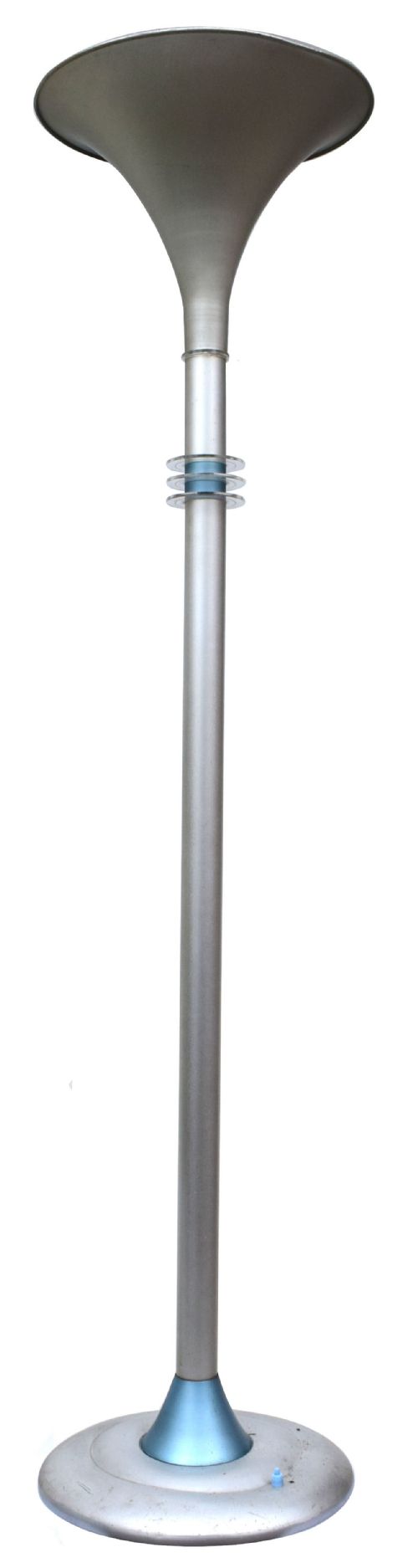
The larger domestic forms operating as up-lighters use the same stylistic language of clean lines and tulip glass shades, though they serve to illuminate a room rather than a cigarette. Buyers meet both portable pocket mechanisms and heavier table-bound pieces designed to stay in one room.
Materials and construction methods
Makers utilised a diverse palette of metals, combining cast metal and spelter with gold-plated brass, chrome, and silver. Figures and bodies were frequently cast and finished with paint or patination, while mechanical inserts relied on precision engineering for petrol ignition.
Surface texture played a central role in the aesthetic, incorporating organic materials like genuine sharkskin shagreen, leather mounting, and rich enamel alongside industrial elements like glass, opaline, and bakelite.
Art Deco Lighter Retail Price Guide 2026
Typical asking prices for art deco lighter among the pieces listed under this phrase on Sellingantiques today, from the lower quarter to the upper quarter. They describe what is for sale here now, not the wider market.
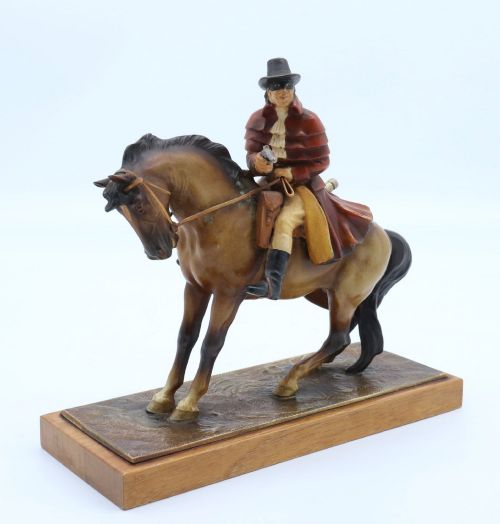
Dick Turpin once kept stagecoach passengers awake with terror, but in this selection, the highwayman quietly holds your after-dinner smoke.
Factors of craftsmanship and distinction
Quality rests upon the fidelity of the casting and the prestige of the maker or artist associated with the design. Sculptural figural pieces signed by recognised designers command greater attention than anonymous cast metal alternatives.
The choice and preservation of finish determine the standing of a piece, particularly where delicate materials such as shagreen, hand-painted details, or gold plating remain intact and unblemished by heavy wear.
Dunhill·Lorenzl·Robj Paris·Dakon·Polaire of Paris·GEC·Ronson
The Art Deco Lighter Glossary
- Spelter
- A zinc-based alloy commonly used as a cost-effective substitute for bronze in decorative figures and lamp bases. It takes paint and patination well.
- Shagreen
- Untanned skin from sharks or rays with a granular texture, utilised by makers to cover luxury boxes and lighter bodies during the interwar period.
- Up-lighter
- A lighting form directing illumination upward toward the ceiling, appearing in standard floor lamps, torcheres, and occasionally as a descriptor for table fittings.
- Dinanderie
- An art form involving beaten or engraved brass, copper, or bronze vessels, frequently decorated with applied patinas characteristic of the period.
- Opaline
- A type of semi-translucent glass, often milky white or coloured, utilised extensively for tulip shades and decorative lamp bodies.
Art Deco Lighter: Frequently Asked Questions
What fuels an antique mechanical petrol lighter?
These historical pieces operate on standard lighter fuel designed for petrol-wick mechanisms. Modern fluid is generally compatible with the vintage internal tanks.
Care should be taken not to overfill the reservoir, protecting any surrounding metalwork, shagreen, or painted finishes from accidental spills.
How do I distinguish a table lighter from a small lamp?
Table lighters incorporate a mechanical striker, snuffer cap, and a fuel well designed to ignite cigarettes or cigars. Lamps rely on electrical wiring to illuminate glass shades.
While both share the stylistic motifs of the period, their internal mechanisms serve entirely different domestic functions.
Are figural pieces original to the period?
Authentic examples date strictly to the 1920s and 1930s, featuring period casting techniques and patination consistent with interwar manufacturing standards. Signature stamps from known artists often corroborate the date.
Details such as hand-painted polychrome decoration help confirm the piece belongs to the original era of production.
Where were these smoking accessories typically placed?
Owners kept them on smoking tables, sideboards, or desks in reception rooms where guests gathered after dinner. They formed part of coordinated smoking sets that included matching cigarette boxes.
Their decorative sculptural presence ensured they remained visible even when not in active use.