
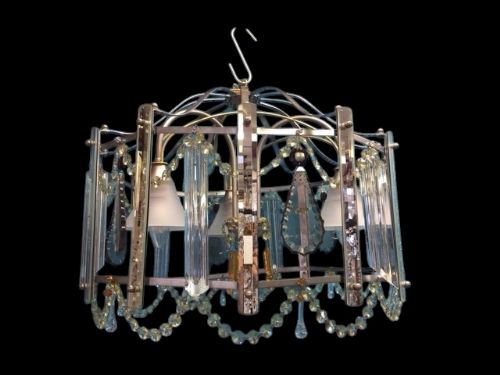


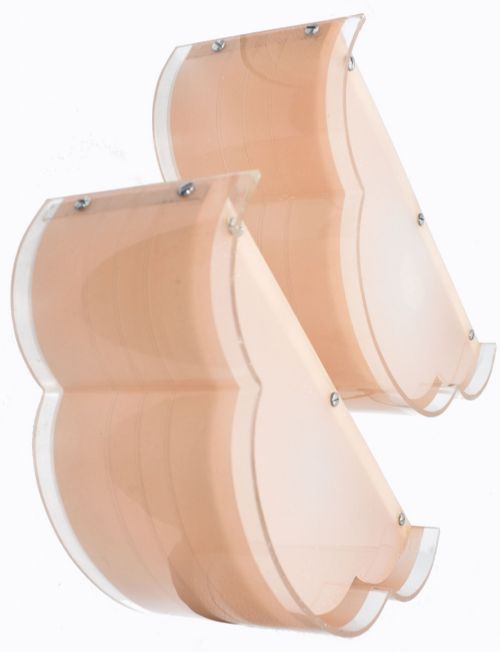


Art Deco Flush Light
These art deco flush light pieces mount directly against the ceiling to bring period geometric form and diffused illumination into low spaces.
Art Deco Flush Light
An art deco flush light sits tightly against the ceiling plane, offering practical illumination without a hanging drop. These fixtures appear primarily from the nineteen-twenties and nineteen-thirties, embodying the distinctive design ethos of the era.
The selection on this page includes close-fitting ceiling lights alongside related wall lights, chandeliers, and pendant forms. French origins appear frequently among the pieces, often featuring characteristic pressed or frosted shades mounted to metal frames.
Geometric shapes and stepped outlines dominate the forms, whether in a simple dome ceiling lamp or a larger tiered construction. Buyers seeking this aesthetic will find shades designed to sit flat or flush against structural surfaces.
What varies in quality
The weight and thickness of the glass shade distinguish standard production from superior examples, with heavier pressed crystal and deep-etched surfaces showing greater definition in the pattern. Superior French pieces often feature crisp moulding signatures or higher clarity in the frosted finish.
The quality of the metal mountings and the precision of their fit against the glass create a cohesive design. Substantial chrome, bronze, or copper hardware that secures the shade firmly without distorting the geometric silhouette marks the higher tier of manufacture.
French workshops contributed significant examples of moulded and pressed glass ceiling lighting during the interwar period.
René Lalique·Jean Gauthier
The Art Deco Flush Light Glossary
- Flush mount
- A lighting fixture designed to attach directly to the ceiling without a suspension rod or chain. This configuration suits rooms with lower ceiling heights.
- Plafonnier
- A shallow bowl-shaped ceiling light fixture mounted flat against the ceiling. The term frequently applies to French glass lighting from the period.
- Slip shade
- A moulded glass panel that slides into a metal frame to form a shade. These pieces fit together around a central fixture.
- Frosted glass
- Glass treated to scatter light and create a translucent appearance. This finish reduces the harshness of direct bulb illumination.
- Skyscraper
- A stepped, vertical architectural style translated into lighting design. These fixtures echo the rising profile of modern city buildings.
Art Deco Flush Light: Frequently Asked Questions
How do I install a flush light?
These fixtures mount directly to the ceiling junction box using the provided metal framework or backplate. Ensure the power is switched off before connecting the internal wiring.
Professional installation is recommended for heavier glass shades and older metal fittings to ensure safe support against the ceiling surface.
Can I use modern LED bulbs?
Modern LED bulbs fit most vintage sockets as long as the wattage and physical dimensions match the interior space of the glass shade. Choose warm white temperatures to replicate the soft glow of historic lighting.
Check the clearance inside the shade before inserting the bulb to prevent heat retention against fragile frosted or pressed glass.
How do I clean vintage glass shades?
Remove the glass shade from the metal mount if possible and wash it gently in warm soapy water using a soft cloth. Avoid harsh chemical cleaners that can damage historic frosted or etched surfaces.
Dry the glass thoroughly before reassembling the fixture and ensure all metal screws are secured without over-tightening against the material.
Are these lights suitable for bathrooms?
Original vintage fixtures generally lack modern ingress protection ratings required for wet or damp zones like bathrooms. They work best in dry areas such as hallways, bedrooms, or living rooms.
Consult an electrician regarding safety regulations if you plan to install vintage lighting in spaces exposed to moisture.