





Art Deco Figurine Box
An art deco figurine box brings tactile charm to a dressing table, combining sculptural flair with practical storage for trinkets or powder.
Art Deco Figurine Box
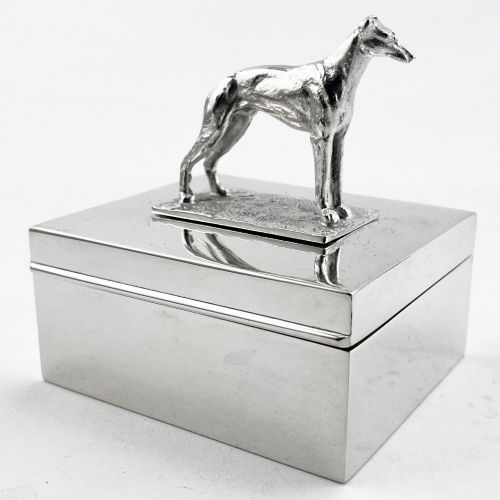
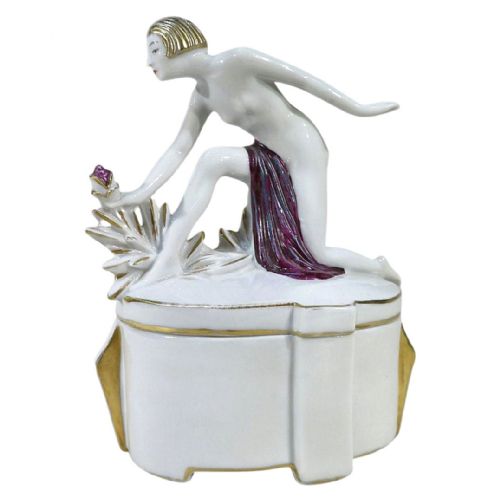
An art deco figurine box is a specialised vessel designed to hold powder, cosmetics, or small trinkets, defined by the distinct aesthetic of the 1930 period. These pieces frequently take the form of lidded bowls or jars topped with sculptural figures rather than simple geometric containers.
Buyers browsing this selection will most commonly encounter ceramic and porcelain pieces depicting flapper girls, bathing belles, and novelty subjects. Originating from workshops across France, Germany, and Austria, these domestic items served both a decorative and a utilitarian purpose in the interwar boudoir.
Materials and Manufacture
These pieces rely on porcelain, earthenware, and ceramic as their primary structural bodies, shaped into bowls and lids during the 1930 period. Artisans applied coloured glazes and enamel to the surfaces to achieve the vivid visual styling characteristic of the era.
Art Deco Figurine Box Retail Price Guide 2026
Typical asking prices for art deco figurine box among the pieces listed under this phrase on Sellingantiques today, from the lower quarter to the upper quarter. They describe what is for sale here now, not the wider market.
The listings demonstrate that ceramic, porcelain, and earthenware form the core structural materials for these 1930 decorative boxes.
Quality Variations
The richness and application of the glaze, alongside the crispness of any gilt or gold leaf details, further separate the output of notable potteries from simpler commercial wares. Preserved surfaces without excessive wear to the painted enamel retain greater visual integrity.
Limoges
The Art Deco Figurine Box Glossary
- Flapper girl
- A popular cultural archetype of the 1920s and 1930s depicting a modern, independent young woman with short hair and stylish dress. These figures frequently form the handle or lid of dressing table powder boxes.
- Half doll
- A porcelain figurine moulded only from the waist or hips upwards, designed specifically to be attached to the top of powder boxes, lampshades, or whisk brooms. They became widely produced in European potteries during the early twentieth century.
- Bathing belle
- A sculptural motif representing women in contemporary swimwear, often posed in recreational or leisure stances. This subject matter appeared frequently on ceramic novelties and dressing table accessories of the 1930s.
- Bonbonniere
- A small decorative box or jar originally intended to hold sweets or bonbons. In ceramic form, these vessels function similarly to trinket boxes on dressing tables.
- Glaze
- A glassy coating fused to ceramic bodies through firing to render them impermeable and provide colour or shine. The finish ranges from high gloss to matte depending on the aesthetic goals of the pottery.
Art Deco Figurine Box: Frequently Asked Questions
What is an art deco figurine box?
An art deco figurine box is a lidded container for powder or trinkets featuring a sculptural human or novelty figure on top. These items belong to the 1930 period and combine ceramics with applied glazes.
They served as functional dressing table accessories rather than purely ornamental sculptures, holding cosmetics or small personal items.
How were these boxes used originally?
Original owners placed these vessels on dressing tables and boudoir surfaces to store loose face powder, trinkets, or small keepsakes. The lidded design kept contents enclosed while the figurine served as a convenient handle.
They functioned as both everyday cosmetic containers and decorative statements reflecting contemporary design trends.
How do I identify a 1930 piece?
Authentication relies on observing the characteristic styling of the figural subjects, such as flapper girls or bathing belles, combined with period ceramic bodies. Glaze types and enamel palettes typically align with European manufacturing standards of the 1930 era.
Maker marks or country of origin stamps found on the underside of the base provide definitive attribution to specific European regions.
How do I care for a ceramic box?
Maintenance requires gentle dusting with a soft, dry cloth to protect fragile enamel surfaces, gold leaf, and gilt details from abrasion. Moisture should be kept away from unglazed or porous areas of the ceramic body.
Placement away from direct sunlight preserves the vibrancy of the painted glazes over time.