




Art Deco Enamel Vase
An art deco enamel vase brings bold geometric lines and vibrant colour to a room, combining glass and earthenware with striking surface decoration.
Art Deco Enamel Vase
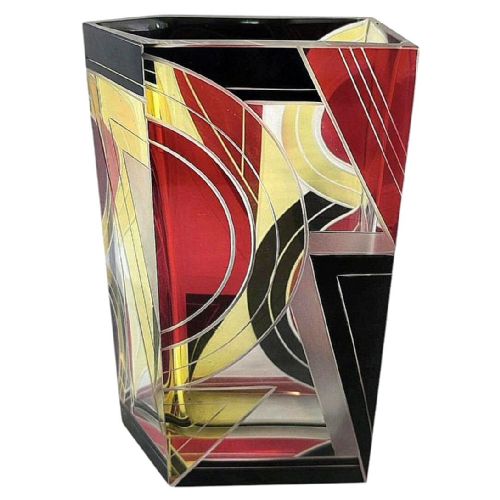
An art deco enamel vase represents a period of distinct geometric styling from the nineteen twenties and nineteen thirties. These vessels combine functional form with decorative surface work, frequently taking tall or square silhouettes.
Makers utilised contrasting textures, pairing etched glass with black or coloured enamel to create striking visual depth. These pieces capture the industrial spirit and modernist aesthetic of the interwar era.
How they were made
Makers formed the body of each vessel using blown or moulded glass, sometimes incorporating uranium glass or earthenware. Artisans then applied enamel pigments directly to the surface to create bold, opaque decoration.
Techniques often included etching the glass surface before or after applying the enamel, building tactile layers. Certain pieces integrated gold leaf or enamel inclusions within the material structure during manufacture.
Art Deco Enamel Vase Retail Price Guide 2026
Typical asking prices for art deco enamel vase among the pieces listed under this phrase on Sellingantiques today, from the lower quarter to the upper quarter. They describe what is for sale here now, not the wider market.
Listings feature items exclusively from the nineteen twenties and nineteen thirties, predominantly utilising glass and enamel materials alongside earthenware.
What varies in quality
The precision of the geometric etching and the crispness of the enamel application define the distinction between standard and superior examples. Clean lines and deliberate colour saturation indicate careful execution by skilled hands.
The weight and clarity of the base glass, alongside the complexity of decorative inclusions such as gold leaf, separate simpler utilitarian items from more ambitious studio pieces.
Karl Palda·Wedgewood·Minton
The Art Deco Enamel Vase Glossary
- Art Deco
- A design style dominant in the nineteen twenties and nineteen thirties characterised by sleek geometric shapes and stylised motifs. It rejected traditional floral curves in favour of industrial modernity.
- Uranium glass
- Glass containing trace amounts of uranium dioxide, which glows a vivid green under ultraviolet light. It was frequently utilised for decorative vessels during the interwar period.
- Enamel
- A decorative vitreous substance fused to the surface of glass or pottery through firing. It provides durable colour and a smooth, glossy finish.
- Etched glass
- Glass treated with acid or abrasive techniques to create frosted designs or recessed patterns. This process adds texture and contrast against smooth enamel surfaces.
Art Deco Enamel Vase: Frequently Asked Questions
What periods do these vases come from?
The pieces shown originate primarily from the nineteen twenties and nineteen thirties. This timeframe encompasses the height of the art deco movement across Europe.
Design characteristics from these decades reflect prevailing modernist tastes, moving away from historic revival styles toward clean geometric abstraction.
How do I identify uranium glass?
Uranium glass displays a distinct yellowish-green hue under natural light and produces a bright green glow under ultraviolet illumination. This property results from the mineral content added during glass production.
Such glass was commonly utilised in art deco vessels to achieve striking luminous effects.
Where were these pieces manufactured?
The inventory includes items originating from the Czech Republic, alongside British pottery works. Czech glasshouses were particularly prolific in producing geometric etched and enamelled vessels during the interwar period.
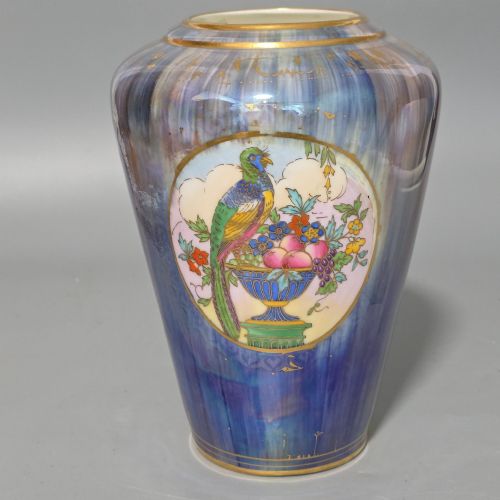
British manufacturers contributed distinct earthenware and lustre pottery traditions to the same stylistic movement.
How should I display an art deco enamel vase?
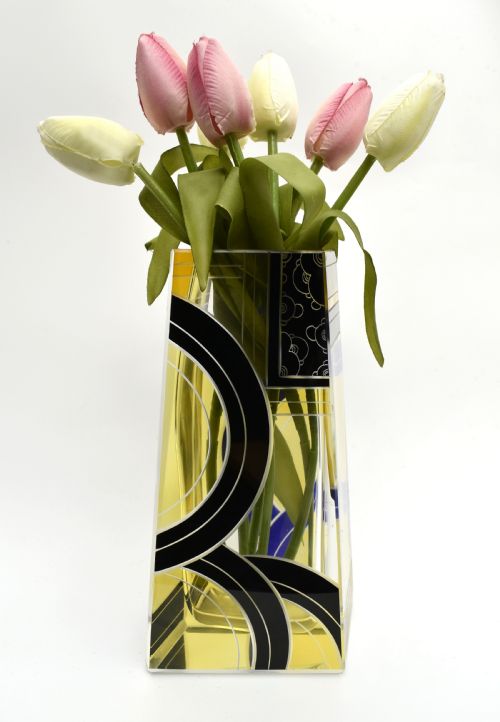
Place these vessels in well-lit areas where light can interact with the glass, enamel, and etched surfaces. Tall or geometric forms benefit from open placement on plain surfaces to highlight their silhouette.
Keep them away from direct edges where accidental knocks might occur, preserving the delicate glass and enamel work.