


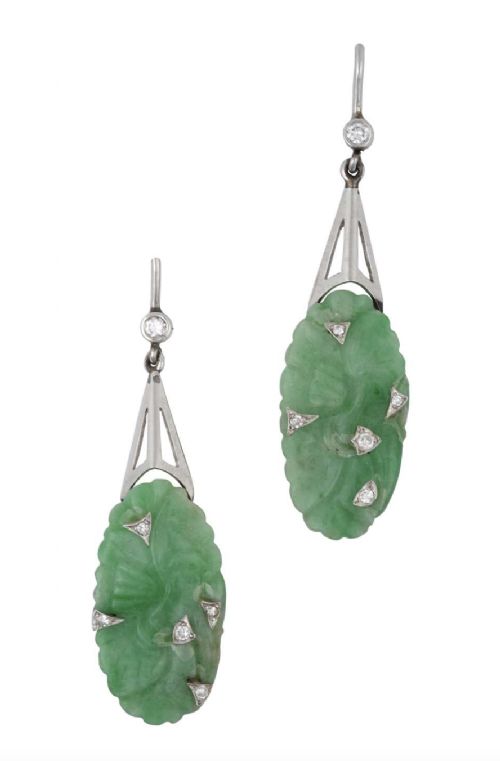


Art Deco Diamond Dangle Earrings
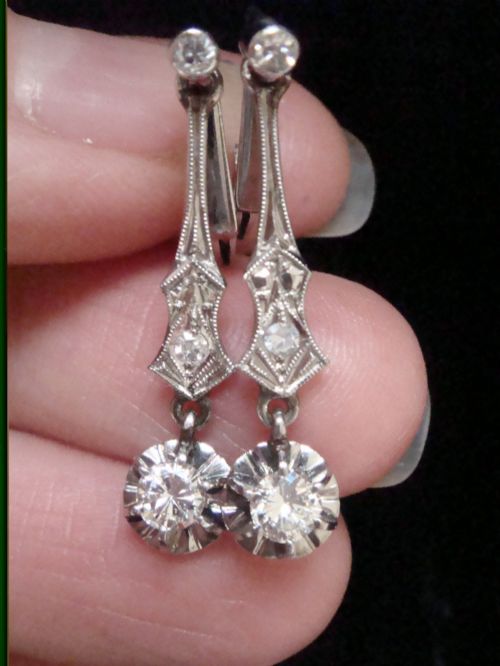
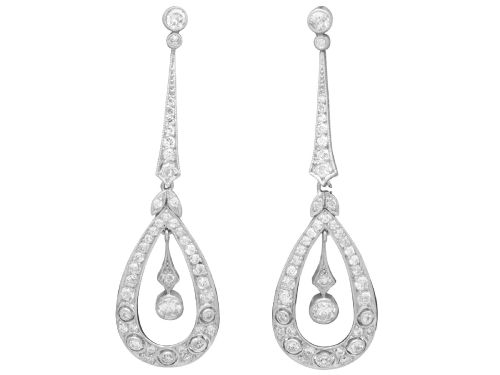
Art deco diamond dangle earrings combine geometric styling with articulated drops, offering sophisticated movement that defines the jewellery of the period.
Art Deco Diamond Dangle Earrings
When you search for art deco diamond dangle earrings, you encounter drop and dangle forms created across periods including the 1920s, 1930s, Edwardian era, 1940s, and 1950s.
The pieces on this page primarily showcase the Art Deco and Edwardian styles, featuring structured geometric lines alongside flowing drop configurations.
Makers utilised drop earrings and cluster designs to suspend gemstones from the ear, incorporating articulating joints that allow the lower sections to sway.
Materials and construction
Workshops built these drop earrings predominantly in platinum and 18ct white gold, occasionally incorporating yellow gold for contrast.
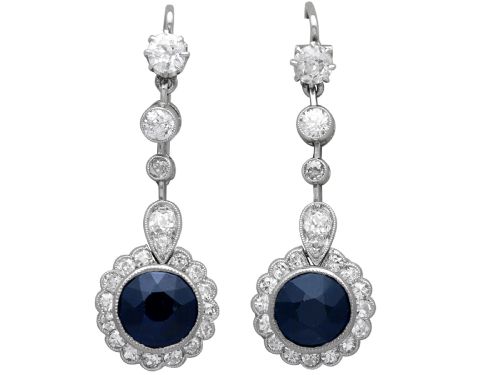
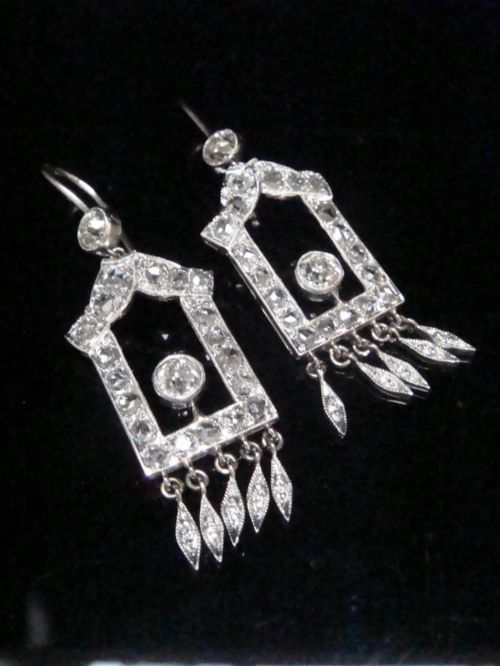
Designs centre on diamonds - often old cut or rose cut stones - frequently paired with coloured gems such as jadeite, sapphire, emerald, ruby, aquamarine, pink tourmaline, moonstone, pearl, and coral.
Metalsmiths employed precise setting techniques to secure multiple small stones within geometric frames and articulated drop sections.
Listings incorporate platinum, 18ct white gold, and yellow gold alongside gemstones including emerald, sapphire, jadeite, aquamarine, and pink tourmaline.
Variations in quality
The standard of a pair rests upon the visual balance between the primary diamond carat weight and the supporting mount, alongside the precision of the metalwork.
Superior examples demonstrate meticulous articulation in the drop mechanism, ensuring fluid movement without structural looseness in the joints.
The integration of stones like natural jadeite, sapphires, or emeralds alongside matched old cut diamonds elevates the ambition of the design.
The Art Deco Diamond Dangle Earrings Glossary
- Art Deco
- A design style spanning the 1920s and 1930s characterised by symmetry, geometric motifs, and stylised linear forms. It replaced the flowing curves of earlier periods with sharp angles and clean outlines.
- Old Cut
- A precursor to the modern brilliant cut diamond, featuring a smaller table, higher crown, and open culet. These stones display a distinctive soft, candlelit sparkle.
- Articulated
- Built with hinged or linked joints that allow sections of the earring to move independently. This construction creates a dynamic play of light as the wearer turns.
- Platinum
- A dense, strong white metal favoured in the period for securing gemstones with minimal visible metal. Its durability allowed jewellers to craft delicate wirework and intricate geometric settings.
Art Deco Diamond Dangle Earrings: Frequently Asked Questions
What is a night and day earring?
Night and day earrings feature removable drop sections that transform a daytime cluster or stud into an elaborate evening piece. This modular construction allowed wearers to adapt their jewellery for different occasions.
The evidence shows examples from the 1920s utilising this versatile configuration with diamonds and platinum mountings.
How do I date these earrings?
Dating relies on stylistic markers, metal choices, and stone cuts associated with specific decades. Pieces from the 1920s and 1930s typically feature platinum geometric frameworks, while 1940s and 1950s examples introduce alternative gold tones and mid-century silhouettes.
Examining the diamond cutting style, such as old cuts versus later brilliant facets, provides further chronological guidance.
Are coloured stones common in these drops?
Coloured gemstones frequently accompany diamonds in these drop designs. Sapphires, emeralds, rubies, and jadeite appear regularly as focal stones or accents within the geometric layout.
These additions reflect the period taste for strong colour contrasts against white platinum and 18ct white gold.
How should I store dangle earrings?
Store articulated drop earrings flat in a lined jewellery box to prevent the hanging sections from tangling or sustaining impact damage. Keeping individual pairs separate protects the delicate platinum or gold settings from friction.
Avoid hanging them for long periods by their hooks, which can strain the uppermost joints over time.