




Art Deco Couch
An art deco couch brings the bold lines of the nineteen-twenties and nineteen-thirties straight into a modern room.
Art Deco Couch
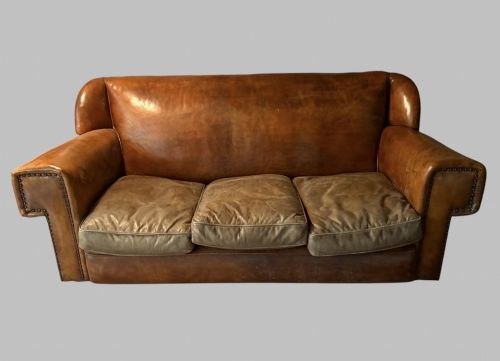
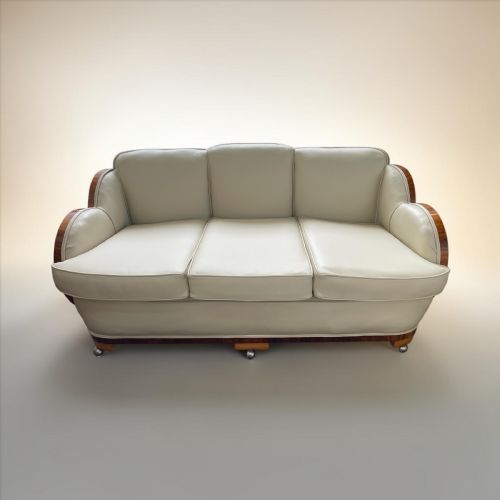
An art deco couch represents the distinctive seating designs produced during the nineteen-twenties and nineteen-thirties. Buyers searching for an art deco couch encounter generous three-seater sofas, drop end models, and cloud shape suites featuring matching armchairs.
The selections span lounge suites, day beds, and chaise longues originating from the nineteen-twenties up to nineteen-thirty. These pieces embody the characteristic geometric and scroll shapes typical of the period.
Materials and construction
Construction relies on sturdy wood frames utilising walnut, walnut veneer, maple, and metal elements. Brass details often accent the framework of these seating pieces.
Upholstery materials recorded in the evidence include leather and velvet, providing the tactile finish characteristic of the era. Drop ends and scroll shapes demonstrate the advanced carpentry and joinery of nineteenthirties workshops.
Art Deco Couch Retail Price Guide 2026
Typical asking prices for art deco couch among the pieces listed under this phrase on Sellingantiques today, from the lower quarter to the upper quarter. They describe what is for sale here now, not the wider market.
One notable piece originates directly from the ballroom of the RMS Queen Elizabeth ocean liner.
Judging quality in period seating
Quality rests upon the preservation of original materials such as walnut veneers and exposed wood framing. Pieces retaining their structural integrity and characteristic cloud or scroll shapes demonstrate superior craftsmanship.
The presence of matched suites, including sofas paired with armchairs, indicates higher status among surviving examples. Original leather and distinct design attributes like drop ends elevate individual pieces within the range.
Harry and Lou Epstein·Syrie Maugham
The Art Deco Couch Glossary
- Cloud shape
- A rounded, bulbous upholstery style reminiscent of cumulus clouds popular in nineteen-thirties furniture design. This design gives sofas a soft, enveloping profile.
- Drop end
- A sofa arm mechanism that lowers to convert the seating into a day bed or lounger. This feature adds versatility to period furniture.
- Palisander
- A dense tropical timber exhibiting rich grain patterns utilised in high-end cabinet making during the period. It provides a dark, polished finish.
- Walnut veneer
- A thin layer of walnut wood applied over a secondary timber base to create decorative exterior surfaces. This technique allowed makers to display intricate wood grains.
- Chesterfield
- A traditional deep-buttoned upholstered sofa style adapted during the period with modern leather finishes. It remains a staple of classic British seating.
Art Deco Couch: Frequently Asked Questions
What defines an art deco couch?
An art deco couch is characterised by the distinctive styles of the nineteen-twenties and nineteen-thirties, featuring geometric lines, scroll shapes, and cloud profiles.
These pieces typically utilise materials such as leather, velvet, walnut, and brass to achieve their iconic look.
How do I identify a nineteen-thirties sofa?
Nineteen-thirties sofas are identified by their construction materials, including walnut veneer and metal frames, alongside specific forms like three-seater layouts and drop ends.
Makers of the period often incorporated matching armchair suites to complete the lounge set.
Are these couches comfortable for daily use?
Many examples provide deep seating and supportive frames upholstered in leather or velvet suited for everyday lounging.
Some period pieces require reupholstery to restore their original comfort and padding levels.
How do I care for leather upholstery?
Leather upholstery requires regular conditioning to maintain its suppleness and prevent the natural material from drying out over time.
Keeping the leather away from direct heat sources preserves the finish established during the period.
What wood types appear most often?
Walnut and maple form the primary wooden elements found in the frames and exposed veneered surfaces of these sofas.
Additional materials like brass and metal provide structural support and decorative contrast.