


Art Deco Column Tables
Art deco column tables bring architectural strength and clean geometric lines to an interior, combining the functional role of a small surface with striking twentieth-century design.
Art Deco Column Tables
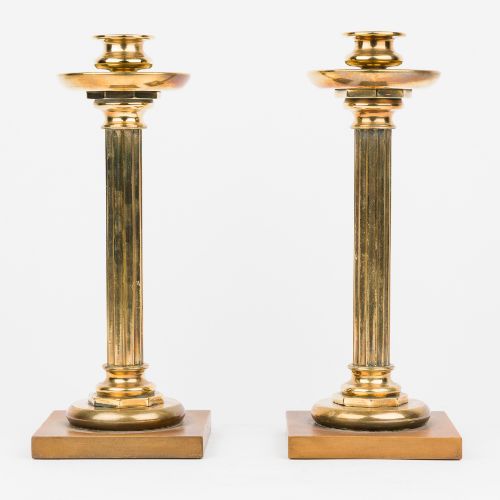
Art deco column tables and related pedestal forms combine vertical support with compact surfaces, appearing across the nineteen-twenties and nineteen-thirties alongside standard lamps and candlesticks. These pieces draw on classical motifs reinterpreted through modern design, utilising marble, brass, and chrome to create sturdy platforms for daily use.
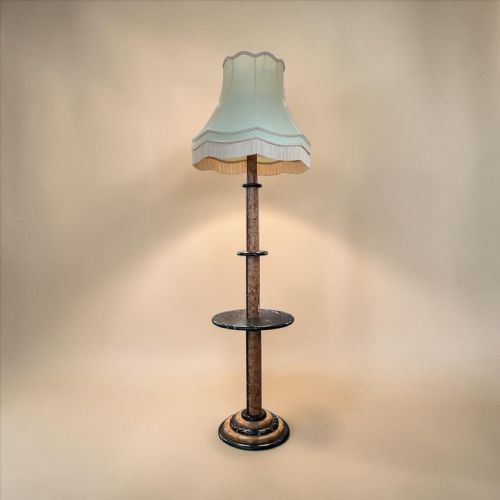
The selection ranges from dedicated lamp tables and standard lamps with integrated surfaces to smaller side tables shaped by the aesthetics of the period. Makers of the era favoured solid marble, polished metals, and occasionally wood such as macassar, reflecting both neoclassical revival trends and Amsterdam School influences.
How they were made
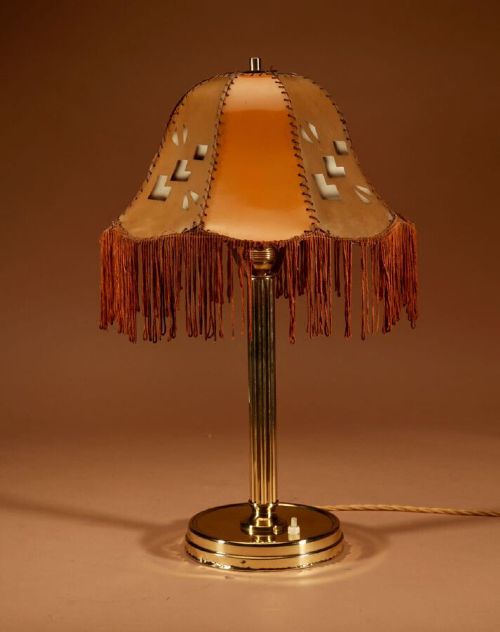
Construction relies heavily on metals such as brass, bronze, chrome, and silver plate, shaped into upright columns and supporting structures. These metallic elements are frequently paired with heavy stone bases in marble or onyx to ensure stability for taller forms.
Surface treatments and decorative details include hand-painted lacquer, gilt work, and patinated copper, alongside glass and ormolu mounts. The combination of industrial metals with natural stone defines the physical execution of pieces from this era.
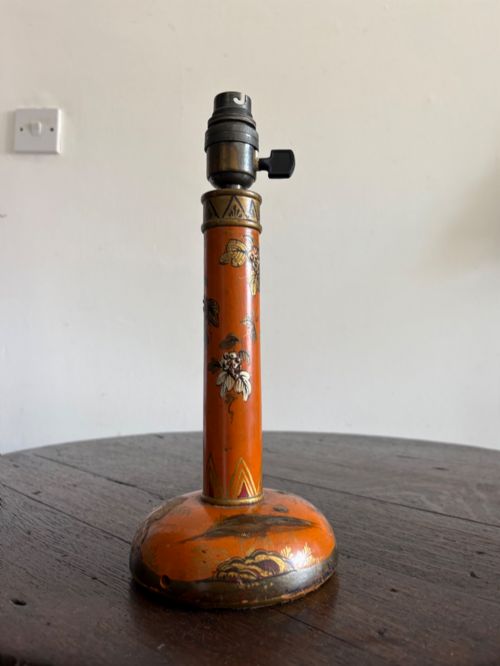
A cheerfully bright mandarin orange lamp shares space with items nicknamed for liquorice allsorts.
What varies in quality
Quality rests in the substantial nature of the materials, separating solid marble and heavy cast bronze from lighter plated alternatives. The choice of stone, the weight of the metal components, and the crispness of any applied decoration dictate the overall standard of the piece.
Proportion and execution also play a role, as the balance between the vertical column and the supporting base determines the visual success of the design. Finer examples show careful attention to jointing, polishing, and the integration of contrasting materials.
The Art Deco Column Tables Glossary
- Ormolu
- Gilded bronze, often used for decorative mounts and decorative highlights on metalwork. It provides a bright golden finish that resists tarnishing.
- Amsterdam School
- An architectural and design style of the early twentieth century characterised by expressionist forms, brickwork, and intricate metal detailing. Pieces from this movement often feature patinated copper and brass.
- Chinoiserie
- European interpretation of Chinese and East Asian artistic traditions, frequently expressed through hand-painted lacquered surfaces and distinct colour palettes. This style appears on selected lighting and furniture pieces from the period.
- Macassar
- A dense, dark tropical timber with distinctive lighter grain markings, utilised in high-end cabinet making and occasional furniture during the interwar years.
Art Deco Column Tables: Frequently Asked Questions
How do I style an art deco table?
These pieces work well as standalone accent surfaces in living spaces or hallways, where their architectural lines can be appreciated without clutter. Pair them with simple lamps or glassware to complement the geometric aesthetic of the period.
Ensure the table is placed on a level surface, particularly heavier marble versions, and keep polished metal components clean with a soft cloth to maintain their finish.
What materials are typical for these tables?
Construction commonly involves a mix of heavy stone such as marble or onyx paired with metals like brass, chrome, bronze, and silver plate. Some examples incorporate timber elements like macassar or painted lacquer finishes.
The weight of the piece usually depends on the stone base and the thickness of the metal column used in its construction.
How can I tell the date of a piece?
Dating relies on stylistic markers from the nineteen-twenties and nineteen-thirties, such as stepped geometric motifs, neoclassical revival details, and Amsterdam School influences. Materials like chrome and cast brass are also characteristic of this interwar bracket.
Examining construction methods and any hallmarking on silver or plated components can help narrow down the period of manufacture.
Are these pieces suitable for daily use?
Solid marble and metal construction makes these sturdy enough for normal placement of lamps, books, or small decorative items. Their compact footprints allow them to fit easily beside seating or in narrow hallways.
Care should be taken to protect polished stone and plated surfaces from moisture and harsh cleaning agents during everyday maintenance.