







Art Deco Bust
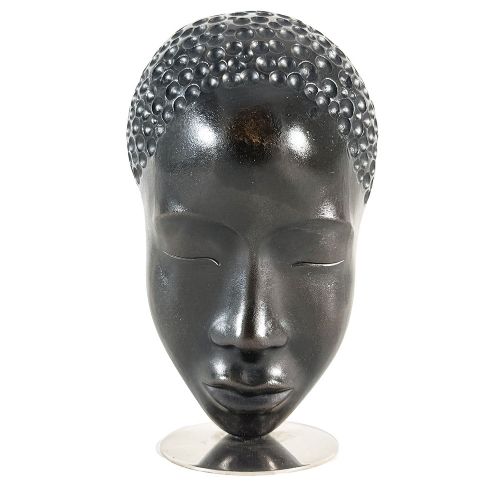
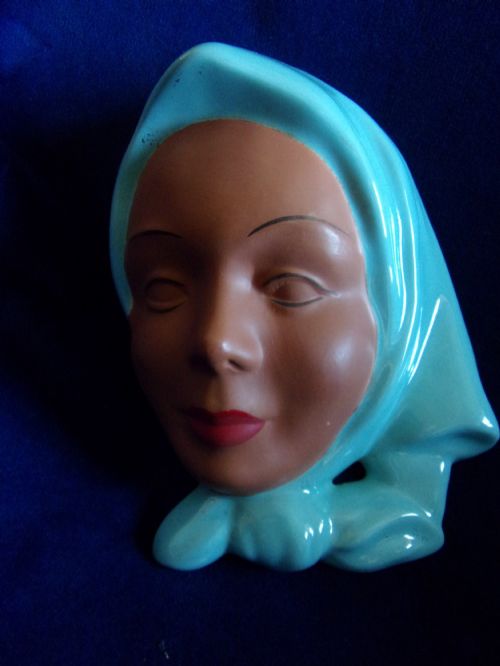
An art deco bust captures the sleek geometry and stylised elegance of the interwar years, offering a striking sculptural focal point for any interior.
Art Deco Bust
When you search for an art deco bust, you encounter sculptural representations of human and animal forms executed in distinct twentieth-century styles. The selection frequently includes French shop display pieces, advertising mannequins, and portrait sculptures originating from the nineteen-twenties and nineteen-thirties.
Beyond commercial shop counters, these pieces manifest as decorative objects, wall masques, and functional bookends. Terracotta, plaster, and bronze versions dominate the selection, often mounted on marble bases or integrated into domestic settings as powder puff dolls and pin cushion heads.
How they were made
Makers utilised a diverse palette of materials, casting metals such as bronze and brass, while moulding plaster and terracotta into smooth, stylised contours. Papier-mâché and ceramics also served as primary mediums for commercial display pieces and figurines.
Surface finish played a crucial role in defining the aesthetic, with painted details, gilding, and polished hardwood bringing out the linear qualities characteristic of the period. Carving techniques were applied directly to timber and alabaster to achieve sharp geometric planes.
Art Deco Bust Retail Price Guide 2026
Typical asking prices for art deco bust among the pieces listed under this phrase on Sellingantiques today, from the lower quarter to the upper quarter. They describe what is for sale here now, not the wider market.
William Shakespeare shares shelf space with Balinese dancers and Parisian lingerie models.
What varies in quality
The distinction between standard commercial output and superior execution lies in the sharpness of the casting and the sensitivity of the carving. Finer examples display meticulous attention to facial expression and hair styling, whereas lesser pieces rely on generic moulding.
Materials dictate the calibre of the piece, with heavy patinated bronzes and hand-painted terracotta figures holding greater visual weight than mass-produced plaster or papier-mâché items. Signed works by recognised sculptors naturally distinguish themselves through distinct artistic execution.
Georges-Charles Coudray·Gilbert Privat·Laszlo Hoenig·Fasold and Stuach·Bohumil Rezl·William Goebel·J Dommisse·Katzhutte Hertwig and Co·Frankart Inc·Lucien Gibert
The Art Deco Bust Glossary
- Terracotta
- A porous fired clay often painted or left in its natural earthy state. It served as a primary medium for portrait sculptures during the period.
- Mannequin
- A three-dimensional model of the human head or torso utilised by milliners and outfitters for shop window display. These objects often double as striking decorative sculptures today.
- Wall masque
- A sculptural mask designed to be hung directly on a vertical surface. They bring three-dimensional form to wall spaces without requiring a shelf.
- Patina
- The surface sheen or colour change developed on bronze and brass through age and oxidation. A desirable patina adds depth and character to metallic sculptures.
- Alabaster
- A fine-grained mineral stone carved into smooth decorative objects. Its translucent quality allows light to penetrate the surface gently.
Art Deco Bust: Frequently Asked Questions
Where were art deco bust displays used?
Many of these pieces served practical commercial purposes in high street shop windows and on interior counters. Milliners and fashion houses utilised them to showcase hats, garments, and accessories to potential customers.
Over time, these functional advertising items transitioned into domestic interiors as collectors recognised their strong sculptural presence. Today they sit comfortably on mantelpieces, desks, and bookshelves as standalone works of art.
How do I clean a plaster bust?
Plaster surfaces require delicate handling because the material is porous and prone to absorbing moisture or staining. Dust them gently with a soft dry brush rather than using any liquids.
Avoid abrasive cloths or chemical cleaners that might strip away original paintwork or surface finishes. Keeping them away from damp environments protects the structural integrity of the plaster.
Are bronze and brass busts heavy?
Cast metal sculptures possess substantial weight, especially when mounted on solid marble bases for stability. This heft distinguishes genuine cast metal from lighter composite alternatives.
When positioning metal sculptures, ensure the supporting furniture or shelf can adequately bear the load. The weight often contributes to the secure function of pieces designed to act as bookends.
How can I tell a shop display piece apart?
Shop display items frequently feature hollow construction or specific fittings designed for counter mounting and hat placement. Their primary function was to attract the eye of the passing public in retail environments.
Domestic portrait sculptures, by contrast, focus more intently on individual character and artistic expression. Both categories share the characteristic geometric lines and stylistic conventions of the interwar period.