
Art Deco Art
Art deco art brings together geometric elegance and refined craftsmanship across furniture, jewellery, and decorative objects.
Art Deco Art
When searching for art deco art, buyers encounter a diverse selection of items spanning jewellery, furniture, lighting, and sculpture. These objects originate predominantly from the 1920s and 1930s, alongside specific French and English interpretations.
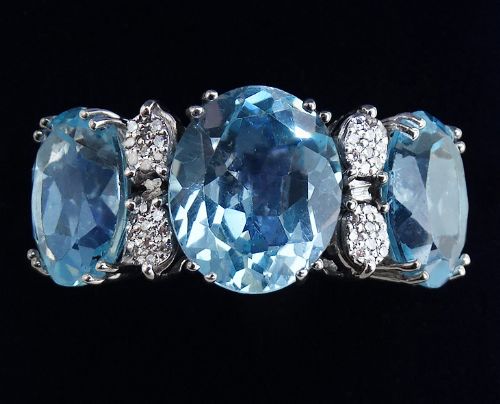
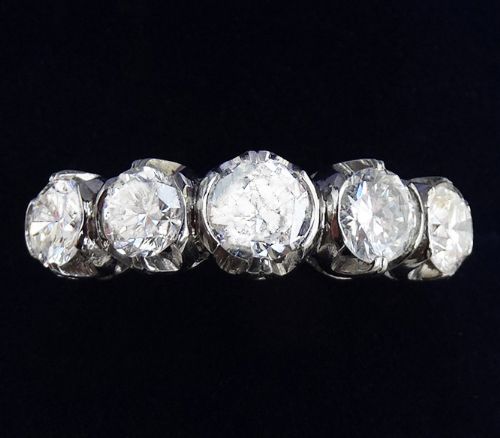
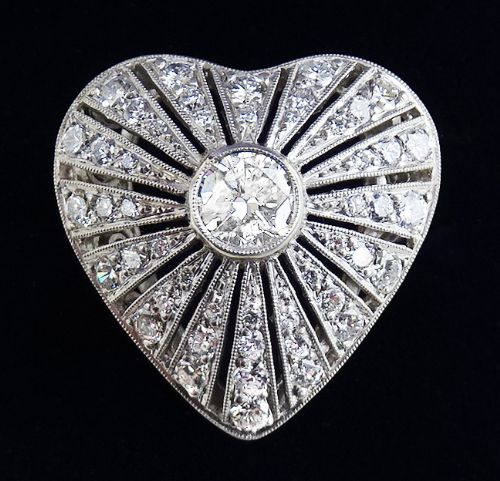
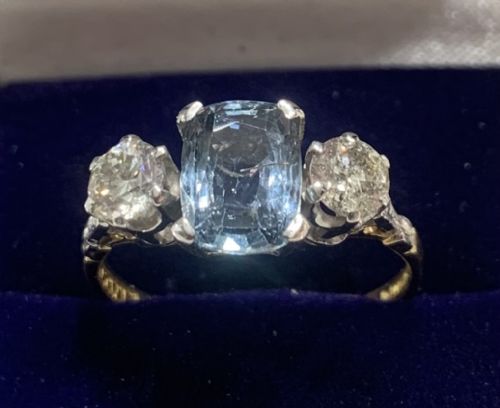
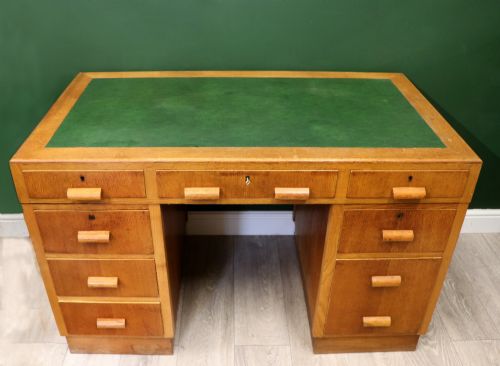
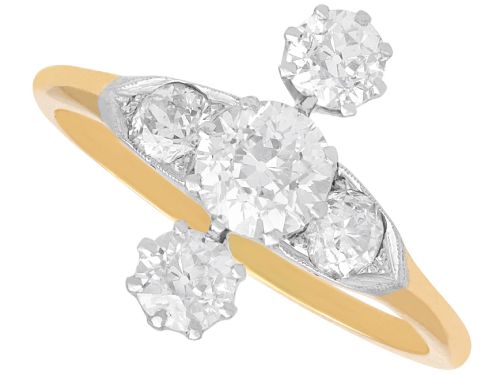
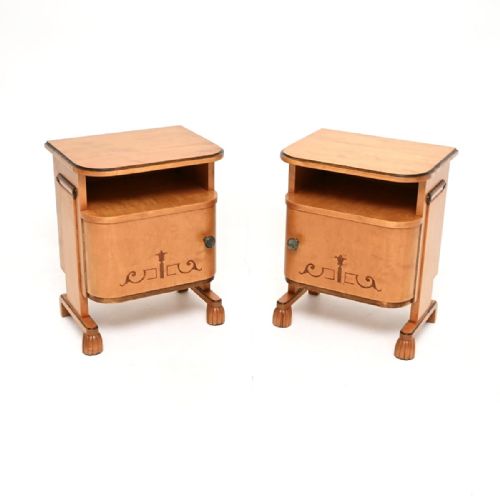
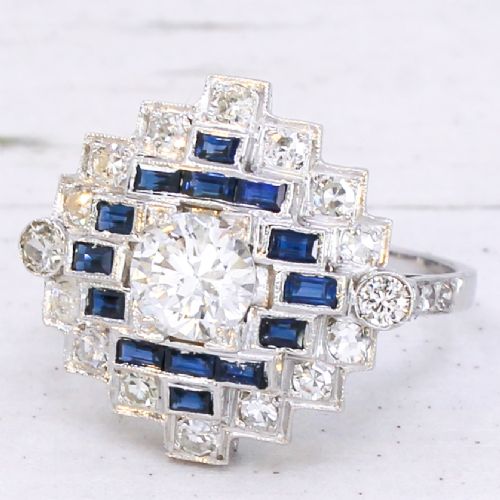
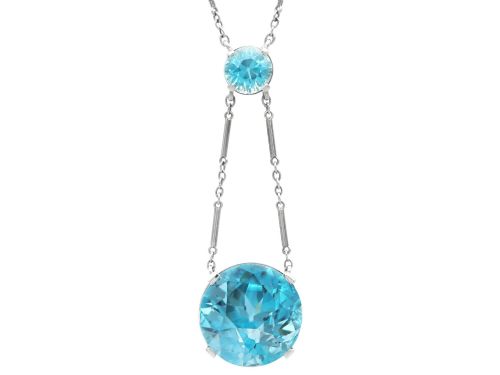
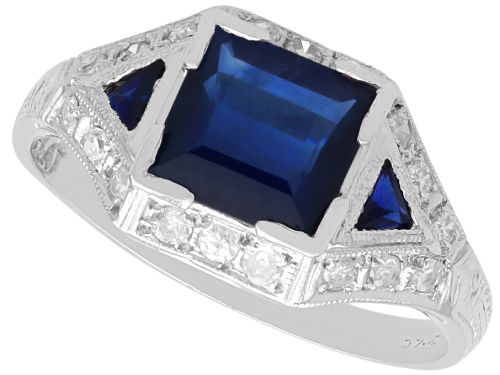
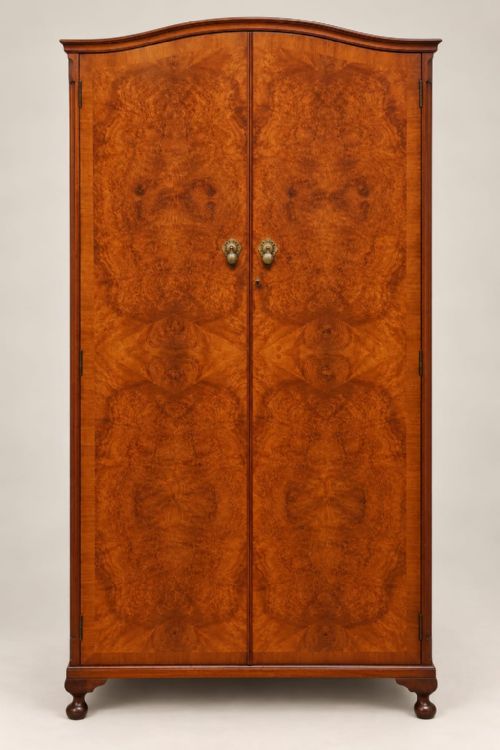
Rings, brooches, and pendants dominate the jewellery selections, featuring platinum and white gold set with diamonds, sapphires, and emeralds. Furniture pieces like burr walnut wardrobes, oak bureau bookcases, and occasional chairs represent domestic interior design from the period.
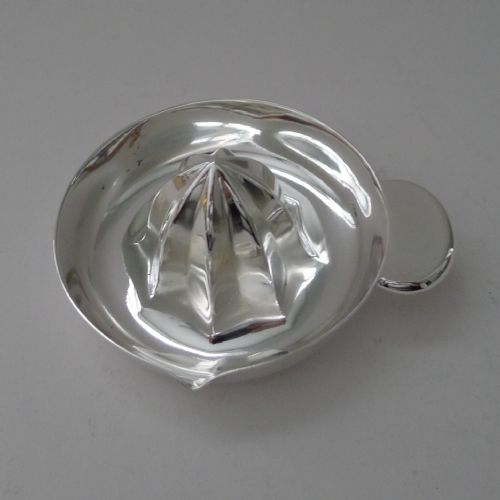
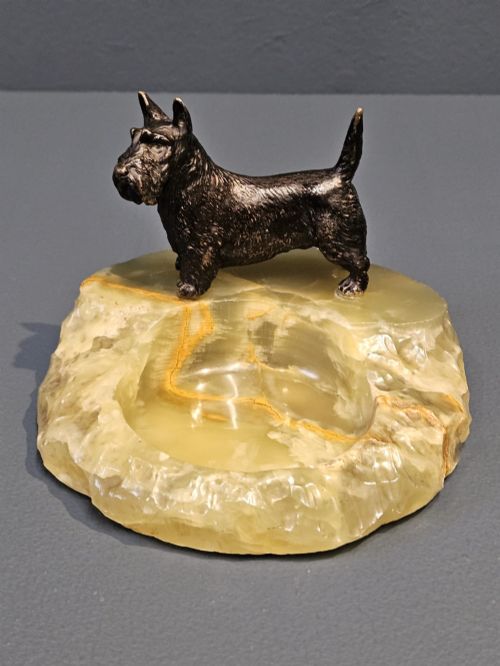
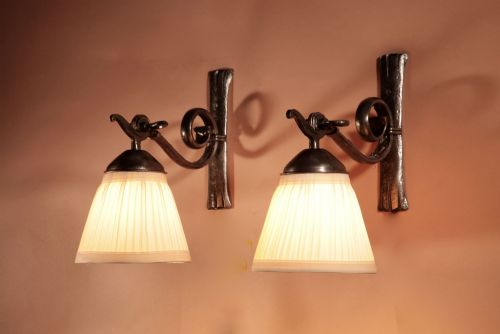
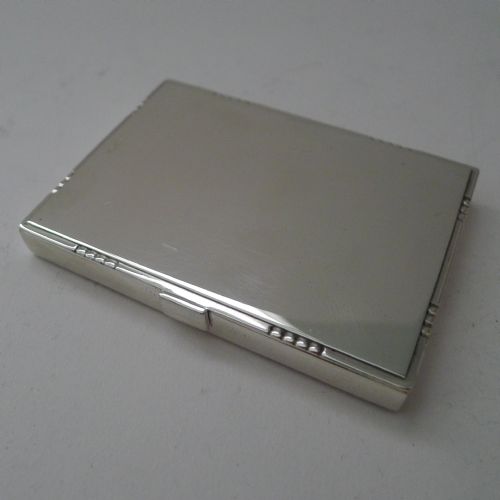
Decorative objects include bronze and alabaster sculptures, brass wall lights, and sterling silver tableware. French art deco expressions appear through oil paintings and wrought iron coffee tables, demonstrating the broad scope of the style.
Materials and construction
Makers utilised precious metals such as platinum, 18ct white gold, and sterling silver alongside durable brass and wrought iron for structural frames and settings. Gemstones including diamonds, rubies, sapphires, zircons, and jade were precisely cut into geometric shapes to fit channel and cluster mountings.
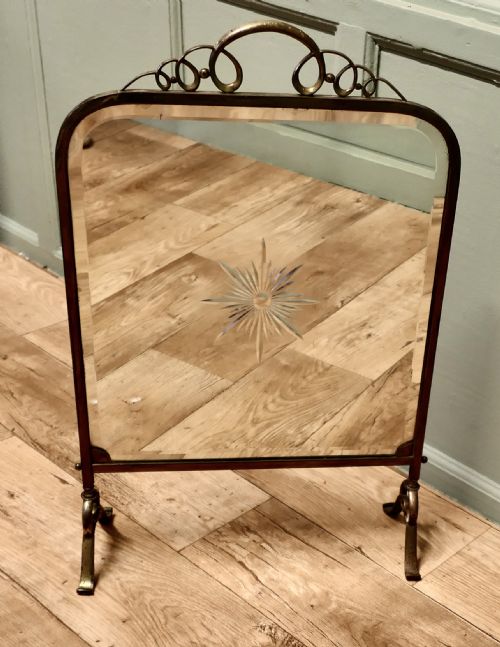
Cabinet makers employed burr walnut, amboyna, and oak veneers to construct wardrobes, display cabinets, and nesting tables with clean, streamlined silhouettes. Sculptors cast figures in spelter and carved intricate details into alabaster, while glassmakers produced specialised shades for wall lights and mirrors.
Factors determining quality
Quality rests upon the precision of geometric cuts in gemstones and the integrity of metalwork settings in platinum or gold. Superior jewellery pieces exhibit balanced stone symmetry and secure flush or bead settings that hold intricate diamond and sapphire clusters.
In furniture and decorative objects, distinction lies in the selection of wood veneers like burr walnut and the execution of structural joinery. Original components, uncompromised patination, and maker attributions elevate the standing of lighting, cabinets, and sculptures.
Georg Jensen·E Gomme·Cartier·Maurice Adams
The Art Deco Art Glossary
- Platinum
- A dense, durable precious metal utilised frequently in period jewellery settings because it holds small diamonds securely without bulky prongs. Its natural white lustre does not tarnish over time.
- Burr walnut
- A wood veneer harvested from the burl growths of walnut trees, yielding complex swirling grain patterns. Cabinet makers prized this material for decorative furniture surfaces during the interwar years.
- Spelter
- An alloy primarily of zinc used as a cost-effective substitute for bronze in decorative sculptures. Figures cast in this material were typically painted or patinated to simulate heavier metals.
- Ballerina ring
- A cluster ring design featuring a central diamond encircled by a radiating halo of tapered baguettes. The arrangement mimics the tutu of a ballerina.
- Trilogy ring
- A ring set with three stones, usually diamonds, representing the past, present, and future. This setting style gained immense popularity during the early twentieth century.
Art Deco Art: Frequently Asked Questions
How do I identify genuine pieces?
Examine the construction methods, hallmarks, and material choices typical of the interwar decades. Genuine items exhibit period-specific styling, such as strict geometric symmetry and stylized motifs.
Look closely at the settings on jewellery and the timber selection on furniture to confirm authenticity against known manufacturing practices of the era.
Were these items used daily?
Many objects, including silver hip flasks, cocktail trays, and nesting tables, served functional roles in daily domestic life. Jewellery pieces were worn for social occasions and evening events.
Over time, utilitarian items transitioned into decorative display pieces while retaining their original mechanical and structural integrity.
How should I care for furniture?
Maintain wooden surfaces by dusting gently with a dry cloth and avoiding exposure to direct sunlight or fluctuating humidity. Protect delicate veneers like burr walnut from excessive moisture.
Apply specialist wax sparingly when the timber appears dry, following the direction of the natural grain to preserve the finish.
What defines French variants?
French interpretations often incorporate luxurious materials such as wrought iron, specialised glass, and rich oils depicting figurative subjects. These designs emphasise avant-garde artistic expression alongside rigorous craftsmanship.
Such pieces frequently bridge fine art and decorative utility, distinguishing themselves from more restrained domestic British counterparts.