
Art Deco 18ct Gold Ring
An art deco 18ct gold ring brings together geometric precision and warm precious metal, prized for its distinctive period character.
Art Deco 18ct Gold Ring
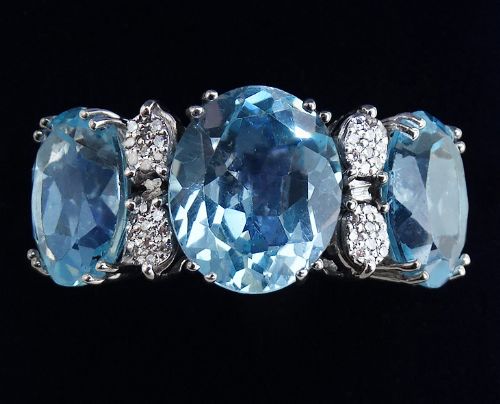
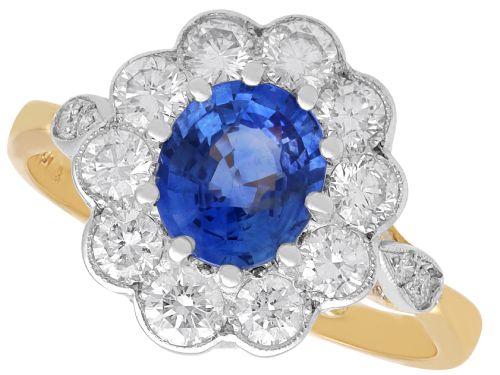
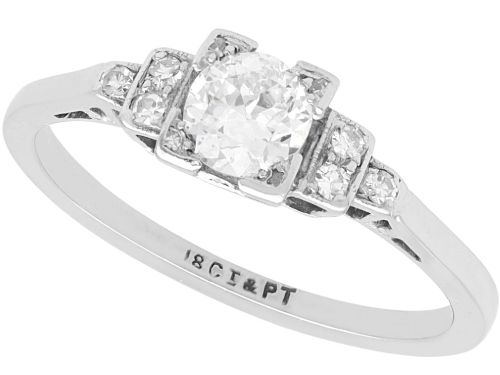
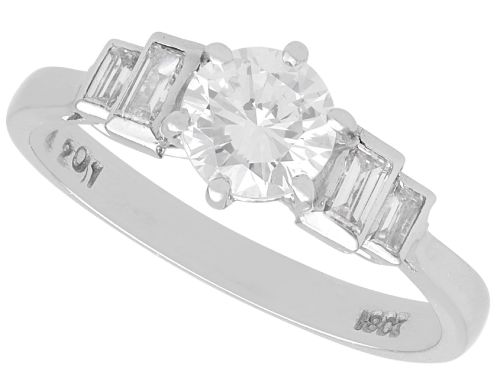
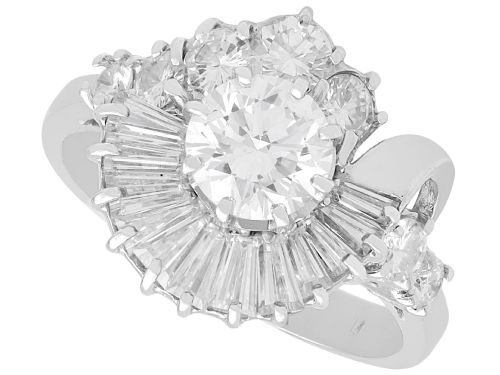
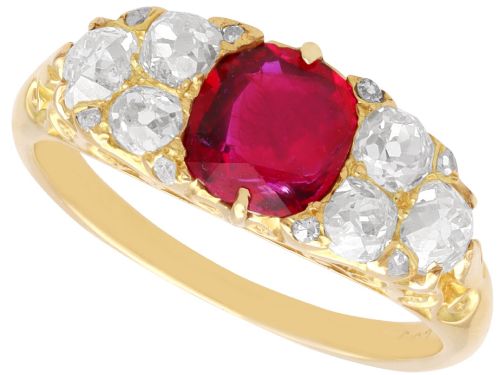
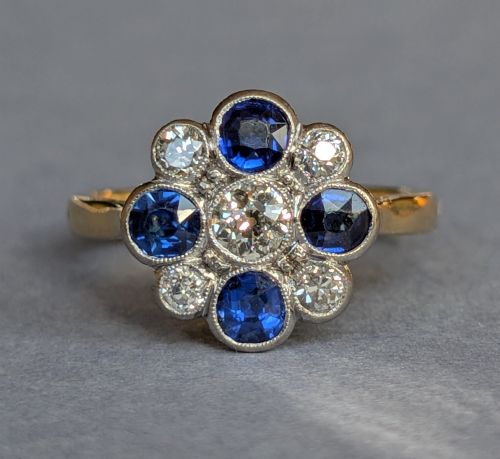
An art deco 18ct gold ring embodies the design ethos of the interwar years, focusing on symmetry, clean lines and architectural motifs. These pieces range from delicate solitaire diamond engagement rings to elaborate multi-stone cluster designs featuring sapphires, rubies and emeralds.
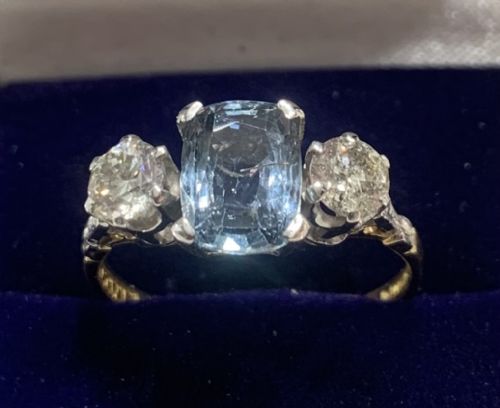
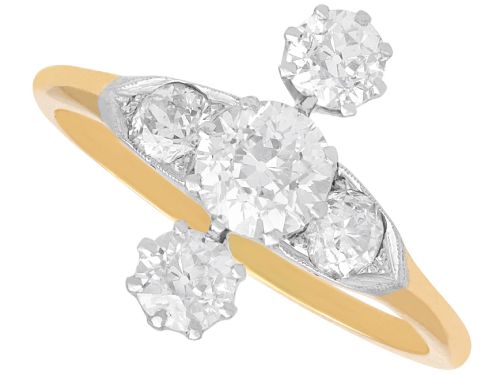
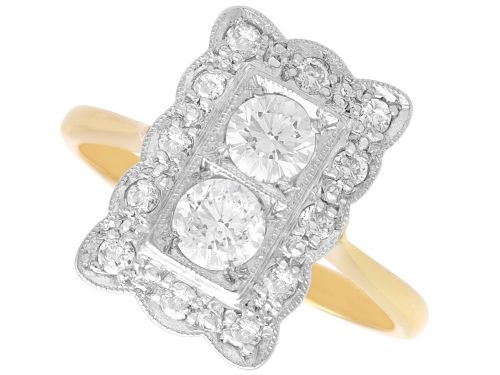
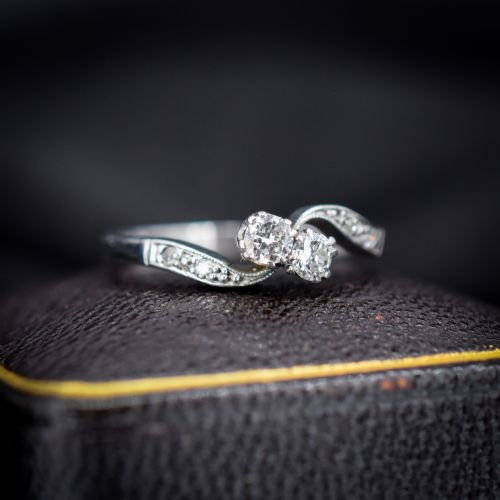
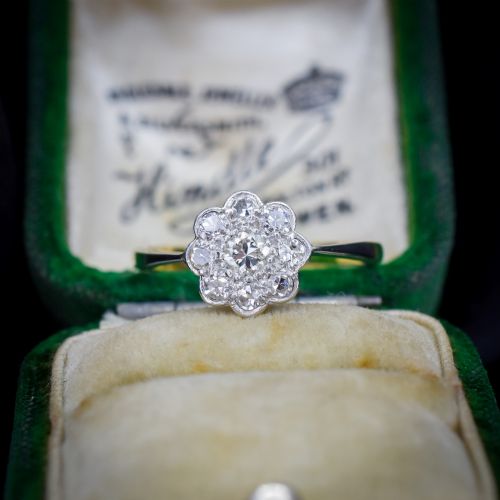
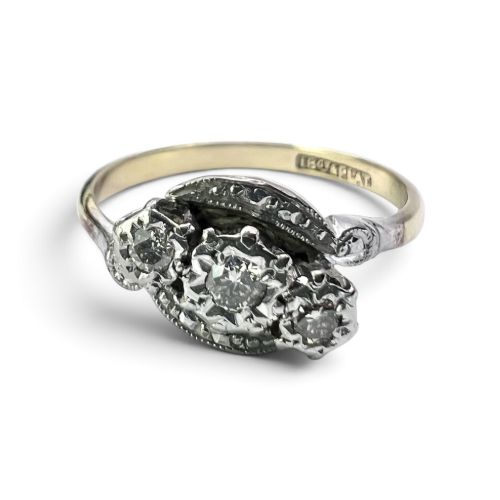
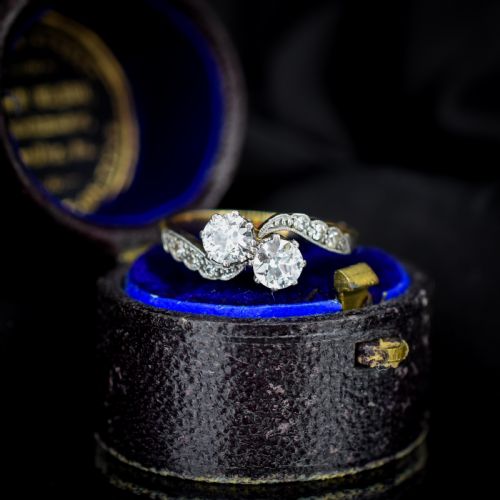
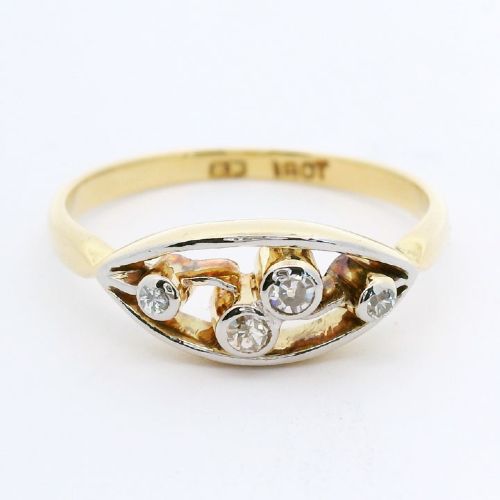
The inventory on this page spans predominantly from the 1920s and 1930s, alongside transitional Edwardian pieces and later mid-century reinterpretations. Common configurations include traditional three-stone trilogy settings, romantic toi et moi twists and striking geometric target rings.
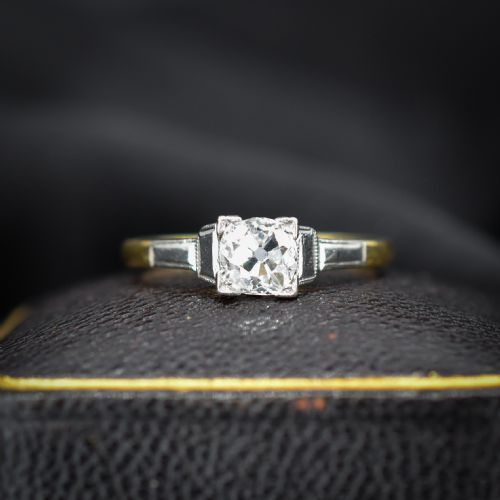
Makers and workshops from this era utilised the high ductility of 18ct gold alongside platinum to mount stones securely while minimising visible metal. Buyers encounter both yellow and white 18ct gold variations, often paired with contrasting platinum settings to enhance the brilliance of old cut diamonds.
How They Were Made
Craftsmen built these rings using 18ct yellow and white gold, frequently combining platinum on the upper surface to provide a durable, bright white claw or illusion setting for diamonds. This dual-metal technique maximised structural strength without sacrificing the warmth of the gold shank.
Gemstones such as diamonds, sapphires and rubies were shaped into old European cuts, emerald cuts, and calibre cuts designed to fit flush within geometric channels. Master jewellers utilised millegrain edging and delicate hand-pierced openwork galleries to create intricate texture along the band.
Some stones fit so snugly together they gossip in secret geometric dialects.
What Varies in Quality
Quality rests upon the precision of the stone setting and the integrity of the original geometric milling. Superior examples retain crisp millegrain beads and tight flush-fitting calibre stones without gaps in the metalwork.
The choice of gemstones dictates the upper tier, particularly natural unheated sapphires, vivid rubies and well-matched old cut diamonds with high clarity. Subtlety of proportion and the harmonious balance between the 18ct gold body and platinum top separate standard production from exceptional jeweller work.
The Art Deco 18ct Gold Ring Glossary
- Calibre cut
- Gemstones specifically shaped and cut to fit tightly into geometric channels without visible metal separating them. This technique defines crisp linear patterns in period jewellery.
- Millegrain
- A decorative technique featuring a row of tiny raised metal beads along the edge of a setting. It softens harsh metallic lines and adds a refined textural border.
- Old cut
- Diamond cutting styles pre-dating modern brilliant facets, characterised by high crowns and small tables. These stones cast a softer, candlelit glow under artificial light.
- Toi et moi
- A ring style featuring two main gemstones resting side by side, translating from French as you and me. It symbolises two souls united.
- Trilogy ring
- A ring set with three principal gemstones representing the past, present and future. They commonly use graduated diamonds or alternate with coloured stones.
Art Deco 18ct Gold Ring: Frequently Asked Questions
How do I identify an authentic period ring?
Authentic period pieces show hand-finished gallery work, genuine old cut stones, and hallmarks appropriate to 18ct gold standards of the early twentieth century.
Close inspection under magnification reveals the subtle wear patterns and hand-beaded millegrain characteristic of historical workshop production rather than modern casting.
Can these rings be resized easily?
Most 18ct gold bands allow for traditional resizing by a skilled jeweller without compromising the structural integrity of the shoulders.
Intricate gallery work or continuous calibre-cut stones around the band require careful assessment to prevent damage to the surrounding gemstone settings.
What is the difference between yellow and white gold versions?
Yellow 18ct gold offers a traditional warm tone favoured in earlier Edwardian and 1920s designs, while white 18ct gold and platinum combinations provide a cooler backdrop.
Both compositions utilise the same gold purity content, differing only in the alloy mixtures used to achieve the desired metallic colour.
How should I care for an antique gemstone ring?
Regular cleaning with warm soapy water and a soft brush helps maintain the brilliance of diamonds and durable precious stones like sapphires.
Softer gems or items with open-backed settings benefit from professional inspection to ensure claws remain secure and protected from knocks.