




Architectural Stone Planters
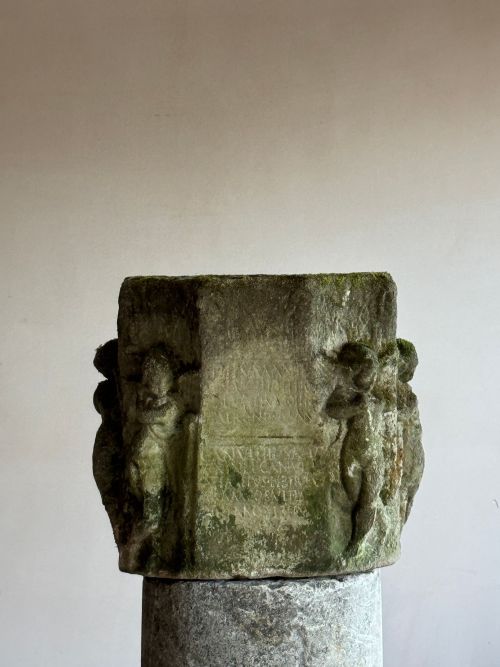
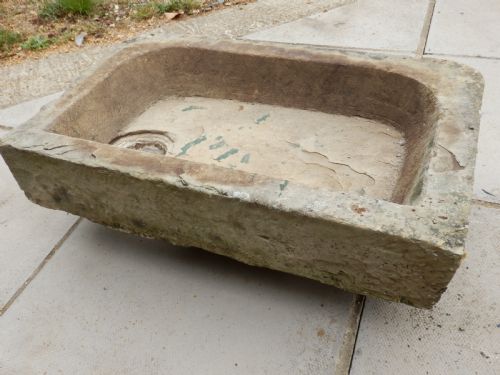
Architectural stone planters bring heavy mass and garden presence, transforming courtyards with troughs, pedestals, and carved stone baskets.
Architectural Stone Planters
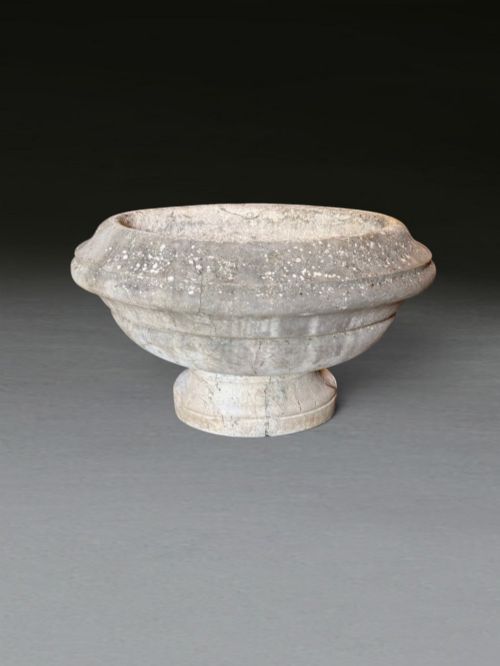
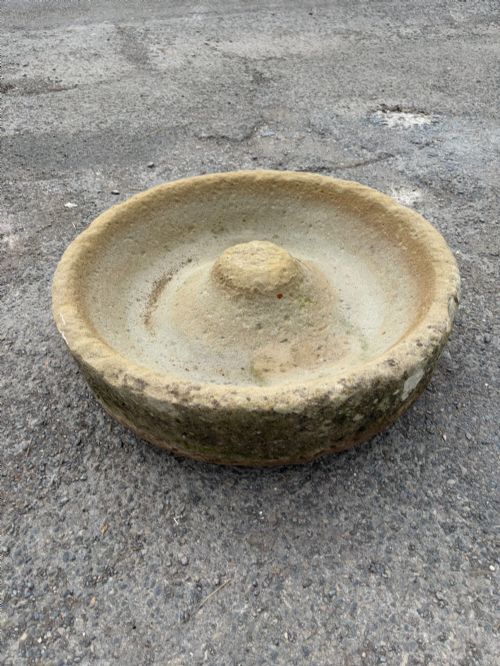
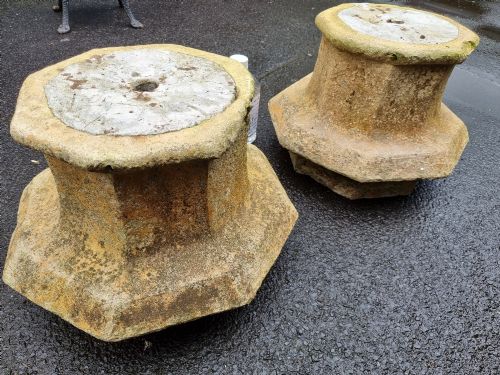
Architectural stone planters encompass heavy utilitarian vessels adapted for horticulture, ranging from reclaimed troughs and mortars to classical plinths. When searching for architectural stone planters, a buyer encounters forms derived from agricultural and domestic use, including granite grindstones, millstone bases, and chimney pots.
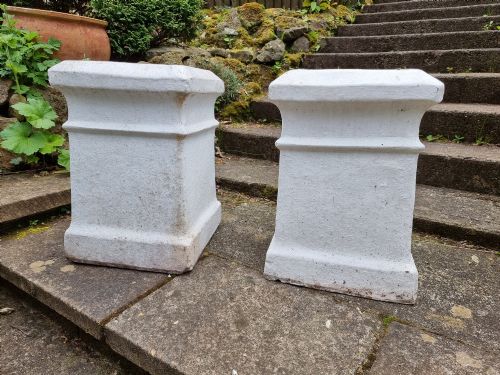
The pieces appearing on this page span several centuries, with the nineteenth century providing the majority of examples alongside eighteenth-century items and earlier remnants. Forms include garden troughs, pedestals, and carved stone baskets, often originating from utilitarian or architectural contexts before finding a place in garden design.
How they were made
Stonemasons shaped these pieces using natural materials such as sandstone, limestone, granite, and terracotta, relying on manual cutting and carving techniques. Earlier and traditional items show the direct chisel marks of hand-worked rock, reflecting utilitarian fabrication methods.
Later examples incorporate composite stone, cast stone, and reconstituted stone poured into moulds to replicate traditional masonry forms. This method allowed workshops to produce architectural elements like Gothic style garden plinths and Roman funerary altar replicas with consistent detail.
Architectural Stone Planters Retail Price Guide 2026
Typical asking prices for architectural stone planters among the pieces listed under this phrase on Sellingantiques today, from the lower quarter to the upper quarter. They describe what is for sale here now, not the wider market.
One listed planter incorporates stone salvaged directly from the Houses of Parliament after wartime damage.
What varies in quality
The distinction between ordinary and superior examples lies in the character of the material and the integrity of the carving. Hand-carved items display a crispness of detail and depth of working that mechanical moulding cannot replicate, giving carved stone baskets and troughs distinct visual weight.
Provenance and historical integrity also separate pieces within this category. Items retaining authentic utilitarian wear, such as weathered millstone bases and reclaimed stone from significant historical structures, carry a depth of material history absent in routine reproductions.
The Architectural Stone Planters Glossary
- Composite stone
- A manufactured material combining crushed stone and binders, utilised for durability in garden ornaments.
- Garden trough
- A long, deep vessel originally intended for feeding livestock or domestic washing, now repurposed for planting.
- Mill stone base
- The solid lower support of a millstone, repurposed as a low, circular architectural element in gardens.
- Terracotta
- Fired clay material possessing a characteristic porous body and warm reddish hue, used across various periods for garden vessels.
Architectural Stone Planters: Frequently Asked Questions
How do I choose the right size planter?
Consider the scale of your outdoor space and the weight of the stone vessel. Larger troughs and pedestals require solid foundations and careful placement.
Heavier materials like granite and sandstone offer stability in exposed positions but demand mechanical assistance during installation.
Can these stone planters stay outside in winter?
Most natural stone and cast stone pieces withstand freezing temperatures well. However, trapped moisture inside deep vessels can cause cracking during severe frosts.
Ensure proper drainage holes remain clear and elevate heavy items slightly off the ground to prevent water retention.
How do I clean an old stone planter?
Gentle brushing with water removes loose dirt while preserving the natural weathering and patina accumulated over decades. Avoid harsh chemical cleaners that strip the historic surface.
Allow biological growth like lichens to remain, as they contribute to the authenticity and visual character of older garden antiques.
What is the difference between cast stone and natural stone?
Natural stone is quarried directly from the earth and hand-carved by stonemasons, showing individual tool marks and geological variations. Cast stone is manufactured by pouring a mixture of aggregate and cement into a mould.
Both materials provide durability, but hand-carved pieces from earlier centuries carry unique historical craftsmanship.