


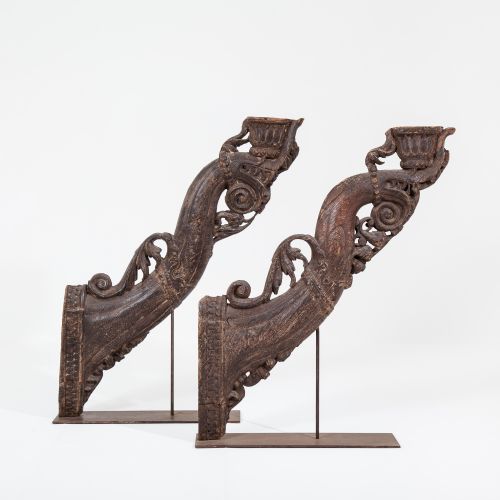


Architectural Salvage Shelf
These architectural salvage shelf pieces bring historic timber, iron and plasterwork directly into modern rooms as functional display ledges.
Architectural Salvage Shelf
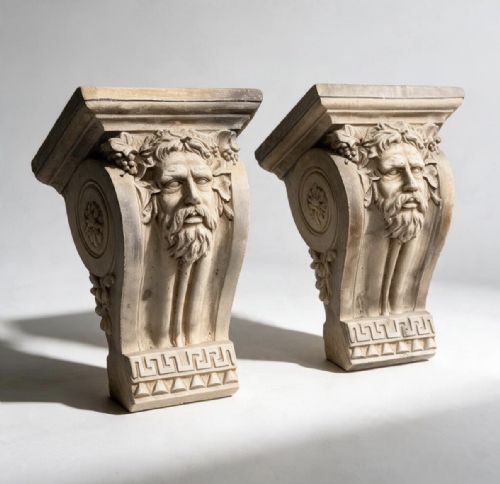
When you search for an architectural salvage shelf, you encounter structural fragments and decorative elements repurposed for interior display. These items originate as overdoor pediments, overmantel panels, wall brackets, corbels and console shelves salvaged from older buildings.
The selections span the eighteenth century, the nineteenth century and the early twentieth century, taking forms from simple cast iron brackets to heavy carved timber pediments. You will frequently meet Victorian pieces alongside Georgian and earlier continental examples.
Many of these objects combine utility with ornament, transforming exterior or structural supports into practical wall-mounted shelving. Their original architectural context dictates their depth, length and weight-bearing capacity upon your wall.
Materials and construction methods
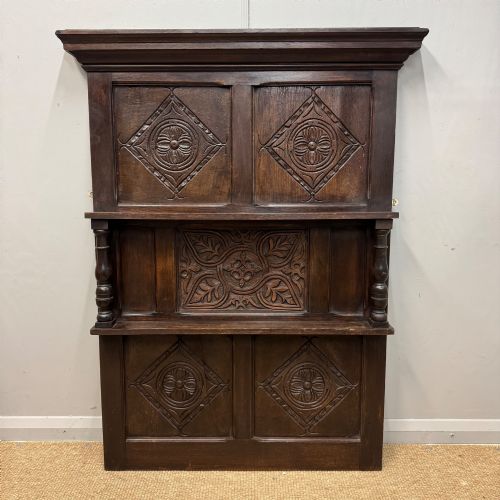
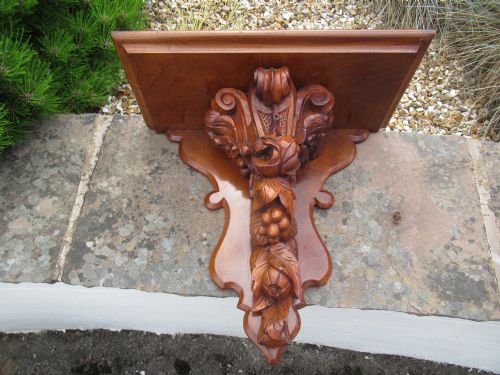
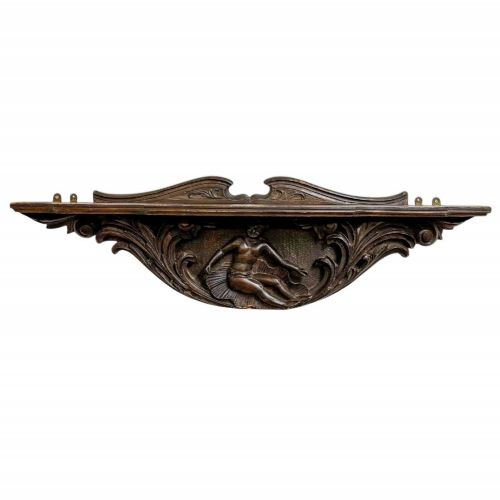
Carpenters and joiners worked with solid hardwoods including oak, walnut, pine and pollard oak, using hand-carved techniques to shape detailed scrolls, foliage and figural corbels. These wooden elements often retain traces of historic paint finishes or polished grains.
Foundries cast molten metal into robust iron wall brackets and sink supports, frequently incorporating decorative motifs like dragons or horses' heads into the functional framework. Wrought iron pieces demonstrate hand-forged scrollwork and structural joints.
Plaster and composition mouldings provide intricate relief work for wall brackets and architectural panels, offering crisp ornamental detail intended to mimic carved stone or timber.
Architectural Salvage Shelf Retail Price Guide 2026
Typical asking prices for architectural salvage shelf among the pieces listed under this phrase on Sellingantiques today, from the lower quarter to the upper quarter. They describe what is for sale here now, not the wider market.
Current listings feature architectural salvage shelf items spanning the eighteenth century through to the 1930s, constructed from cast iron, wrought iron, oak, walnut, pine and plaster.
Assessing quality in salvaged architecture
The depth of carving and crispness of detail separate standard utility brackets from exceptional sculptural works. Pieces shaped by skilled hands display organic flow in foliage and proportion in figural elements like putti.
The integrity of the material dictates longevity, with dense timbers and heavy cast iron maintaining structural stability through centuries of use. Original surfaces and untouched historic paint add depth that modern refinishing removes.
The Architectural Salvage Shelf Glossary
- Corbel
- A structural projection from a wall designed to support a weight above it. In salvage pieces, these often form the primary support beneath a display shelf.
- Pediment
- A triangular or segmental architectural gable placed above a door, window or overdoor panel. Salvaged pediments frequently incorporate a shelf along their upper ledge.
- Overmantel
- A decorative panel or framework situated above a fireplace mantelpiece. These items provide wide horizontal surfaces suited for wall mounting.
- Putto
- A figure of a small infant, frequently winged, carved into decorative woodwork or plasterwork. These appear as sculptural ornaments on brackets and corbels.
- Pollard oak
- Timber harvested from trees that were cut back to promote a dense head of branches, creating a distinctive knotted grain pattern. This wood appears in decorative furniture and architectural panels.
Architectural Salvage Shelf: Frequently Asked Questions
How do I mount a heavy salvage shelf?
These items require secure fixing into masonry walls or direct attachment to wooden wall studs due to their substantial weight in cast iron or dense timber. Proper load-bearing brackets ensure safety when displaying objects on the ledge.
Consult a professional builder if the fixing points on the original iron or wood do not align with standard modern wall stud spacings.
What is an overdoor pediment shelf?
An overdoor pediment is a decorative architectural element originally positioned above a doorway to frame the passage. Many examples feature a flat top surface that functions well as a display shelf.
These pieces bring significant historical presence and width to an interior wall arrangement.
How do I clean historic painted iron?
Gently dust the surface with a dry, soft-bristled brush to remove accumulated debris without disturbing fragile layers of historic paint. Avoid harsh chemical solvents that strip original patination from iron and timber.
Applying a light microcrystalline wax can protect exposed metal and wood surfaces from environmental moisture.
How do I date an architectural shelf?
Examine the tool marks, wood species, and casting methods to determine the period of manufacture. Eighteenth-century pieces often show hand-Hewn tool marks, while Victorian examples frequently display machine-assisted joinery alongside ornate Gothic Revival motifs.
Stylistic cues such as neoclassical symmetry or robust Victorian proportions also help establish the era of origin.