





Architectural Salvage Rose
Architectural salvage rose pieces bring genuine historical character into a room, offering robust cast iron, carved oak, and intricate glass details.
Architectural Salvage Rose
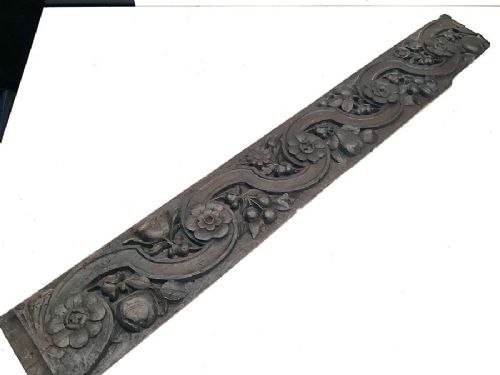
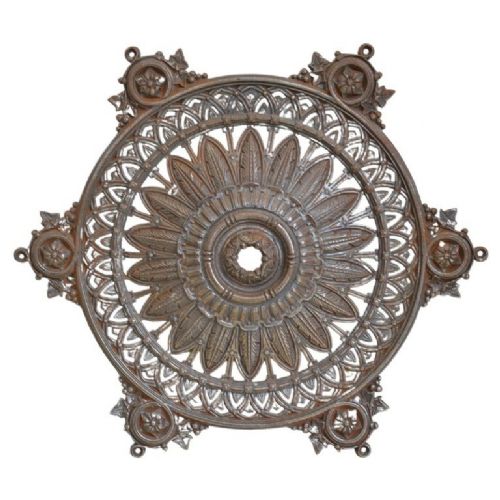
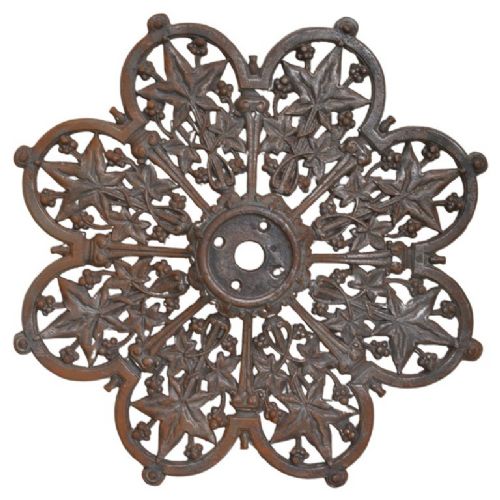
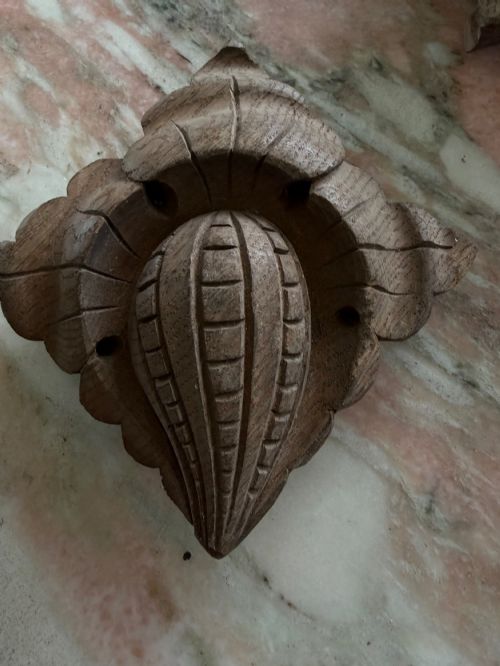
When you search for architectural salvage rose, you are looking at ornamental ceiling fixtures, bosses, and panels recovered from older buildings. These architectural salvage rose elements range from heavy metal castings to hand-carved wooden bosses originating across several centuries.
The versions you are most likely to meet on this page belong to the Victorian period and the eighteenth century. Cast iron designs with ivy or feather motifs appear alongside carved oak panels displaying Tudor and Gothic influences.
Other variations include unusual glass pieces and cast brass hardware designed for ceilings and lighting. Each object reflects the decorative priorities of its original architectural context, whether domestic or ecclesiastical.
What varies in quality
The crispness of the casting or the depth of the hand-carving separates standard examples from exceptional pieces. Sharply defined leaf veins in cast iron and deep, clean undercut relief in timber indicate superior craftsmanship.
Material choice and the preservation of original surface textures also drive the distinction across the range. Intact lead lines in glass panels and well-preserved metal patination retain the integrity of the original manufacture.
Architectural Salvage Rose Retail Price Guide 2026
Typical asking prices for architectural salvage rose among the pieces listed under this phrase on Sellingantiques today, from the lower quarter to the upper quarter. They describe what is for sale here now, not the wider market.
Listings feature periods spanning from the sixteenth century through to the twentieth century, utilising oak, cast iron, walnut, and glass.
The Architectural Salvage Rose Glossary
- Ceiling Rose
- A circular decorative moulding fixed to the ceiling from which a chandelier or pendant light is suspended. These often feature botanical motifs such as ivy or the Tudor rose.
- Ceiling Boss
- A projecting block of stone or carved wood set at the intersection of ribs in a ceiling. Examples here are typically carved from solid oak.
- Architectural Salvage
- Building materials and decorative elements rescued from structures slated for demolition or renovation. This encompasses everything from metal hardware to stained glass.
- Tudor Rose
- The traditional floral heraldic badge of England, frequently utilised in wood carving and decorative plasterwork. It combines white and red rose motifs.
- Gothic Revival
- An architectural movement beginning in the mid-eighteenth century that revived medieval forms. Pieces from this style often incorporate pointed arches and heavy ecclesiastical detailing.
Architectural Salvage Rose: Frequently Asked Questions
How were ceiling roses originally used?
These decorative elements were traditionally installed in the centre of a room's ceiling to anchor a light fitting and protect the plaster from heat and soot. They served as a focal point for interior ornamentation.
Over time, homeowners integrated them into various rooms to elevate the architectural depth of the interior space.
Are these pieces made of iron or wood?
The listings include both metal and wooden items, depending on the period and function. You will find cast iron and brass pieces alongside hand-carved oak and walnut panels.
Each material dictates the specific technique used, from metal casting to manual timber carving.
How do I identify a Victorian piece?
Victorian items frequently utilise cast iron or brass with naturalistic botanical decoration such as ivy leaves and feather motifs. These pieces reflect the industrial capabilities and decorative tastes of the nineteenth century.
Earlier items from the eighteenth century or earlier rely more heavily on carved oak and distinct Tudor or Gothic motifs.
Can I install these in a modern home?
These salvaged elements adapt well to contemporary interiors when fitted securely to standard ceilings or walls. Their historical textures provide a distinct contrast against plain modern plaster.
Ensure the mounting surface supports the weight, particularly for heavier cast iron or solid oak components.