

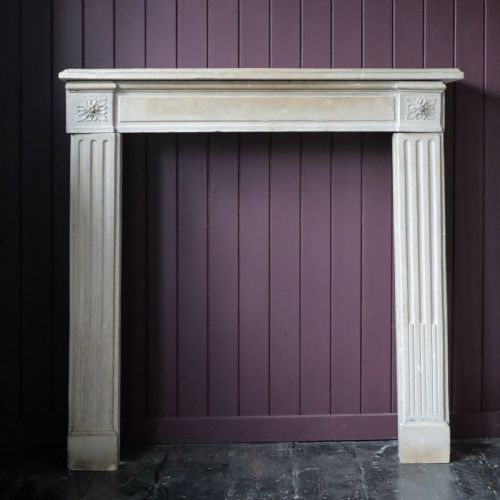


Architectural Fire Surround
An architectural fire surround anchors a room with period proportion, and these carved stone, marble, and timber examples define the focal point of any interior.
Architectural Fire Surround
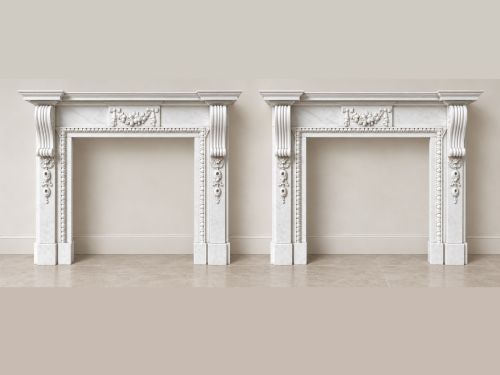
An architectural fire surround defines the hearth, bringing structural presence and decorative period detail to a room. When you search for an architectural fire surround, you encounter substantial chimneypieces ranging from restrained Georgian neoclassical designs to elaborate Edwardian marbles.
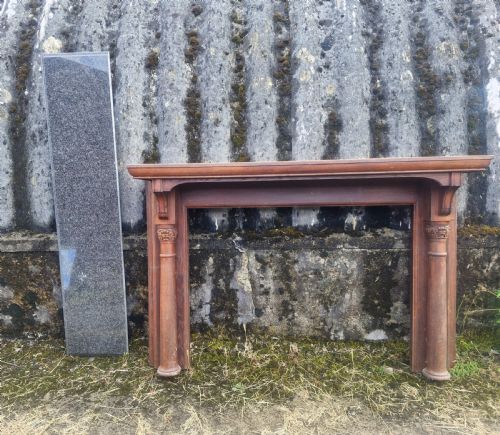
The pieces listed here span centuries, extending from fifteenth century stone examples bearing armorial bearings to twentieth century art deco mirrored timber frames. Oak, pine, white marble, and granite form the primary physical presence of these surrounds.
Victorian and Edwardian versions appear frequently, often executed in carved white statuary marble or solid oak with granite inserts. Each surviving mantelpiece records the domestic architecture and craftsmanship of its original period.
Materials and construction methods
Surrounds are constructed using traditional masonry and joinery techniques suited to the chosen medium. Stonemasons carved massive blocks of stone and white marble into classical pilasters and friezes, whilst carpenters joined dense timbers like oak and pine for warmer domestic settings.
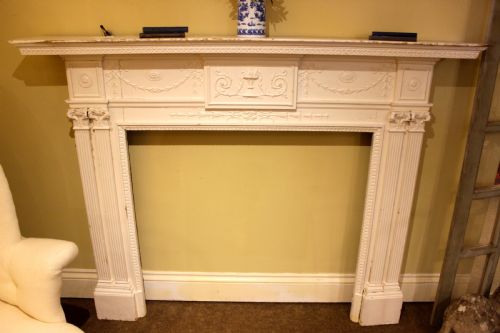
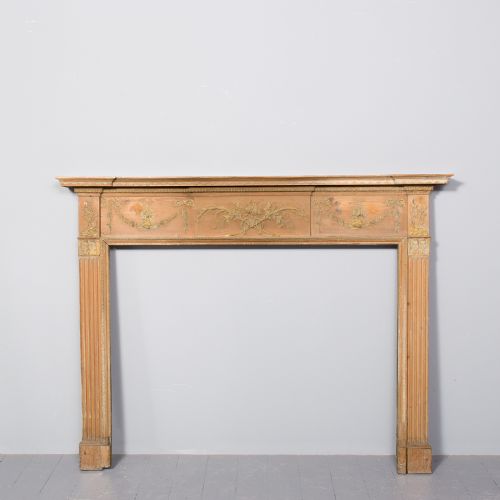
Carved gesso applied over timber provided a smooth, crisp surface for intricate gilding and paint finishes on Georgian mantelpieces. Heavier installations incorporated contrasting materials, pairing white marble or stone bodies with polished granite hearth inserts.
Architectural Fire Surround Retail Price Guide 2026
Typical asking prices for architectural fire surround among the pieces listed under this phrase on Sellingantiques today, from the lower quarter to the upper quarter. They describe what is for sale here now, not the wider market.
One extraordinary sixteenth century survival even includes an official royal coat of arms bearing the historic motto Dieu et mon droit.
Assessing quality and proportion
Quality in an architectural fire surround rests upon the depth and crispness of the carving, whether executed in stone, marble, or wood. Superior examples demonstrate confident neoclassical proportions and hand-chiselled detailing rather than mechanical or shallow relief work.
The integrity of the material itself dictates the standing of a piece, from solid statuary marble blocks to carefully selected seasoned oak. Finer surrounds integrate architectural elements like columns, friezes, and mantel shelves into a coherent classical composition.
Sir Edwin Lutyens
The Architectural Fire Surround Glossary
- Chimneypiece
- The complete architectural framework surrounding a fireplace opening, including the mantel shelf, jambs, and frieze. This term is often used interchangeably with fire surround.
- Gesso
- A plaster mixture applied to wood surfaces and carved to create crisp decorative reliefs before painting or gilding. It appears frequently on Georgian mantelpieces.
- Jamb
- The vertical upright stone or wooden post forming the side of the fireplace opening. Jambs support the heavy lintel or mantel shelf above.
- Neoclassical
- A style drawing inspiration from classical antiquity, featuring symmetrical proportions, urns, swags, and architectural columns. It dominates many Georgian and Edwardian designs.
- Statuary marble
- A fine-grained white marble favored by sculptors and masons for high-status fireplace surrounds. It takes a smooth finish and shows subtle grey veining.
Architectural Fire Surround: Frequently Asked Questions
How do I choose the right size?
Measure the height and width of your existing fire opening and wall space before selecting a surround. The proportions of the mantel must balance the scale of the room and ceiling height.
Larger spaces accommodate heavy marble or stone chimneypieces, whilst compact rooms benefit from restrained oak or painted pine frames.
Can these surrounds be fitted today?
Most antique surrounds accommodate modern inset stoves or open fires with appropriate clearance and hearth adjustments. Professional fireplace fitters adapt the internal brickwork to suit contemporary safety regulations.
Ensure your builder inspects the structural weight of stone and marble pieces prior to installation.
How do I clean marble and stone?
Dust marble and stone surrounds regularly with a soft, dry cloth to prevent dirt accumulation. Avoid acidic household cleaners that etch or damage polished marble surfaces.
Warm water with mild soap addresses most marks on sealed stone, followed by thorough drying.
How do I identify the period?
Examine the decorative motifs, tool marks, and material combinations against known design eras. Georgian pieces often display neoclassical urns and crisp gesso work, whilst Edwardian examples combine traditional carving with varied stone inserts.
Construction joints and fastener types also provide clues to the age of timber surrounds.