

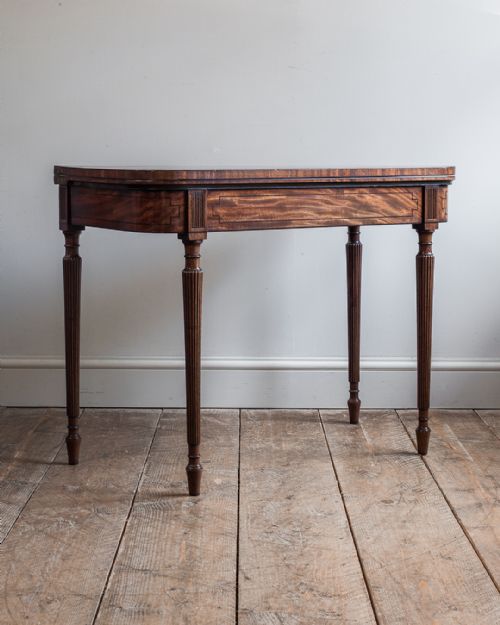

Antiqued Occasional Table
An antiqued occasional table brings portable surface space to any room, drawing on Georgian, Victorian and Edwardian craftsmanship for everyday utility.
Antiqued Occasional Table
The selection spans compact tripod and octagonal forms alongside larger sofa and drop-leaf tables. These pieces originated to serve specific domestic functions, from holding a kettle to displaying a lamp.
Makers utilised various stylistic revivals, including French Rococo, Arts and Crafts and Regency designs. The range bridges simple oak cricket tables and highly decorative marquetry centrepieces.
How they were made
Joiners and cabinet makers constructed these tables using solid hardwoods like mahogany, oak and walnut, often applying figured veneers such as burr walnut and rosewood to tabletops. Brass handles, galleries, and inlay work provided functional and decorative accents.
Carved details appear on cabriole legs, stretchers and tripod bases, while specialised techniques like marquetry and parquetry decorated elite centre tables. Turning was employed for reeded legs and pedestals on wine and lamp tables.
Antiqued Occasional Table Retail Price Guide 2026
Typical asking prices for antiqued occasional table among the pieces listed under this phrase on Sellingantiques today, from the lower quarter to the upper quarter. They describe what is for sale here now, not the wider market.
Listings feature woods spanning mahogany, oak, walnut, rosewood and satinwood across periods from Georgian to the 1920s.
What varies in quality
Quality is determined by the selection of timber figures, such as flame mahogany or burr walnut, and the precision of inlaid brass or marquetry patterns. Finer pieces demonstrate superior joinery in structural elements like stretchers and leg joints.
The sophistication of hand-carved details on cabriole legs and gallery edges separates standard utility tables from exceptional showroom pieces. The integrity of secondary woods and the balance of tripod bases also signal superior production.
Liberty and Co
The Antiqued Occasional Table Glossary
- Tripod table
- A small freestanding table supported by a central pillar above three legs. This form gained popularity during the Georgian period for flexibility in domestic spaces.
- Marquetry
- Decorative veneer work forming pictorial or geometric patterns using various woods. Craftsmen cut thin slices of different timbers to fit precisely into a prepared ground.
- Sofa table
- An elongated occasional table traditionally placed in front of a sofa. These typically feature drop leaves and double pedestals joined by a stretcher.
- Gallery
- A raised rim or railing around the edge of a tabletop. This feature originally prevented items like glassware or kettles from sliding off.
- Drop-leaf table
- A table with hinged flaps that fold down to reduce its footprint. This allows the surface to expand or contract according to immediate space requirements.
Antiqued Occasional Table: Frequently Asked Questions
Where should I put an occasional table?
These adaptable tables fit easily beside a sofa, armchair or bed to hold lamps, books and cups. Smaller tripod and wine tables suit awkward corners or narrow landings.
Larger centre tables command space in the middle of a room, while nests of tables tuck away until extra surface area is required.
How do I date an old wooden table?
Dating relies on identifying the prevailing style, timber choices and construction methods visible in the piece. Georgian designs lean towards plain oak and mahogany, while Victorian and Edwardian examples often display richer veneers and machine-assisted turning.
Secondary woods and hardware fittings also offer clues to the workshop era.
What is the difference between a wine table and a side table?
A wine table is typically a small, round tripod table designed originally to hold a single glass or bottle. Side tables generally offer a larger surface, sometimes rectangular or octagonal, suited for lamps and decorative objects.
Side tables also frequently incorporate drawers or lower tiers.
Can I use a antique table every day?
Solid timber construction and robust joinery allow these tables to handle regular daily use in modern homes. Using coasters and protecting surfaces from moisture preserves the polished finish.
Routine dusting and occasional wax care keep the wood conditioned.