

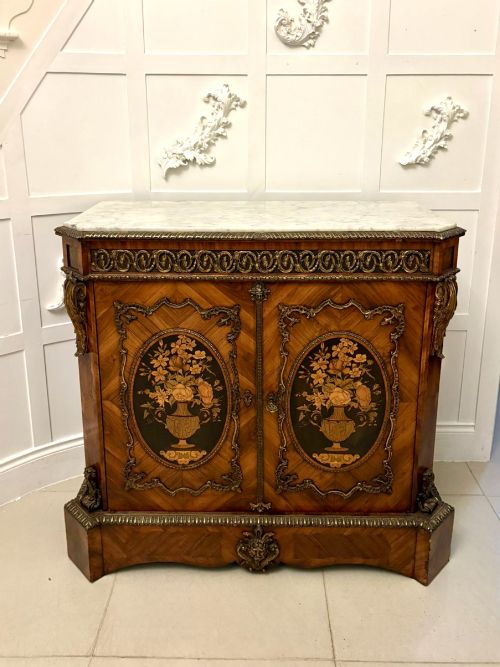

Antiqued Commode
An antiqued commode brings centuries of timber craftsmanship and storage utility to a room through Georgian, Victorian, and French provincial designs.
Antiqued Commode
When searching for an antiqued commode, buyers encounter a variety of forms including chests of drawers, bedside cabinets, and side cupboards. The selection spans distinct historical eras, most notably the eighteenth and nineteenth centuries, alongside revival pieces from the twentieth century.
The practical function remains consistent across forms, providing enclosed storage via graduated drawers or cupboard doors. Pieces range from formal Georgian mahogany designs to provincial walnut and chestnut commodes originating in France and Italy.
Chest formats dominate the listings, appearing in bow front, serpentine, and bombe profiles. Smaller bedside night tables and larger Victorian satin birch or oak storage units provide alternative scales for different interiors.
Materials and construction methods
Cabinet makers utilised dense native and exotic timbers such as mahogany, oak, walnut, and burr walnut, often complemented by satin birch, cherrywood, and elm. Crossbanding and intricate inlay work frequently accentuate the primary grain patterns.
Structural integrity relies on traditional joinery techniques, paired with hardware cast from brass or fitted with original wooden bun feet and bracket feet. Marble tops appear on specific continental commodes, adding weight and a smooth display surface to the timber carcass.
Antiqued Commode Retail Price Guide 2026
Typical asking prices for antiqued commode among the pieces listed under this phrase on Sellingantiques today, from the lower quarter to the upper quarter. They describe what is for sale here now, not the wider market.
Listings feature eighteenth-century pieces alongside nineteenth-century Victorian and Regency examples, constructed from mahogany, walnut, oak, and pine.
Evaluating craftsmanship and condition
Superior examples display crisp timber selection, particularly in burr walnut or crossbanded veneers, where grain alignment is deliberate and balanced. The handling of secondary woods inside the drawer boxes and the retention of original brass handles indicate higher workshop standards.
Proportion and execution of decorative details, such as carved bracket feet, brushing slides, or bombe shaping, distinguish standard utility furniture from finer cabinet work attributed to makers like Gillows.
Gillows·François Linke
The Antiqued Commode Glossary
- Bow front
- A convex curved cabinet front that projects outward in the centre. This shape became popular during the Georgian and Regency periods.
- Bombe
- A swelling or bulging commode profile associated with French provincial design. The sides and front curve outward in convex sweeps.
- Brushing slide
- A pull-out shelf integrated above the top drawer of a chest. It served as a surface for writing or grooming.
- Crossbanding
- A strip of veneer applied perpendicularly to the grain of the primary surface. It frames the drawer fronts or top boards on better furniture.
- Bracket foot
- A simple structural foot formed by two mitred pieces meeting at a corner. It supports chests of drawers from the Georgian era onward.
Antiqued Commode: Frequently Asked Questions
How were commodes used historically?
Historically, commodes served multiple functions within domestic interiors, acting as bedside tables, dressing chests, or general storage cabinets. The inclusion of brushing slides allowed individuals to write or sort items without standing.
Larger versions stood in bedrooms and hallways to store clothing, linens, and personal valuables securely behind timber drawers.
How do I style a commode at home?
Living with a timber commode involves placing it in bedrooms, living rooms, or hallways where its surface can display lamps, books, or mirrors. The varied timber tones of mahogany, walnut, and oak integrate easily with neutral walls and traditional or eclectic interiors.
Ensure the scale matches the room, choosing narrower bow front or bedside formats for compact spaces and larger Victorian or Georgian chests for expansive walls.
How do I tell periods apart?
Distinguishing between periods involves examining timber choices, structural proportions, and foot styles. Georgian pieces often feature clean lines, mahogany veneers, and bracket feet, while Victorian examples tend to be heavier with satin birch or darker mahogany.
Continental pieces like French provincial commodes display distinct bombe shaping, cherrywood or walnut construction, and characteristic regional carving details.