

Antique Wrought Iron Seating
Antique wrought iron seating brings rugged metalwork into the garden or fireside, offering durable benches, chairs, and fenders shaped by hand.
Antique Wrought Iron Seating
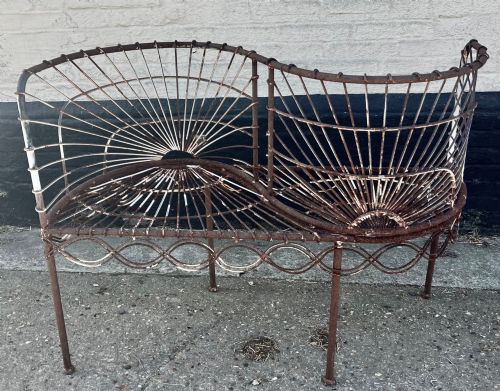
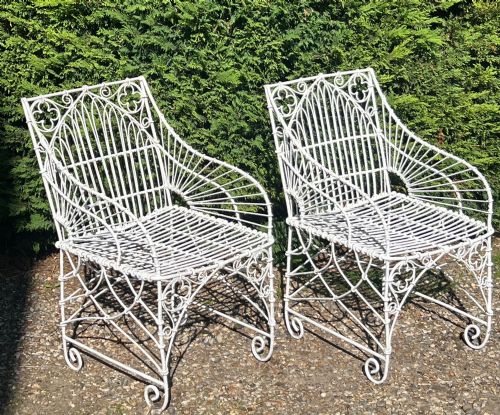
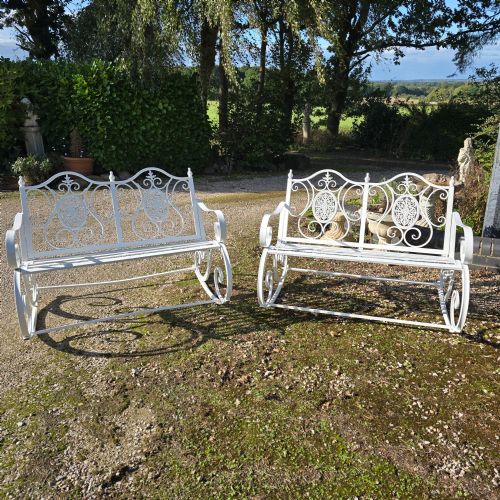
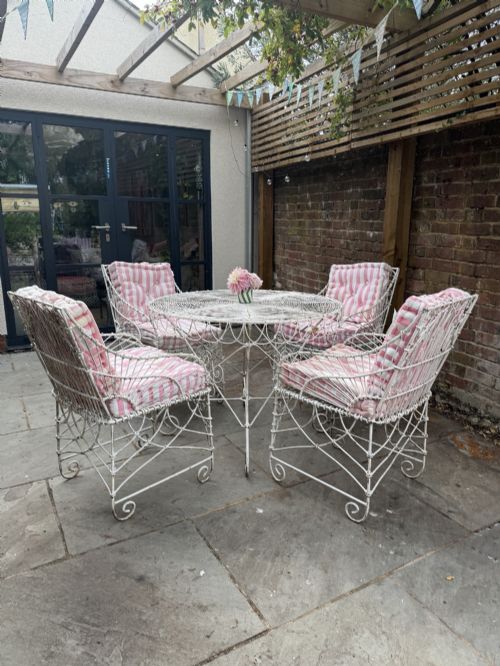
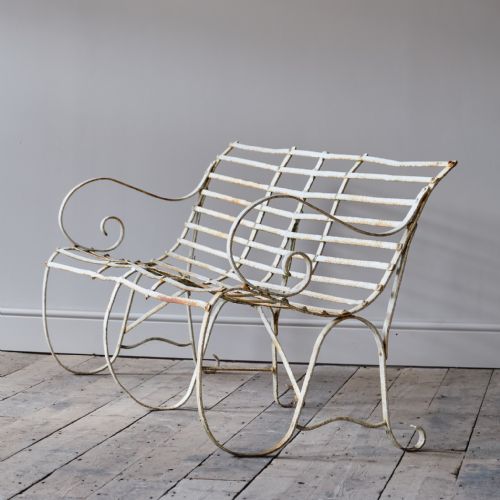
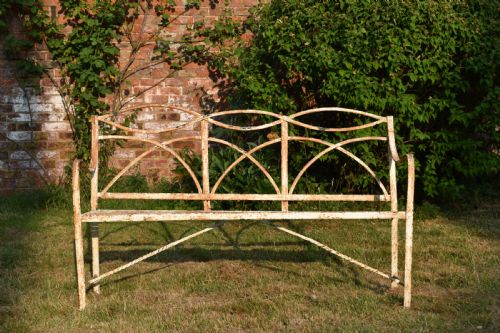
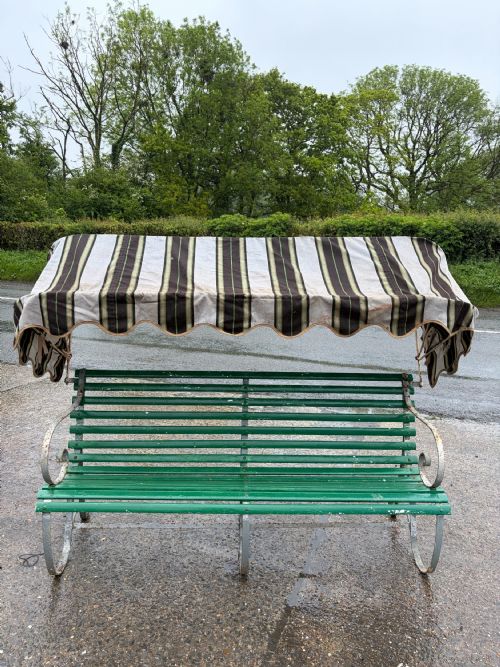
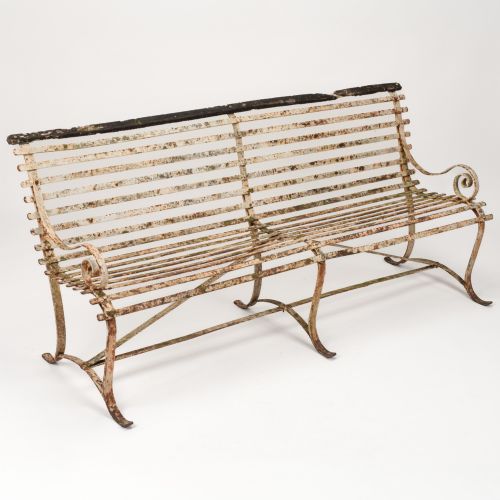
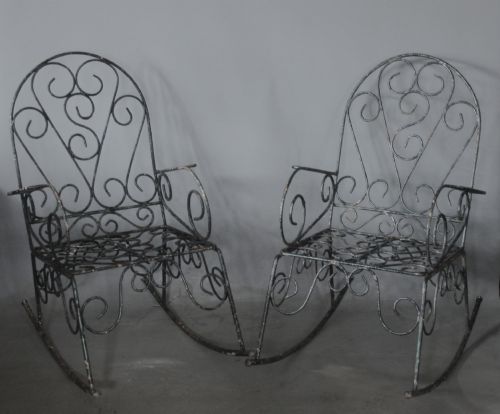
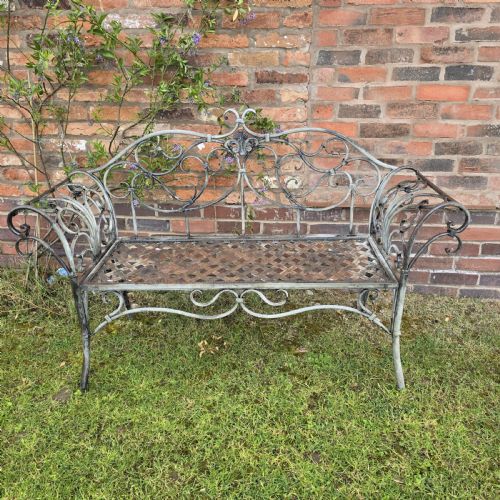
Antique wrought iron seating encompasses a varied selection of exterior and interior pieces, ranging from garden benches and dining sets to hearth-side club fenders. When exploring antique wrought iron seating, the most common finds are garden benches featuring strapwork or scroll designs dating from the nineteenth century onwards.
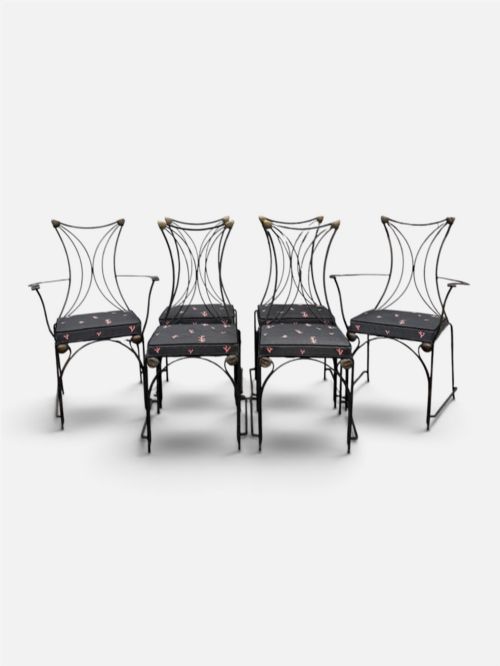
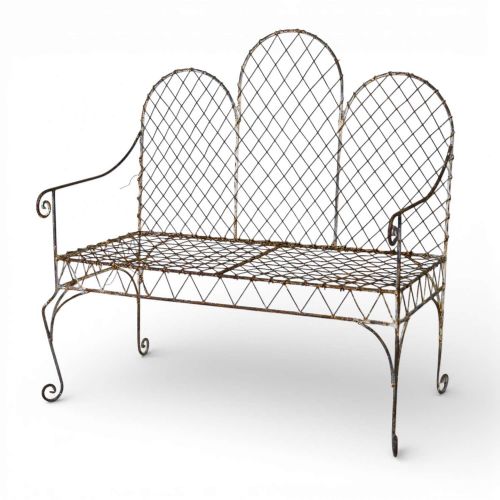
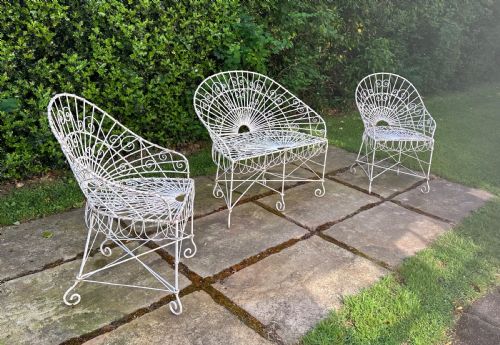
The assortment includes specialised forms like French Gothic-influenced metal benches, wirework arbours, conservatory benches, and indoor hall seats. Pieces frequently incorporate paired armchairs, folding chairs, or complete dining configurations suited for outdoor or hallway use.
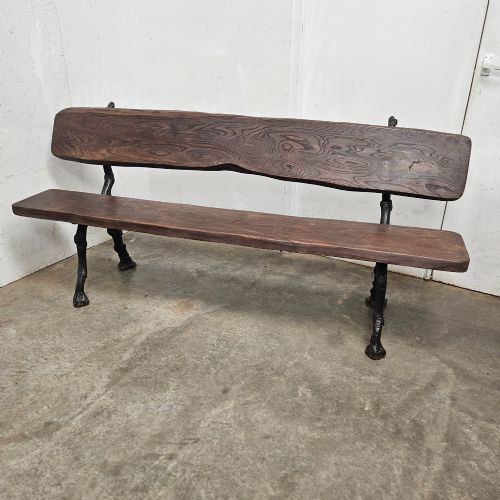
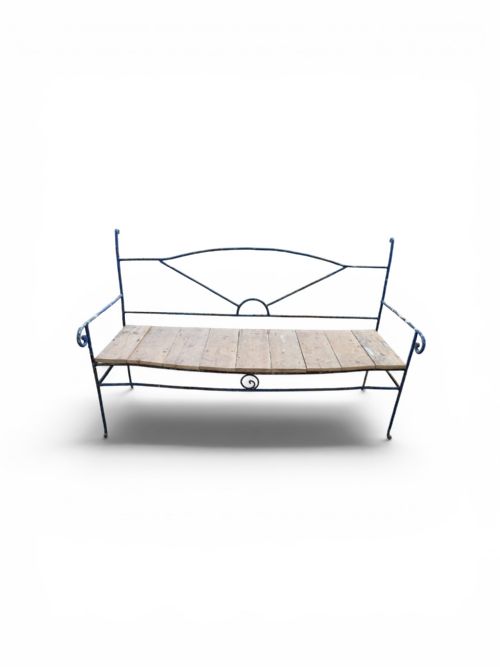
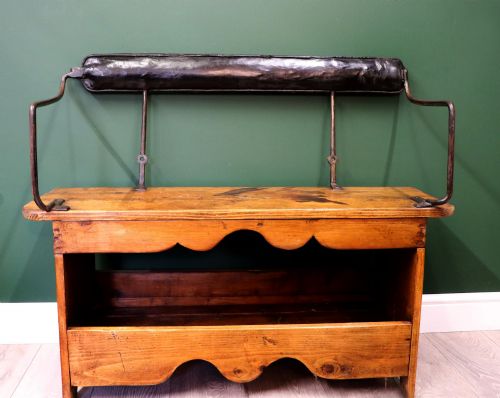
Origins span English and French traditions, utilising periods from the Regency era through the Victorian period and into the 1930s. Construction often pairs the primary metal frame with secondary elements such as timber, elm, mahogany, oak, leather, or fabric upholstery.
What varies in quality
The refinement of the forging work sets pieces apart, distinguishing simple utilitarian frames from pieces with complex strapwork, architectural Gothic influences, or delicate wirework. The dexterity shown in curved scrolls and balanced proportions dictates the visual success of a bench or chair.
The preservation of original surface finishes, such as weathered layers of early paint or patinated leather, elevates a piece. Structural integrity relies on the quality of the original ironwork and the careful integration of any secondary timber or upholstery.
Antique Wrought Iron Seating Retail Price Guide 2026
Typical asking prices for wrought iron seating among the pieces listed under this phrase on Sellingantiques today, from the lower quarter to the upper quarter. They describe what is for sale here now, not the wider market.
Listings feature pieces spanning from the 18th century through the 1930s, incorporating wrought iron, cast iron, steel, wirework, leather, and oak.
The Antique Wrought Iron Seating Glossary
- Strapwork
- Flat bands of iron or steel riveted or welded in geometric or rhythmic patterns across a bench back or seat. This technique provides structural rigidity while creating an open, decorative screen.
- Club fender
- A low, U-shaped fireside seat with upholstered top rails, built around the hearth. These typically combine iron or steel frames with leather and oak or mahogany elements.
- Wirework
- A technique utilising interwoven metal wires to create light, resilient garden arbours, tables, and seating. It was particularly popular during the Victorian period for exterior use.
- Faux bois
- A decorative finish or construction style simulating wood grain on metal surfaces. French makers utilised this method on garden benches during the nineteenth century.
- Arras
- A specific style of French garden furniture originating from the town of Arras, known for robust iron construction and distinctive manufacturer plaques. These pieces are prized by collectors of garden antiques.
Antique Wrought Iron Seating: Frequently Asked Questions
How do I identify a Regency iron bench?
Regency iron benches typically feature clean neoclassical lines, often incorporating precise strapwork and restrained geometric scrolls. They reflect the aesthetic of the early nineteenth century.
Examine the construction methods and the profile of the iron straps to distinguish these from later Victorian revivals or 1930s interpretations.
Were club fenders used outside?
Club fenders are interior fireside seats designed to sit around a hearth, featuring upholstered tops for seating. They are constructed from iron, steel, and wood.
They belong indoors by the fireplace rather than the garden, despite sharing metal construction methods with outdoor seating.
What is French Gothic garden seating?
French Gothic-influenced garden seating draws on medieval architectural motifs such as pointed arches and quatrefoils translated into metalwork. These designs appeared on benches and chairs.
They offer a more ornate silhouette compared to standard strapwork garden furniture.
How do I care for original paint on iron?
Preserving original paint layers requires gentle cleaning without abrasive chemicals that strip the historic surface. Keep outdoor pieces sheltered during harsh weather to prevent further degradation.
Accepting natural weathering helps maintain the historical integrity and visual character of antique metalwork.