




Antique Work Stool
These antique work stool pieces are utilitarian seats and tables built for practical tasks, offering honest craftsmanship and tactile timber or iron surfaces.
Antique Work Stool
When you search for an antique work stool, you encounter items designed for specific tasks rather than formal parlor use. The selections span vernacular forms, sewing boxes, and cobbler seats spanning several centuries.
The 19th century and Regency periods dominate the available forms, alongside Georgian examples and pieces from the 1930s. Oak, mahogany, and wrought iron recur as primary construction materials.
Makers utilised timber, iron, steel, cowhide, and fabric to build robust seating and work surfaces. These practical objects include joint coffin stools, sewing box stools, and spinning chairs.
Materials and construction methods
Makers constructed these pieces using solid hardwoods like oak and mahogany alongside wrought iron and steel. Joinery techniques varied from traditional joint construction to fitted sewing boxes and carved wooden seats.
Upholstery and seating surfaces incorporated fabric, cane, and cowhide to provide practical comfort. Iron elements involved blacksmithing techniques suited to hearth footmen and hall seats.
Antique Work Stool Retail Price Guide 2026
Typical asking prices for work stool among the pieces listed under this phrase on Sellingantiques today, from the lower quarter to the upper quarter. They describe what is for sale here now, not the wider market.
Cobblers sat on these low wooden work stools for hours, shaping seats to fit the human body long before ergonomic chairs existed.
Judging the work
Quality rests in the integrity of the timber and the honesty of the blacksmithing. Pieces with finely figured mahogany or robust oak show superior material selection by the maker.
The sophistication of the mechanism in sewing box stools and the depth of carving on spinning chairs separate standard utility items from finer workshop productions.
Thonet
The Antique Work Stool Glossary
- Joint stool
- A traditional wooden stool constructed with mortise and tenon joints, often using oak. These sturdy seats served various domestic purposes.
- Sewing box stool
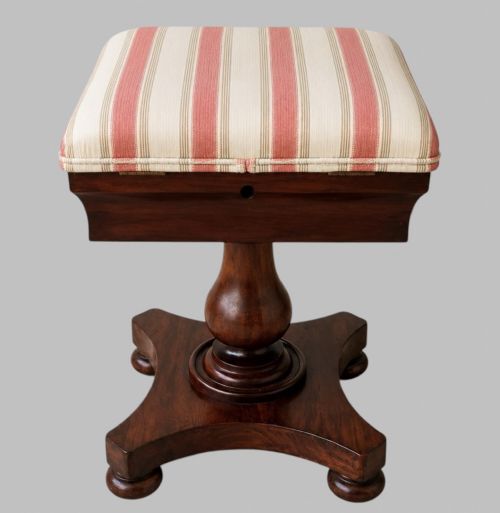
- A multi-functional item combining a seat with built-in storage compartments for needlework and textile tools. They frequently date to the Regency and Victorian eras.
- Cobbler's stool
- A specialised low seat historically used by shoemakers during manual labour. They feature ergonomic wooden tops shaped for prolonged sitting.
- Hearth footman
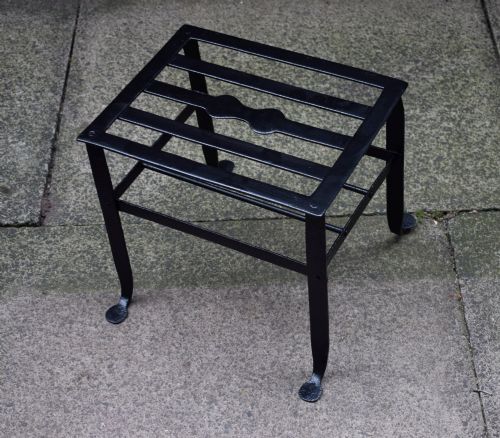
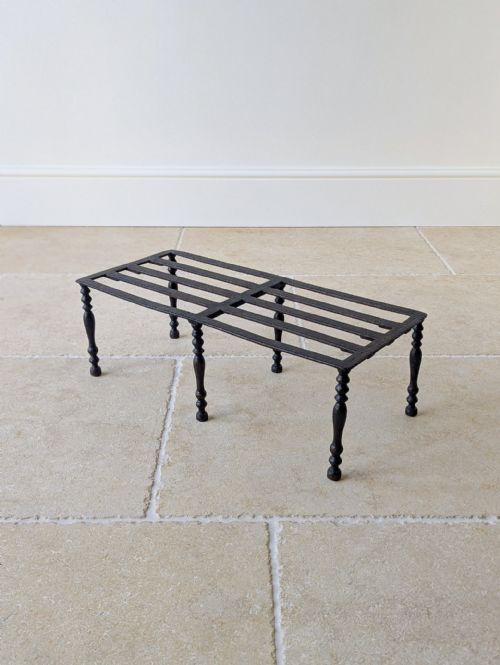
- An iron or steel stand placed by the fireplace to hold kettles or warm plates. Georgian examples demonstrate functional metalwork.
Antique Work Stool: Frequently Asked Questions
What is an antique work stool?
These are utilitarian seats and surface combinations built for trades, household tasks, and needlework. They range from rustic vernacular seating to refined Regency sewing boxes.
Materials include oak, mahogany, iron, and cowhide. Each piece reflects the specific practical demands of its original context.
How were work stools used historically?
People used them for daily domestic labour, craft trades, and fireside tasks. Cobblers sat upon shaped wooden seats while mending shoes, and artisans utilised sturdy low stools.
Sewing box variants held textiles and threads beneath hinged seats. Hearth footmen served beside the fire for warming food and heating water.
How do I date an antique work stool?
Dating relies on stylistic markers, construction methods, and material choices associated with periods like the Georgian and Victorian eras. Regency examples often display specific mahogany turning and fitted compartments.
Vernacular pieces from the 19th century utilise hand-worked oak and iron. Comparing joinery and hardware helps establish the approximate decade of production.
How do I live with an antique work stool?
You can place these versatile pieces in hallways, living rooms, and bedrooms as side tables or occasional seating. Their compact forms make them practical for modern interiors.
Regular waxing preserves wooden surfaces while ironwork benefits from dry placement. They bring tactile history and utility into daily living spaces.