



Antique Worcester Porcelain Basket
An antique worcester porcelain basket brings the supreme skill of Georgian and Regency ceramic artists right to your table.
Antique Worcester Porcelain Basket
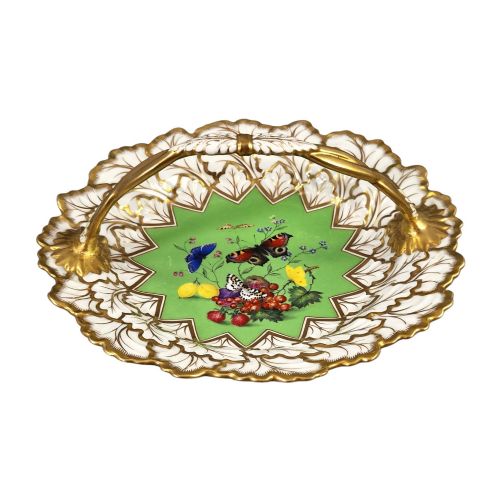
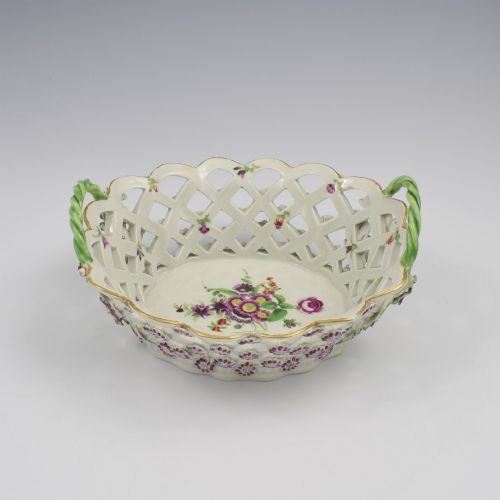
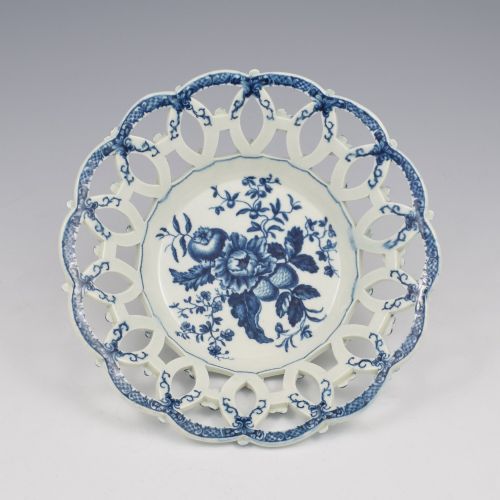
When you search for an antique worcester porcelain basket, you encounter delicate decorative baskets, dessert baskets, and intricately pierced chestnut baskets from several distinct periods. The earliest examples date back to the eighteenth century under the Dr Wall period, featuring handpainted polychrome motifs or the classic pine cone pattern.
Later nineteenth century pieces frequently originate from the Flight, Barr and Barr or Chamberlain workshops, showcasing Regency and early Victorian tastes. You also find specialised forms such as miniature baskets, dessert services, and even pieces paired with lids or combined with silver plated stands.
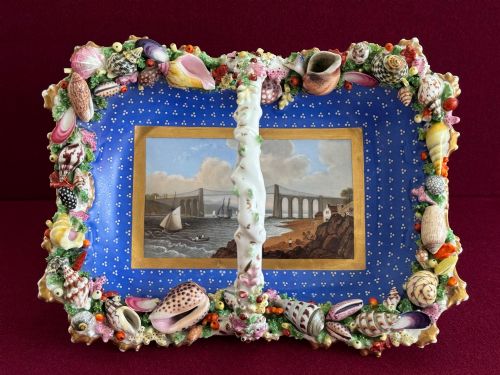
The aesthetic shifts from eighteenth century neoclassical floral painting and cobalt blue glaze towards detailed topographical views, such as the Menai Bridge. These variations reflect the changing output of the Worcester manufactory across the Georgian, Regency, and Victorian eras.
Materials and construction
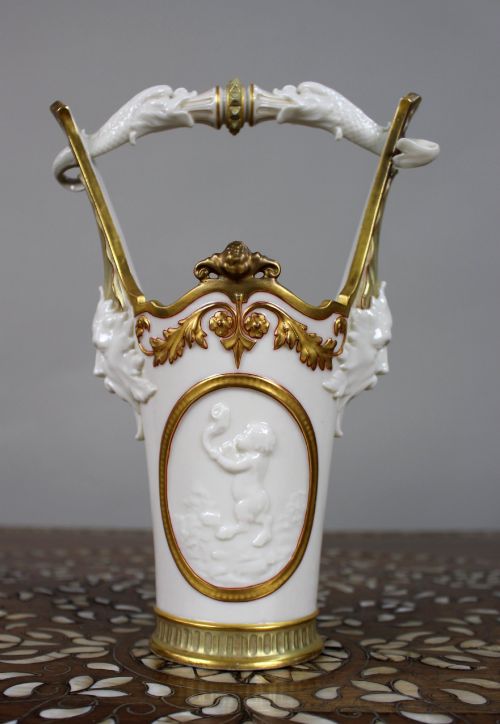
These items are shaped from soft-paste porcelain or standard porcelain bodies, often utilising intricate openwork or woven clay techniques to form the basket walls. Artisans then applied cobalt blue glaze, polychrome enamels, and gold leaf or gilding to highlight the handles and rims.
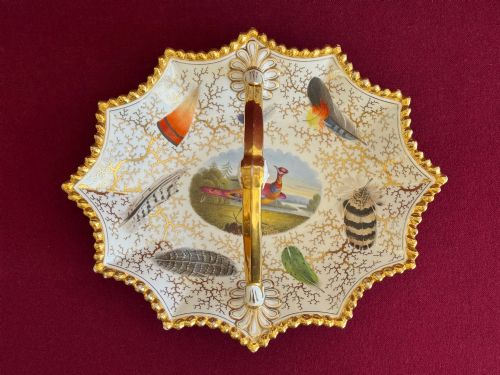
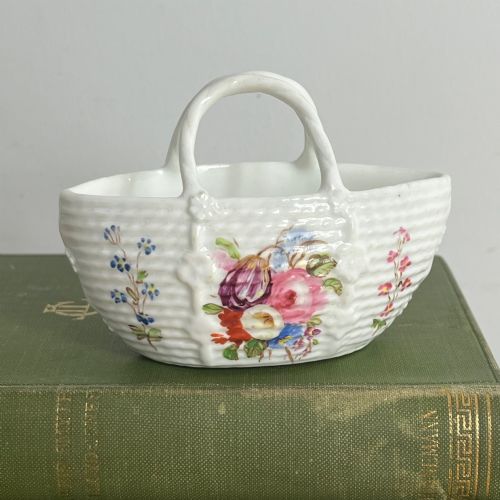
Painting and gilding were executed by hand, resulting in personalized floral sprays, detailed botanical studies, and specific topographical scenes. Firing soft-paste porcelain required immense skill from the kiln operators to prevent warping in the intense heat of the eighteenth and nineteenth century kilns.
Antique Worcester Porcelain Basket Retail Price Guide 2026
Typical asking prices for worcester porcelain basket among the pieces listed under this phrase on Sellingantiques today, from the lower quarter to the upper quarter. They describe what is for sale here now, not the wider market.
Chestnut baskets were once expected to keep hot nuts warm at the dining table, though today they mostly hold court inside glass display cabinets.
Judging the work
Quality rests heavily on the crispness of the pierced openwork and the delicacy of the woven clay elements, which demand high technical mastery from the potter. Pieces with sharp, well-defined lattice walls demonstrate superior control during the forming and firing stages compared to heavier, duller examples.
The refinement of the handpainted decoration also determines the standing of a piece, separating standard factory output from exceptional artistic achievement. Superior examples exhibit precise brushwork in the floral enamels or topographical views, coupled with generous and well-preserved gilding.
Flight Barr And Barr·Royal Worcester·Chamberlain Worcester·Dr Wall Worcester
The Antique Worcester Porcelain Basket Glossary
- Dr Wall Period
- The earliest phase of Worcester porcelain production, named after founder Dr John Chalmers Wall. Pieces from this time are prized for their soft-paste bodies and vibrant underglaze blue painting.
- Chestnut Basket
- A specialised large decorative basket designed to hold roasted chestnuts at fashionable dining tables. These often include matching pierced lids and ornate twisted twig handles.
- Soft-paste Porcelain
- An artificial porcelain composition fired at lower temperatures than hard-paste, common in eighteenth century English ceramics. It produces a warm, slightly creamy glaze surface.
- Flight, Barr and Barr
- A prominent nineteenth century iteration of the Worcester factory partnership. Their output during the Regency period is known for classical forms and rich gilding.
- Polychrome
- Decoration utilising multiple distinct enamel colours rather than a single monochrome tone. It allows for lifelike representations of flowers, birds, and landscapes.
Antique Worcester Porcelain Basket: Frequently Asked Questions
How were antique Worcester porcelain baskets used?
These pieces served practical dining and dessert functions in wealthy households, holding delicate foods like fruit, sweetmeats, or roasted chestnuts. Larger chestnut baskets sat centrally on the dining table as decorative showpieces during formal meals.
Over time, many of these items transitioned into pure display objects. Their intricate woven sides and painted scenes made them popular mantelpiece or cabinet ornaments by the Victorian era.
How do I date an antique Worcester basket?
Dating relies on identifying factory marks, stylistic periods, and the specific composition of the ceramic body. Eighteenth century Dr Wall pieces often feature crescent or disguised numeral marks beneath a soft-paste glaze.
Nineteenth century examples from makers like Flight, Barr and Barr or Chamberlain typically feature written factory script on the base. Regency and Victorian pieces also show distinct neoclassical or revivalist decorative trends.
Are these baskets fragile?
The soft-paste porcelain and intricate pierced openwork make these items delicate and sensitive to impact. Handled with care, however, they remain remarkably durable over centuries of existence.
Displaying them securely away from high traffic areas prevents accidental knocks. Cleaning should be done gently by hand without harsh detergents to protect the enamel and gold leaf.
What is the difference between Dr Wall and later pieces?
Dr Wall period pieces date to the eighteenth century and utilise a soft-paste porcelain body with distinctive underglaze blue patterns or early polychrome enamels. They represent the foundational artistic phase of the Worcester manufactory.
Later nineteenth century pieces from firms such as Flight, Barr and Barr reflect Regency and Victorian aesthetics. They frequently incorporate heavier gilding, topographical scenes, and refined hard-paste porcelain formulations.