





Antique Wooden Yacht
An antique wooden yacht brings the classic grace of traditional sailing vessels directly into your interior spaces.
Antique Wooden Yacht
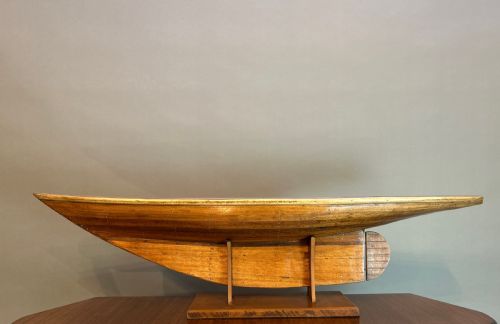
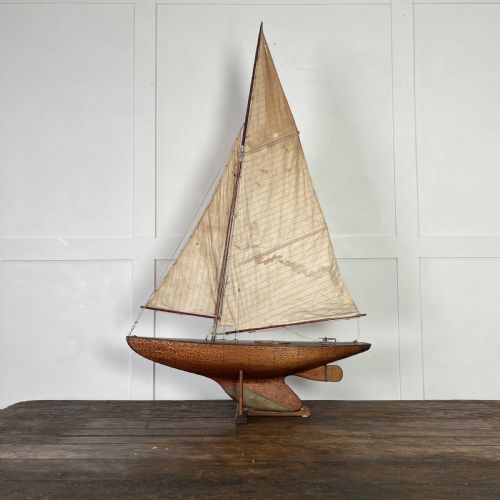
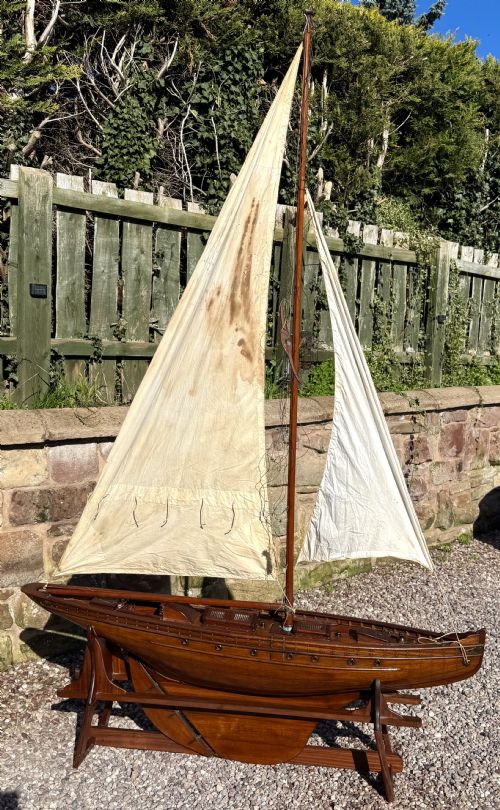
An antique wooden yacht encompasses decorative models and pond boats built across the Victorian, Edwardian, and 1920s periods. These pieces range from large-scale scratch-built ketch-rigged hulls to smaller carved decorative examples mounted on stands.
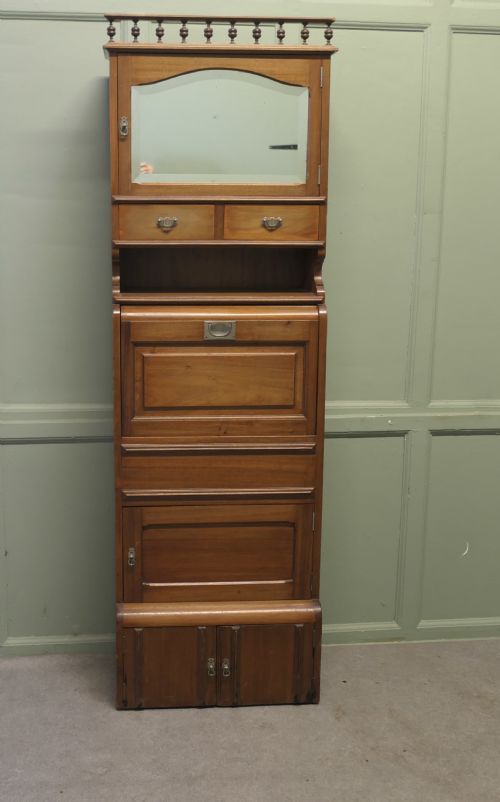
You are most likely to encounter substantial pond yachts alongside related maritime objects such as vanity cabinets, model boats, and wall art. These watercraft reflect the craftsmanship of maritime design from the late nineteenth century into the early twentieth century.
The category spans various scales, from towering almost eight-foot vessels down to manageable display hulls. Each piece captures the enduring appeal of traditional naval architecture through wood, metal, and canvas components.
Materials and construction methods
Makers utilised traditional timbers such as mahogany, pine, teak, and sycamore to shape these hulls, often employing carvel construction methods. These wooden structures were paired with cordage, canvas sails, and brass or metal fittings to achieve an authentic nautical appearance.
Surface finishes and detailing rely on polished woods, painted hulls, and occasionally integrated marble bases or glass elements. Metal components like signal cannons and brass fixtures provide functional contrast to the organic warmth of the timber.
Antique Wooden Yacht Retail Price Guide 2026
Typical asking prices for wooden yacht among the pieces listed under this phrase on Sellingantiques today, from the lower quarter to the upper quarter. They describe what is for sale here now, not the wider market.
Some vessels stand nearly eight feet tall, threatening to outscale the rooms they inhabit.
Assessing quality in antique watercraft
Quality separates mass-produced decorative items from scratch-built scale models exhibiting precise joinery and accurate rigging. The complexity of the hull construction, such as individual planking methods, marks the distinction between standard vessels and superior pieces.
The preservation of original materials, including weathered canvas sails, aged cordage, and patinated brass fittings, elevates the integrity of the object. Scale accuracy and the presence of contemporaneous display stands further differentiate the finer examples.
The Antique Wooden Yacht Glossary
- Carvel hull
- A boat building method where planking is fastened edge-to-edge against a supporting frame to create a smooth exterior surface. This technique provides the structural rigidity required for larger pond yachts.
- Ketch-rigged
- A two-masted sailing arrangement where the shorter mizzen mast is stepped forward of the rudder post. This configuration appears on scratch-built models designed for stability on the water.
- Pond yacht
- A large model sailing boat traditionally sailed by enthusiasts on park lakes without remote control. These vessels rely on self-steering gear to navigate across the water.
- Bobbin turned
- A method of woodturning that creates a series of rounded, spool-like shapes along the length of a spindle. This decorative profiling frequently appears on turned wooden accessories like candlesticks.
Antique Wooden Yacht: Frequently Asked Questions
How do I date a pond yacht?
Dating relies on examining construction materials, hull shapes, and hardware styles characteristic of Victorian, Edwardian, or 1920s eras.
Documented provenance or specific rig types also help narrow down the period of manufacture.
Where should I display a large model?
Large models require sturdy floor space or heavy-duty shelving capable of supporting substantial wooden hulls and stands.
Positioning them away from direct sunlight protects vulnerable canvas sails and wood finishes from fading.
Did these models actually sail?
Many larger pond yachts were engineered with weighted keels and functional rudders for sailing on open water. Others were built strictly as static display models or commissioned showroom pieces.
How do I clean wooden hulls?
Dust surfaces gently with a soft, dry brush to preserve aged finishes and delicate rigging cordage.
Avoid liquid cleaners or polishes unless you confirm the specific finish tolerates treatments.