






Antique Wooden Trinket
These antique wooden trinket pieces are small receptacles spanning the seventeenth to twentieth centuries, offering tactile containment for valuables on a dressing table.
Antique Wooden Trinket
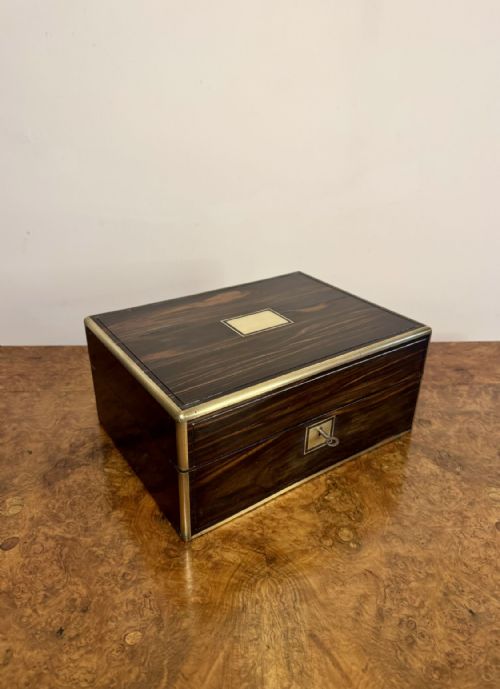
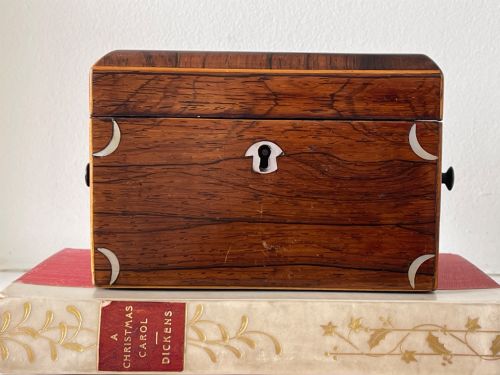
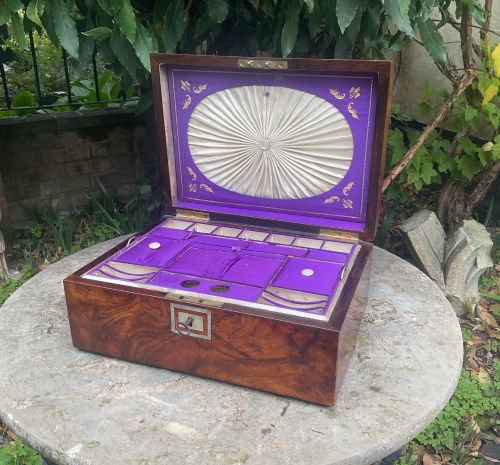
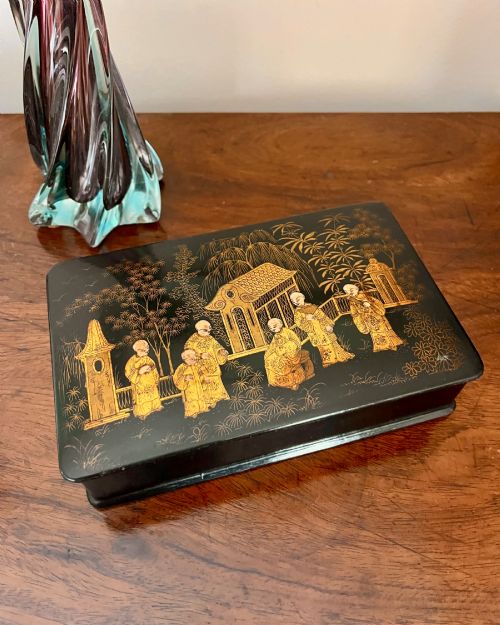
An antique wooden trinket box encompasses everything from mahogany jewellery chests and tea caddies to miniature apprentice pieces and Tunbridge Ware receptacles. The pieces recorded here span from seventeenth-century burr wood caskets through Georgian and Victorian iterations up to early twentieth-century examples.
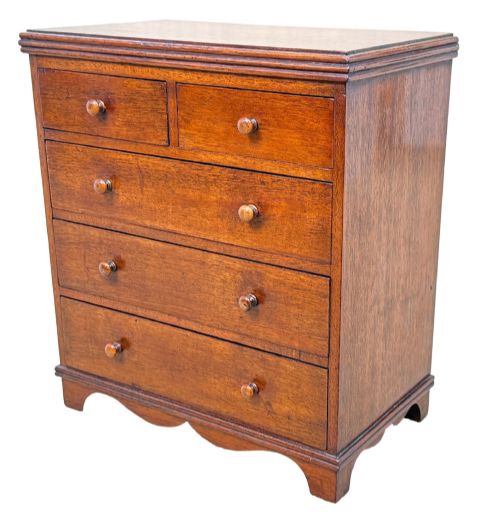
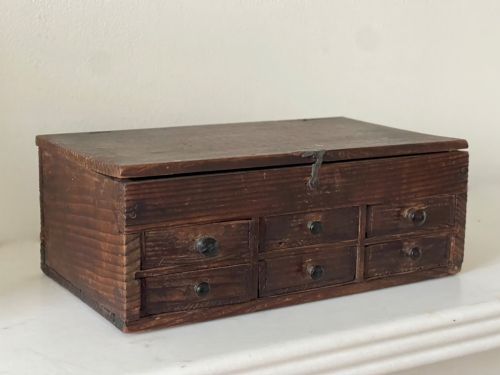
Miniature chests of drawers in mahogany and walnut frequently appear alongside sarcophagus-shaped caskets and inlaid sewing boxes. These small wooden containers served various domestic functions, holding lace, snuff, jewellery, and small keepsakes.
How they were made
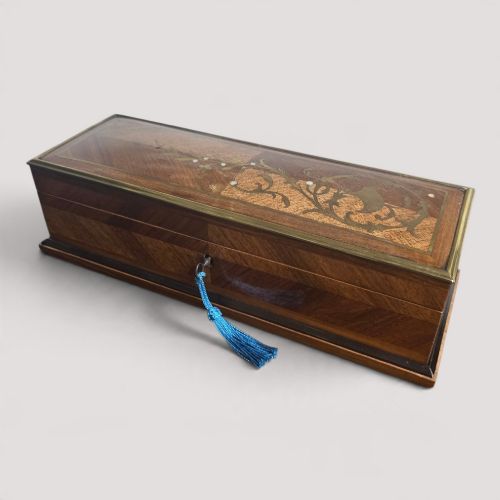
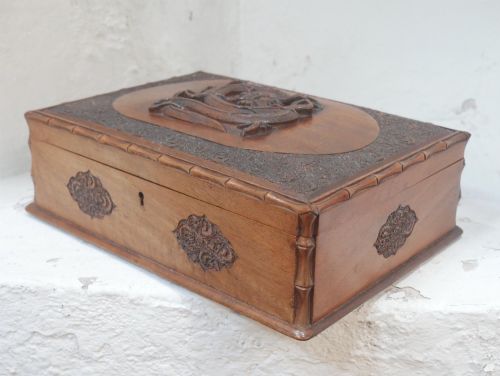
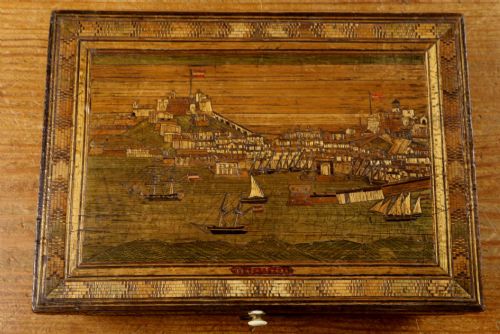
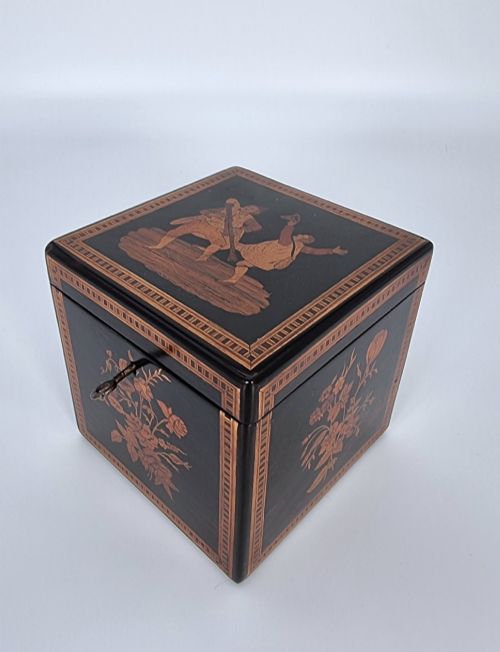
Cabinet makers utilised dense native and exotic timbers such as mahogany, walnut, rosewood, and oak, often applying marquetry, straw work, or Tunbridge Ware mosaic patterns to the surfaces. Structural joining relied on dovetailed corners and precision carpentry.
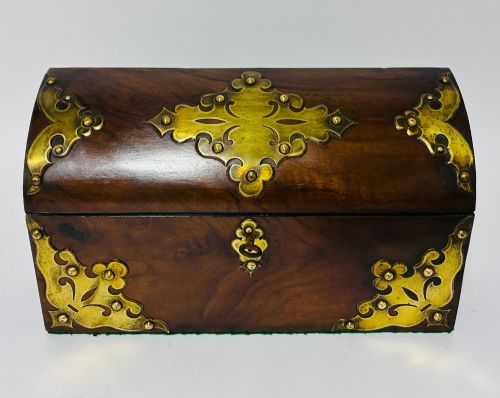
Many boxes incorporate brass binding, bone, mother-of-pearl details, or silver mounts to reinforce edges and enrich the exterior. Silk linings and fitted internal trays appear inside sewing and jewellery receptacles.
Antique Wooden Trinket Retail Price Guide 2026
Typical asking prices for wooden trinket among the pieces listed under this phrase on Sellingantiques today, from the lower quarter to the upper quarter. They describe what is for sale here now, not the wider market.
Napoleon's captive soldiers carved delicate straw work boxes while interned in Elba.
What varies in quality
The degree of refinement in timber selection and inlay precision marks the division between standard utility boxes and exceptional works. Finely figured flame mahogany or intricate Sorrento marquetry indicate higher ambition.
The integrity of internal compartments, original brass hardware, and the crispness of hand-carved decorative motifs distinguish superior specimens from simpler iterations.
Tahan·Edmund Nye
The Antique Wooden Trinket Glossary
- Marquetry
- The art of forming decorative patterns by fitting together small pieces of wood veneer. This technique frequently defines the lids of nineteenth-century boxes.
- Apprentice piece
- A small-scale item produced by a trainee craftsman to demonstrate mastery of joinery. Miniature chests of drawers often belong to this category.
- Tunbridge Ware
- Woodware decorated with mosaic patterns formed from tiny polygonal prisms of different coloured woods. It originated in the Kent town of Tunbridge Wells.
- Tea caddy
- A box designed for storing dry tea leaves, often fitted with internal compartments and a lock. They appear in mahogany and other dense hardwoods.
- Sarcophagus
- A box shape featuring a sloping lid and inverted base, mimicking ancient stone tombs. Regency caskets frequently adopt this architectural form.
Antique Wooden Trinket: Frequently Asked Questions
What were small wooden boxes used for?
These receptacles held precious commodities such as tea, lace, jewellery, and tobacco safely away from damp and light.
Owners kept them on tables or desks in sitting rooms and bedrooms for daily access to personal effects.
How do I identify a Victorian jewellery box?
Victorian examples frequently employ walnut, rosewood, or coromandel timber, often accented with brass banding or mother-of-pearl inlay.
Inside, paper or silk linings accompany tiered wooden trays designed to cradle rings and brooches.
What is an apprentice piece chest?
Cabinet makers required trainees to construct miniature furniture to prove their proficiency before entering the trade.
These small chests replicate full-size drawer construction precisely, down to the dovetail joints and turned feet.
How should I care for antique wood boxes?
Keep wooden boxes away from direct sunlight and radiators to prevent the dry timber and veneer from splitting.
Apply a light microcrystalline wax occasionally to nourish the surface without building up sticky residues.