





Antique Wooden Shovel
These antique wooden shovel pieces are practical hearth and kitchen items that bring genuine domestic history into your home.
Antique Wooden Shovel
An antique wooden shovel encompasses domestic items designed for hearth and kitchen use, ranging from coal shovels paired with scuttles to grain and flour scoops. You will most frequently meet Victorian and Edwardian examples tied to fireside accessories and treen kitchenware.
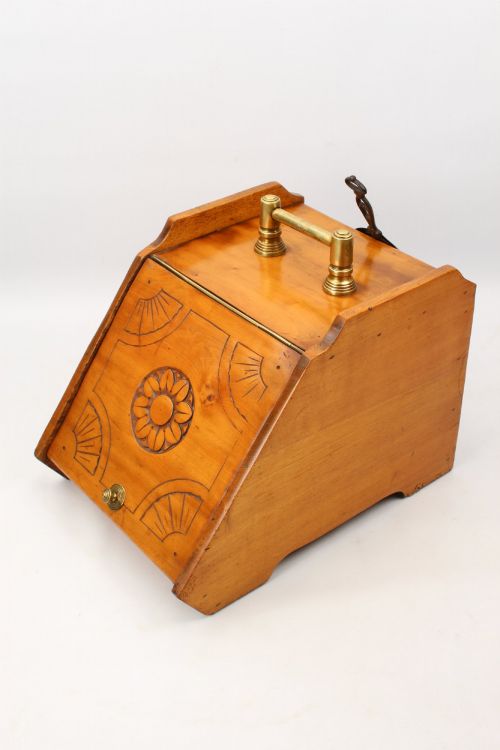
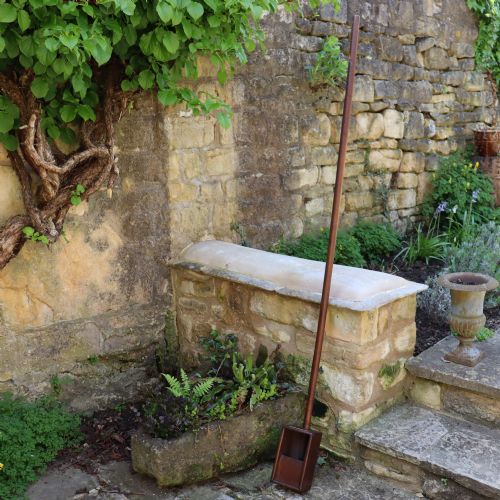
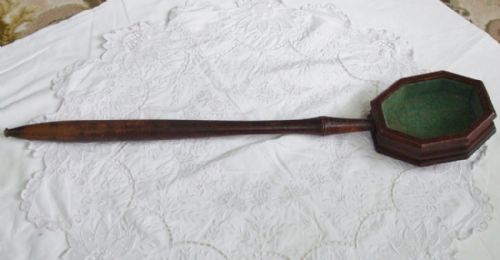
The evidence shows forms that include coal scuttles with matching shovels, purdoniums, and Welsh country scoops in hardwoods and softwoods. These pieces reflect everyday utility in nineteenth-century homes, churches, and kitchens.
Makers and origins point towards Welsh vernacular traditions alongside standard Victorian household production. The selection demonstrates how utilitarian timber objects survived through regular household service.
Materials and construction
Makers utilised native timbers such as oak, mahogany, beechwood, and sycamore, often selecting dense hardwoods to withstand heavy daily labour. Iron and brass hardware appeared on fireside iterations to reinforce stress points.
Construction techniques combined turned handles with carved or shaped blades, occasionally featuring painted surfaces or applied brass fittings. These methods prioritised durability and ergonomic grip for kitchen and fireside tasks.
Antique Wooden Shovel Retail Price Guide 2026
Typical asking prices for wooden shovel among the pieces listed under this phrase on Sellingantiques today, from the lower quarter to the upper quarter. They describe what is for sale here now, not the wider market.
Listings span the Victorian and Edwardian eras, featuring oak, mahogany, sycamore, beechwood, brass, and iron across fireside accessories and kitchen treen.
Factors of quality
The distinction between ordinary and superior pieces rests on the integrity of the timber and the retention of original components like liners and shovels. Utilitarian wear shows the genuine working history of the object rather than detracting from its form.
Finer items demonstrate thoughtful carving, balanced proportions, and well-chosen grain in hardwoods like oak or sycamore. Simpler treen scoops rely entirely on clean lines and the natural patination acquired through decades of use.
The Antique Wooden Shovel Glossary
- Treen
- Small handmade wooden domestic objects produced before the age of mass manufacturing. These items include kitchenware, spoons, and small household utensils.
- Purdonium
- A specialised decorative box designed for storing coal beside the fireplace, frequently incorporating a fitted shovel. They gained popularity during the Victorian and Edwardian periods.
- Sycamore
- A light-coloured hardwood frequently chosen by turners and rural makers for kitchen implements and dairy equipment. Its dense grain resists splitting during heavy use.
Antique Wooden Shovel: Frequently Asked Questions
What were antique wooden shovels used for?
These wooden implements served practical tasks around the house, ranging from transferring coal to domestic hearths to measuring flour and grain in farm kitchens.
Smaller treen scoops handled dry goods in pantries, while sturdier shovels worked alongside fireside scuttles and purdoniums to manage household fuel.
How do I care for wooden fireside items?
Keep wooden pieces away from direct heat sources and extreme temperature fluctuations to prevent the timber from drying out and splitting.
Apply a light application of natural wax occasionally to maintain the surface sheen and protect the historic patination.
How can I tell Victorian pieces apart?
Victorian examples often feature heavier construction in oak or mahogany, frequently incorporating brass handles, liners, and matching metal-trimmed shovels.
Earlier vernacular items from Welsh traditions tend to rely on simpler turned or carved beech and sycamore without metal additions.
Are these items suitable for daily use?
While structurally sound, antique wooden pieces benefit from gentle handling to preserve their surface wear and historical character.
Displaying them as part of a fireside or kitchen collection honours their original domestic purpose while keeping them safe from modern wear.