


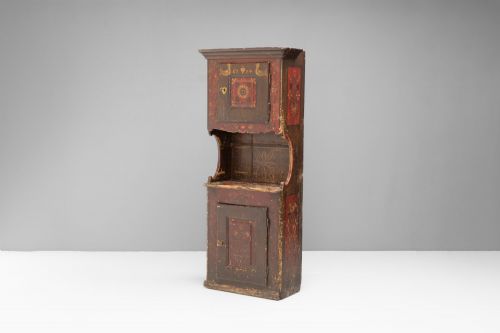
Antique Wooden Food
Antique wooden food items span utilitarian bread safes and storage cupboards built from oak, pine, and walnut across centuries.
Antique Wooden Food
When searching for antique wooden food equipment, buyers encounter storage furniture, bread safes, and kitchen cupboards designed to keep provisions dry and secure. These forms originate from domestic contexts across Britain, France, Scandinavia, and Spain.
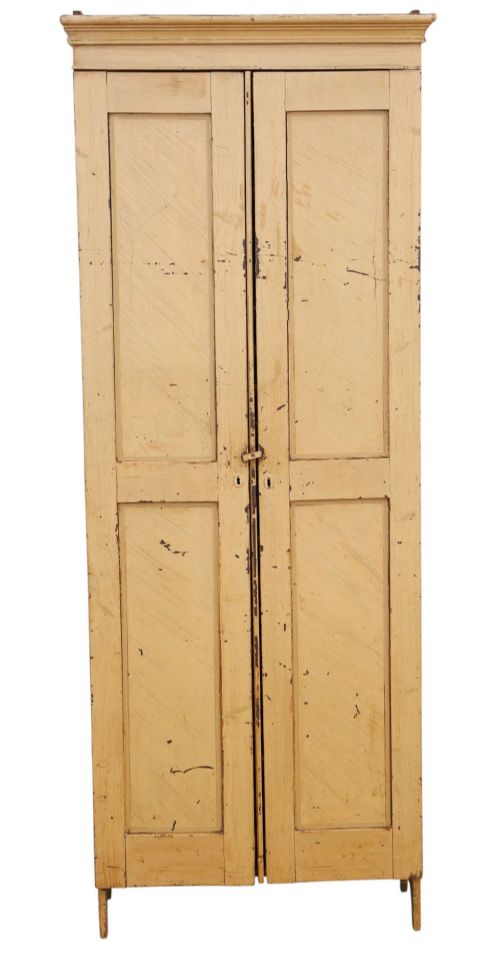
The most common versions met on this page are pine cupboards, larder units, and specialised bread stores such as the French panetiere or the Norwegian tine box. Such pieces reflect regional agrarian life and traditional domestic habits.
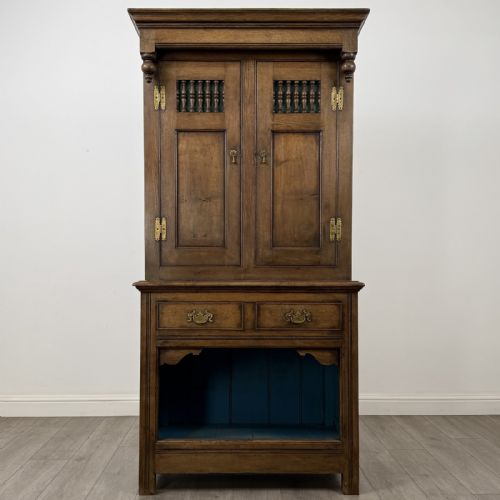
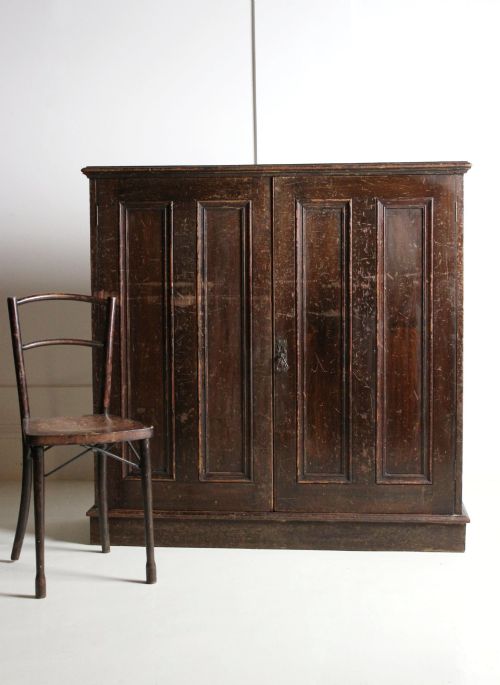
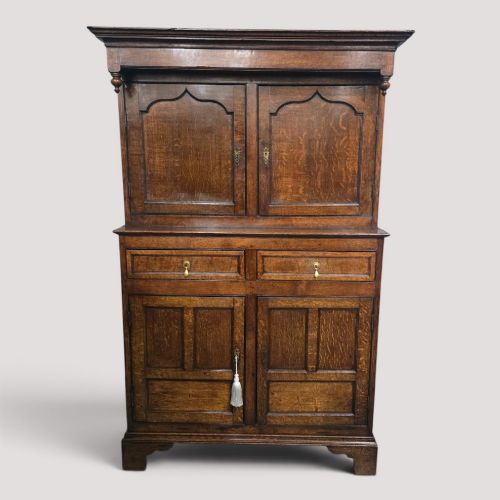
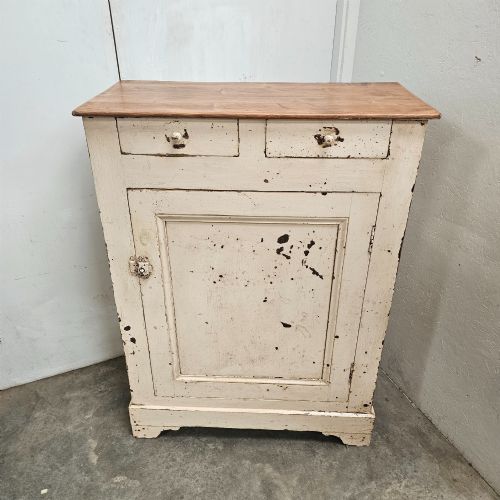
Heavier storage pieces include oak court cupboards and housekeeper cupboards dating from the seventeenth through the nineteenth centuries. These utilitarian forms provide generous shelving and compartment space originally intended for dry goods and household provisions.
Materials and construction methods
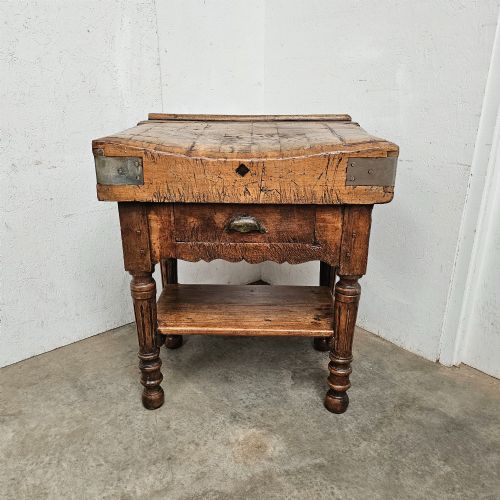
Carpenters utilised native timbers such as oak, pine, elm, beech, and walnut, selecting each wood for local availability and structural resilience. Hardwoods like oak and walnut formed sturdy frames for court cupboards, whilst softer pine and beech suited painted kitchen furniture and butcher blocks.
Joinery techniques relied upon traditional pegged joints, dovetails, and hand-forged iron hinges or blacksmith locks. Many pine and beech pieces received surface decoration in the form of hand-painted finishes, ragwork, or simple wax layers.
Listings feature regional pieces spanning the seventeenth through the twentieth centuries, utilising oak, pine, walnut, and beech.
Assessing craftsmanship and condition
Quality rests upon the integrity of the original timber and the retention of early surfaces, blacksmith hardware, and hand-cut joinery. Alterations to shelving or stripped original paintwork alter the historical character of a piece.
Proportion and decorative restraint distinguish fine regional examples from standard utility items. Carved pillar panels, original polychrome paintwork, and untouched vernacular surfaces elevate the stature of a cupboard or food box.
Sudre
The Antique Wooden Food Glossary
- Panetiere
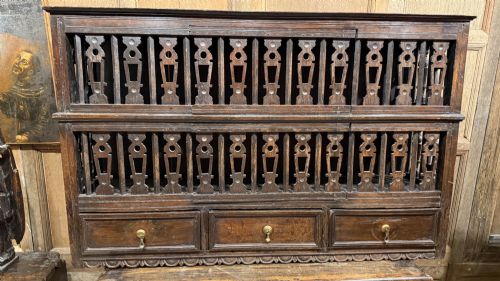
- A traditional French freestanding wooden bread safe featuring turned spindles for ventilation. These cabinets kept loaves safe from household pests.
- Court cupboard
- A heavy oak storage furniture form originating in the seventeenth century, typically featuring an upper recessed cabinet supported by pillars. These served to display plate and store dry provisions.
- Tine
- A traditional Norwegian bentwood wooden box or container used for carrying and storing food. These vessels often display original folk art decoration.
- Housekeeper cupboard
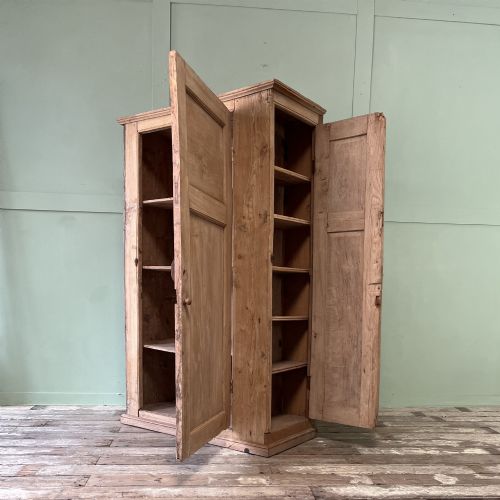
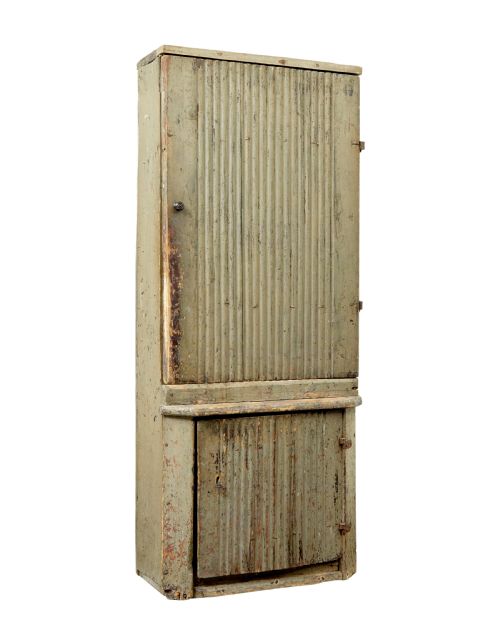
- A tall storage cabinet used in large domestic kitchens to house linens, dried goods, and kitchen stores. They are commonly constructed from pine or oak.
- Confiturier
- A small French storage cupboard or jam cupboard designed to hold confit jars and kitchen supplies. They often appear in painted pine or fruitwoods.
Antique Wooden Food: Frequently Asked Questions
How do I date an antique wooden food piece?
Dating relies upon examining construction methods, timber species, tool marks, and hardware such as blacksmith hinges and locks. Seventeenth-century examples typically feature heavy joined oak, while nineteenth-century pieces often employ painted pine.
Stylistic cues also help determine age, from Jacobean carved pillar panels to Victorian country proportions and folk art paint finishes. Comparing regional variations across British and continental pieces narrows down the decade.
How were bread safes used?
Bread safes, such as the French panetiere, were designed to store baked loaves off the ground and away from household pests. Spindled or perforated sides allowed crucial air circulation to keep bread fresh longer.
These pieces sat within the kitchen or dining quarters for daily access by the household. Their ventilated doors served a strictly practical function before wire mesh and modern pantries became common.
How do I care for antique pine furniture?
Maintain antique pine and other wooden food storage pieces by keeping them away from direct heat sources and drastic humidity swings. Excessive dryness causes timber to split, while dampness damages historical painted surfaces.
Feed bare wood with traditional beeswax and dust painted surfaces gently with a dry cloth. Preserving the original surface patina requires avoiding harsh chemical cleaners.