
Antique Wooden Door
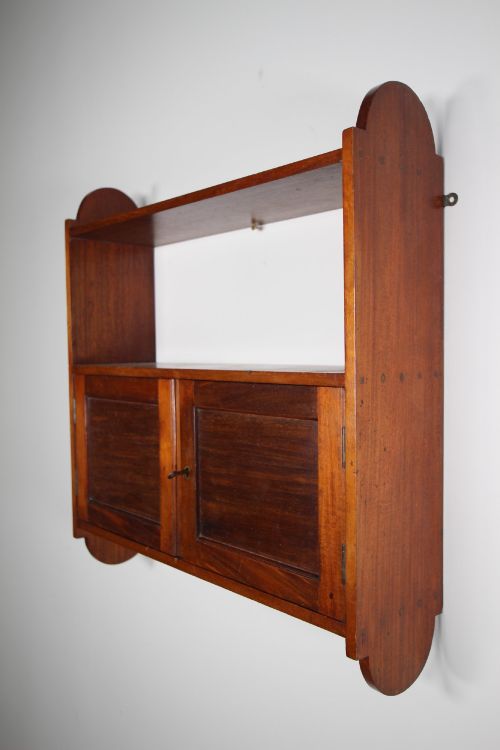
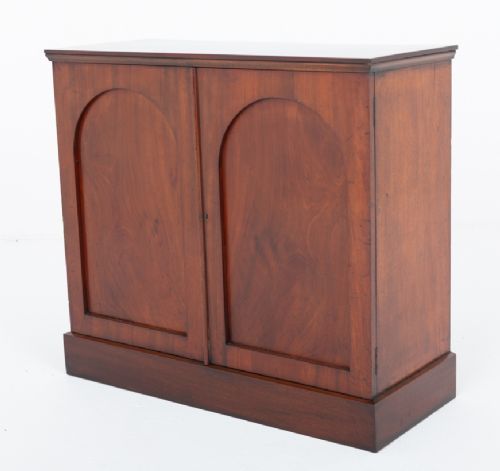
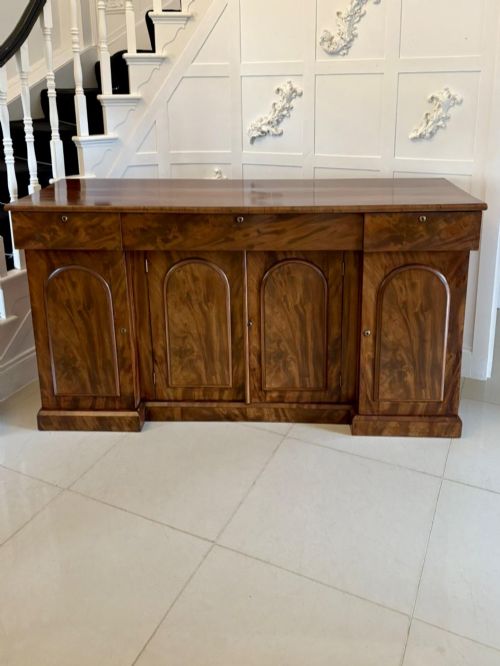
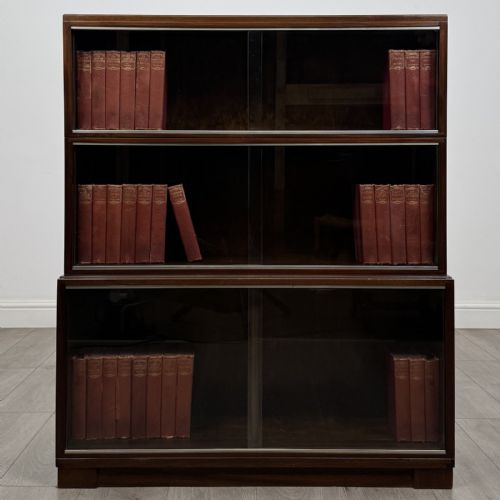
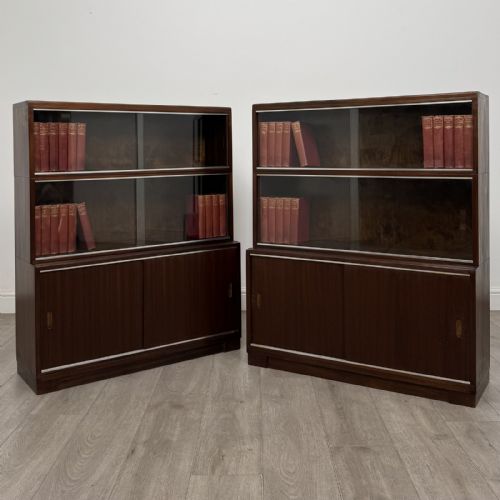
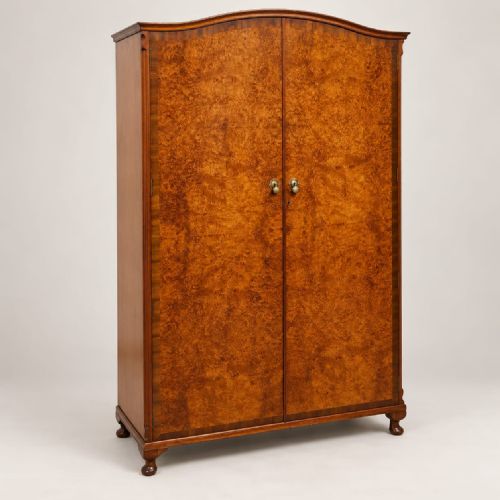
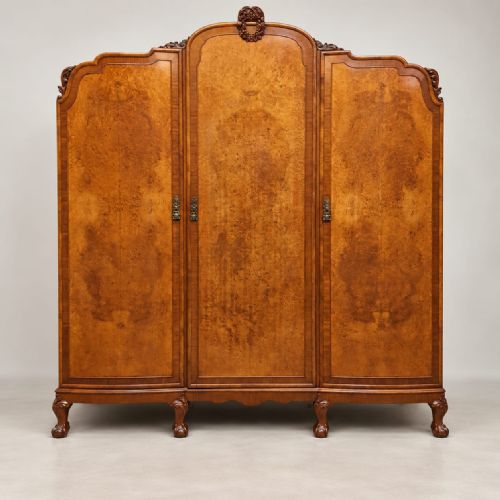
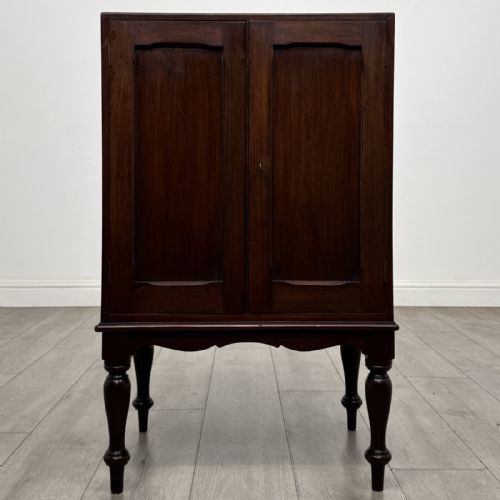
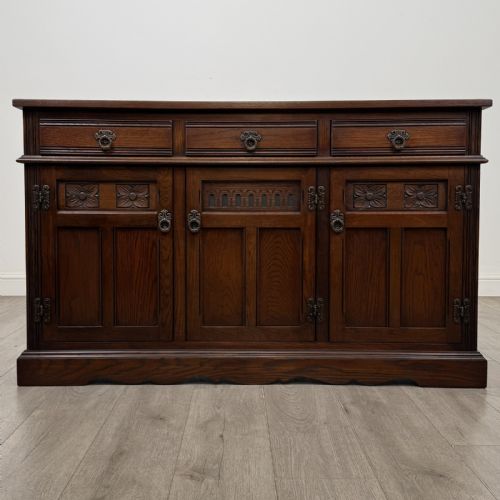
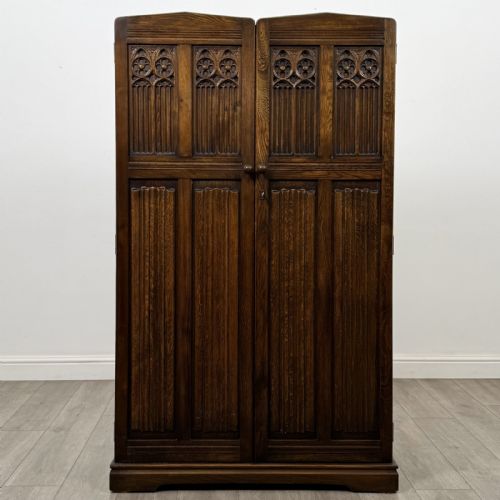
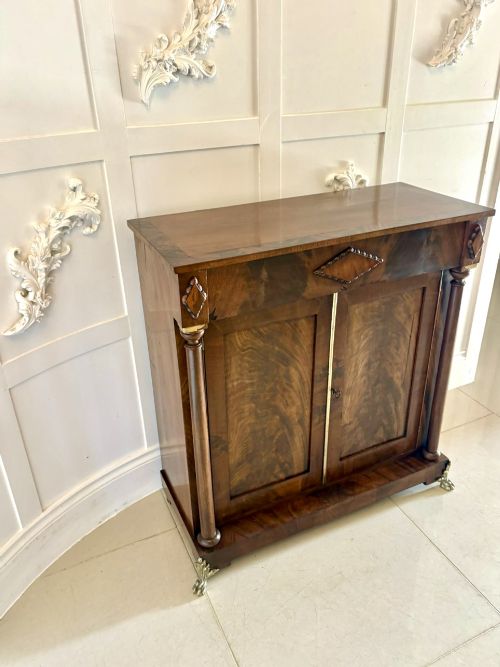
An antique wooden door search leads you to storage and display furniture such as wardrobes, sideboards, and cabinets built in timber.
Antique Wooden Door
The term antique wooden door generally points buyers toward large storage furniture, though the pieces listed here consist of wardrobes, sideboards, bookcases, and cabinets rather than architectural portals. These items originate from periods spanning the Georgian era through the Victorian period, Edwardian times, and into the early twentieth century. Buyers seeking such pieces will encounter substantial case furniture built to serve domestic storage needs in dining rooms, bedrooms, and libraries.
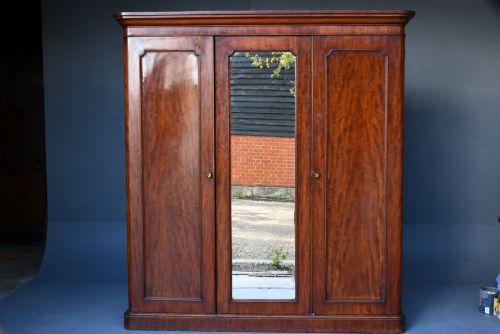
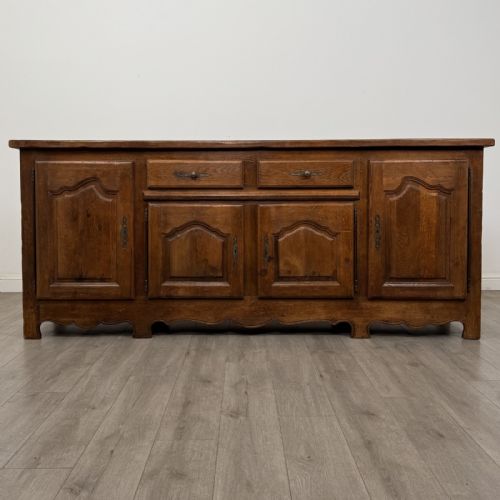
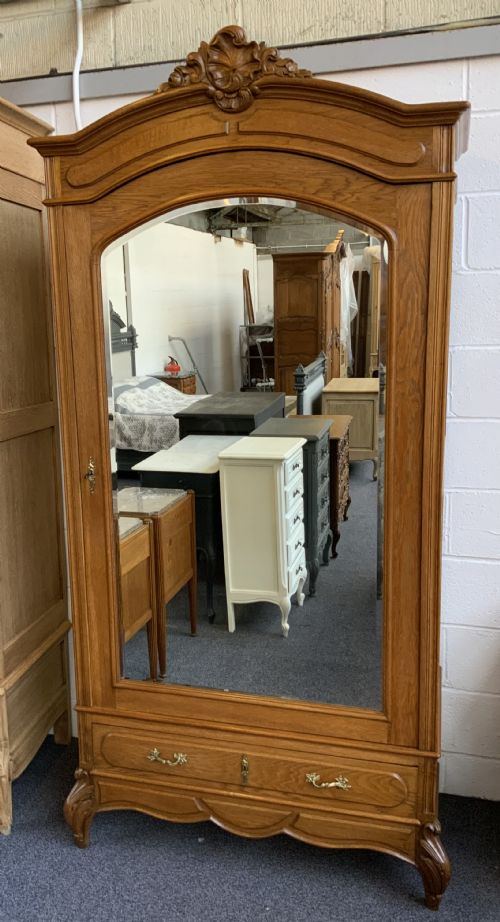
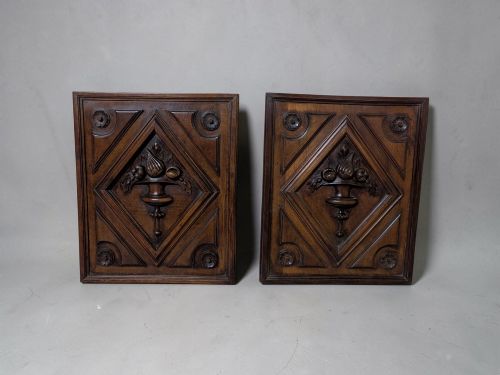
The selection on this page is dominated by wardrobes and sideboards rather than standalone architectural timber doors. Examples range from Victorian mahogany triple wardrobes and Georgian linen presses to French provincial armoires and Edwardian oak cupboards. Oak and mahogany serve as the primary woods, often enhanced with figured veneers or carved panels that reflect the stylistic preferences of their respective eras.
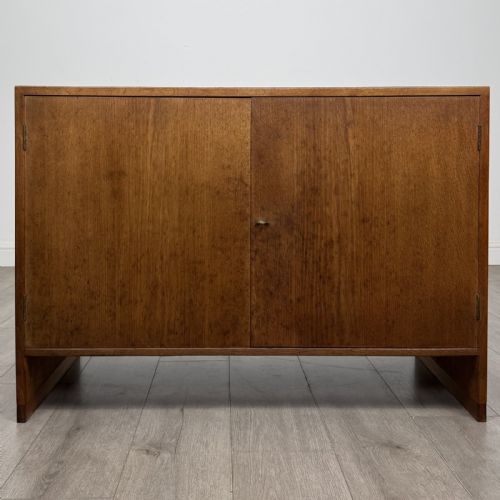
Makers and workshops utilised various forms, including double and triple wardrobes, bedside cabinets, credenzas, and chiffoniers. Pieces dated around nineteen-twenty sit alongside nineteenth-century iterations, showing how cabinetmakers adapted traditional forms over generations. Buyers navigate a landscape of case furniture where timber selection and internal configuration dictate the utility of each item.
Assessing craftsmanship
Quality separates through the selection of timber veneers and the crispness of carved details on panels and mouldings. Fine examples display carefully matched figured mahogany or burr walnut across large expanses like wardrobe doors, whereas simpler items utilise plain pine or stained timbers with minimal grain variation.
Construction integrity and the retention of original hardware define the upper tiers of the range. Superior pieces exhibit precise joinery in drawers and cabinet carcasses, alongside period-correct brass handles and functional fitted interiors, whereas lesser examples show replacement elements or heavier wear to the wood.
Listings feature oak, mahogany, walnut, and pine across wardrobes, sideboards, and cupboards dating from the Georgian era to the nineteen-twenties.
Jaycee
The Antique Wooden Door Glossary
- Wardrobe
- A large tall cupboard designed for hanging clothes, often fitted with drawers or shelving inside. These pieces frequently feature double or triple doors.
- Sideboard
- A long piece of furniture placed in a dining room for serving food and storing tableware. They often include drawers and lower cupboards.
- Armoire
- A large wardrobe or cupboard, traditionally of continental European origin. They typically feature deep internal space enclosed by heavy panelled doors.
- Chiffonier
- A small sideboard or low cabinet developed in the nineteenth century. They often combine shelving or a raised back with enclosed lower storage.
- Linenfold
- A style of wood carving that resembles folded linen fabric. This decorative motif appears frequently on panels of oak cupboards and cabinets.
- Credenza
- A sideboard or buffet cabinet without legs, sitting directly on the floor. Victorian iterations often incorporate marble tops and figured timber veneers.
Antique Wooden Door: Frequently Asked Questions
What periods do these wooden cabinets represent?
The listings span from the Georgian and Victorian eras into the Edwardian period and the nineteen-twenties. Pieces range from eighteenth-century linen presses to early twentieth-century oak sideboards.
Cabinet styles shift from formal Regency and Victorian mahogany designs to provincial French armoires and Art Deco oak furniture.
How were wardrobes and cupboards used historically?
Wardrobes provided essential hanging space for garments in bedrooms before built-in closets became standard in modern architecture. Cupboards and sideboards stored household linen, dining silver, and provisions.
Sideboards also served as functional serving surfaces during formal dining occasions in large houses.
What timbers are most common?
Mahogany and oak dominate the selection, accompanied by walnut, birch, satinwood, and padouk. Cabinetmakers utilised figured mahogany and burr walnut veneers for decorative exterior surfaces.
Pine and secondary softwoods frequently appear on the unseen interior parts of wardrobes and cabinet carcases.
How do I care for antique wooden furniture?
Keep wooden pieces away from direct sunlight and sudden temperature shifts to prevent timber splitting and veneer lifting. Regular dusting with a soft, dry cloth preserves the finish.
Apply appropriate wax polish sparingly to nourish hardwoods like mahogany and oak without building up sticky residue.