
Antique Wooden Cup
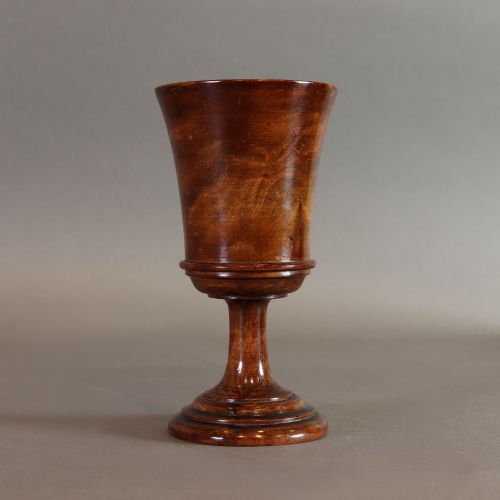
An antique wooden cup brings the tactile warmth of early turning and treen directly to the tabletop.
Antique Wooden Cup
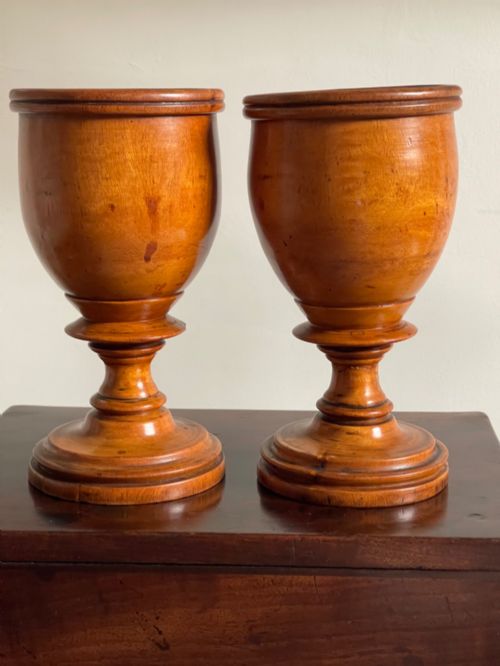
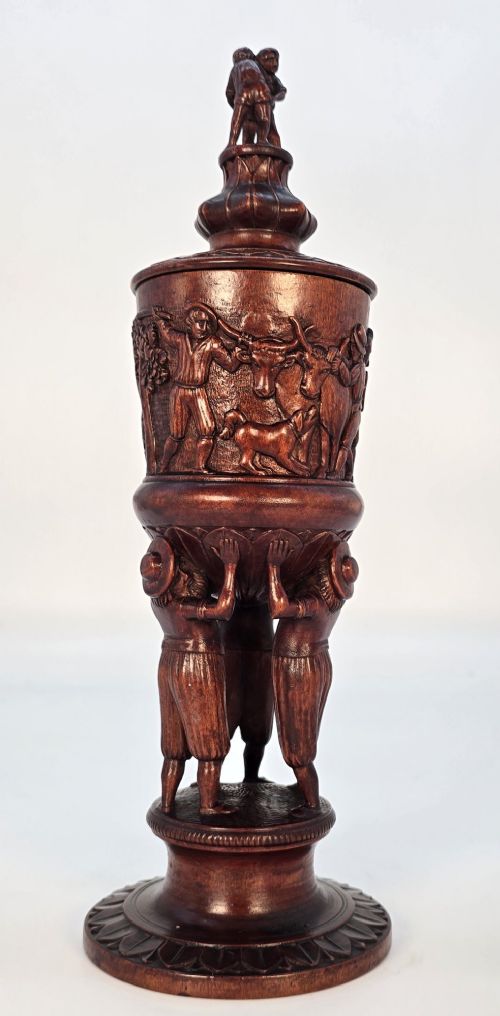
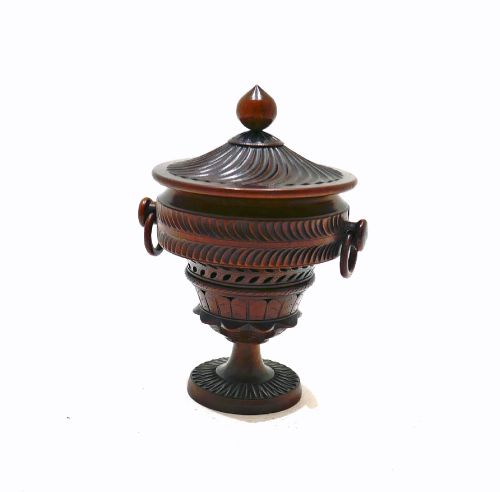
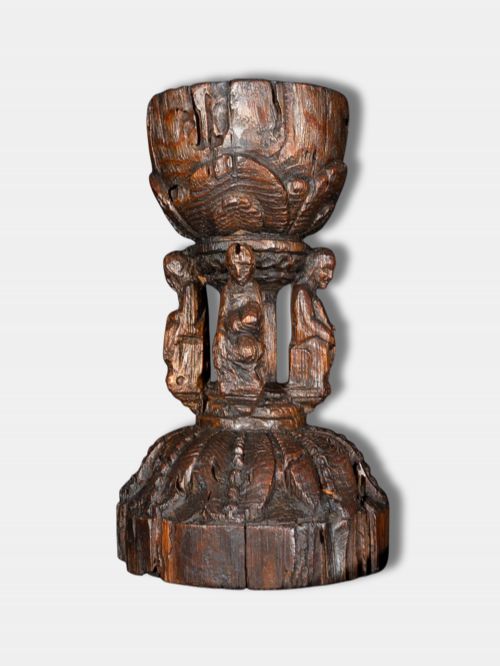
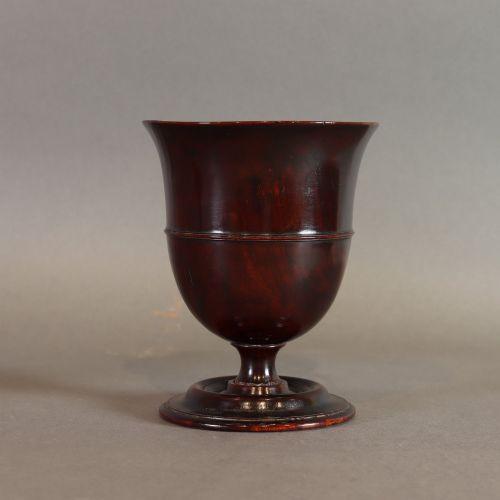
When searching for an antique wooden cup, collectors encounter turned treen, drinking goblets, lidded chalices, and game components spanning the eighteenth and nineteenth centuries. These domestic objects demonstrate historic turning techniques utilised across English, continental, and island workshops.
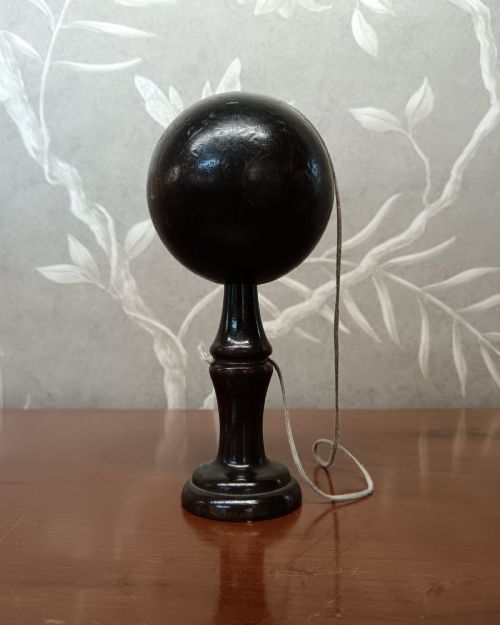
The versions most frequently met on this page include fruitwood, walnut, and oak pedestal goblets, alongside novelty items like the bilboquet ball and cup game. Their forms range from simple George III drinking vessels to carved Victorian presentation pieces.
Originating as functional tablewares or secular chalices, these pieces survive as examples of historic woodwork. Each item reflects the specific timber traditions and domestic habits of its period, from Georgian dining rooms to Victorian parlours.
Materials and Turning Methods
Turned objects rely upon dense hardwoods selected for stability and grain pattern, predominantly fruitwood, walnut, oak, and lignum vitae. Craftsmen shaped these timbers on lathes, exploiting the natural grain to achieve thin walls and balanced pedestal stems.
Detailing often includes incised rings, turned collars, and fitted lids, occasionally augmented with carved elements or brass mounts. The natural timber received finishes of polish or wax rather than heavy pigments, preserving the character of the wood.
Assessing Quality in Turned Woodenware
Quality rests upon the precision of the lathe work and the selection of the timber blank. Superior examples display crisp profile turning, symmetrical proportions, and a rich, unblemished grain that responds well to historic wax finishes.
The distinction between standard domestic items and finer pieces lies in the crispness of the mouldings and the complexity of the form. Lidded chalices and multi-tiered pedestal goblets demand higher skill from the turner than basic utility cups.
The Antique Wooden Cup Glossary
- Treen
- Small handmade wooden domestic objects produced before the rise of mass manufacturing. These pieces encompass everything from tableware to games.
- Goblet
- A drinking vessel with a stem and foot, commonly turned from a single piece of hardwood in eighteenth and nineteenth-century workshops.
- Bilboquet
- A traditional toy comprising a ball attached to a cup or spike by a string, tested by attempting to catch the ball.
- Fruitwood
- Timber derived from fruit-bearing trees such as pear, apple, or plum, prized by turners for its fine, dense grain and smooth finish.
- Lignum vitae
- An extremely heavy, dense exotic hardwood traditionally utilised for items requiring durability and resistance to splitting.
Antique Wooden Cup: Frequently Asked Questions
What were antique wooden cups used for?
These vessels served various domestic and social functions, ranging from casual dining and drinking to ceremonial toasts and parlor games.
Many survived as display pieces rather than everyday utensils, preserving their turned surfaces and crisp historic profiles.
How do I care for wooden treen?
Keep wooden items away from direct sunlight and rapid temperature fluctuations to prevent the timber from drying and splitting.
Apply a microcrystalline wax occasionally to maintain the sheen of the historic wood surface without sealing it.
Are these cups safe for drinking?
Most antique wooden cups are collected as decorative art or historical treen rather than functional tableware.
Historic finishes and dry timbers mean modern liquids can damage the interior grain and historic patina.
How can I tell the age of a turned wooden cup?
Dating relies on tool marks, timber selection, and stylistic comparisons with documented pieces from the Georgian and Victorian eras.
Changes in lathe technology and regional turning fashions help narrow down the period of manufacture.