
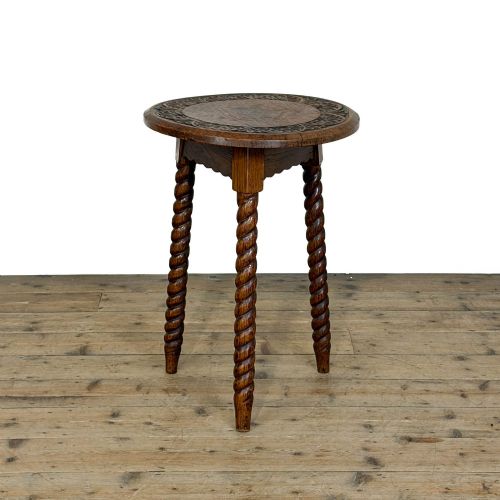
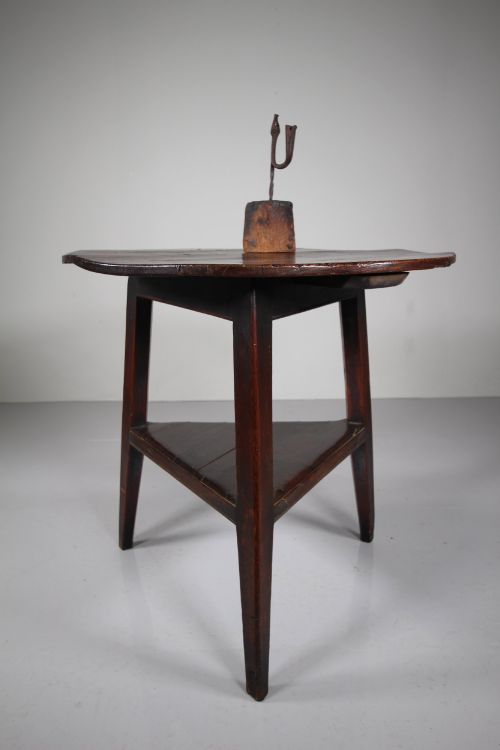
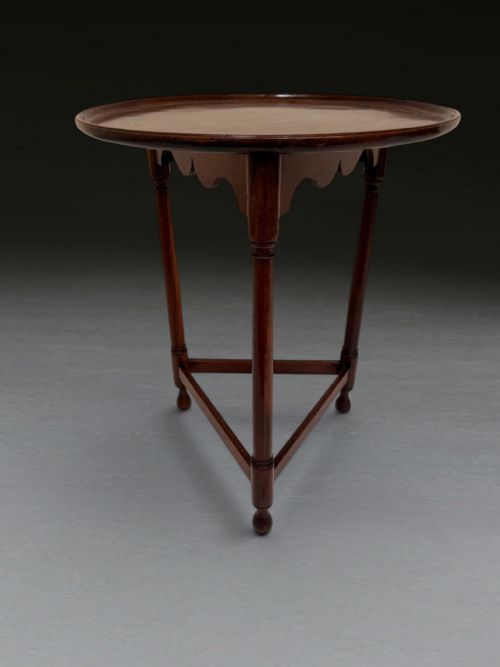
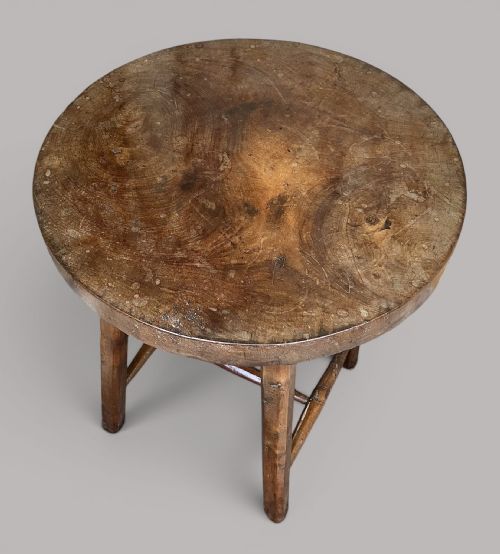


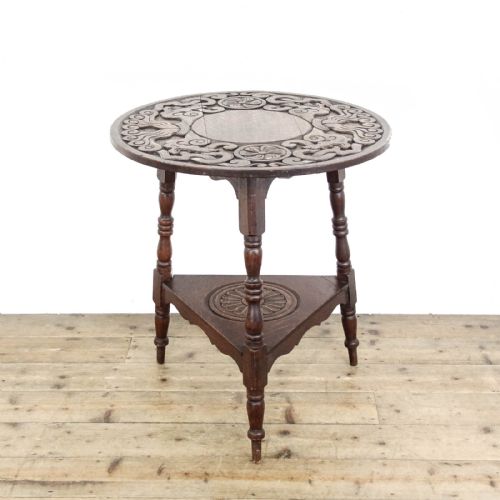
Antique Wooden Cricket Table
An antique wooden cricket table gives you a sturdy three-legged vernacular surface rooted in centuries of country house utility.
Antique Wooden Cricket Table
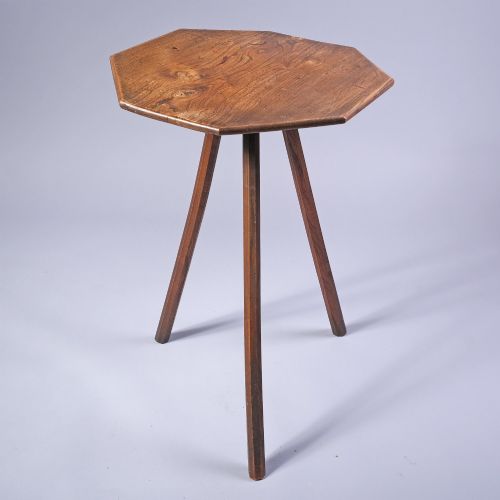
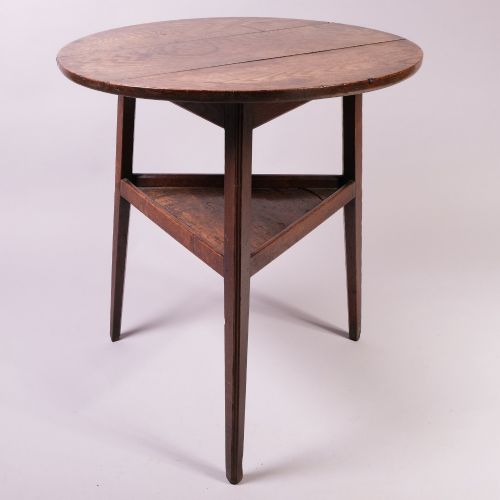
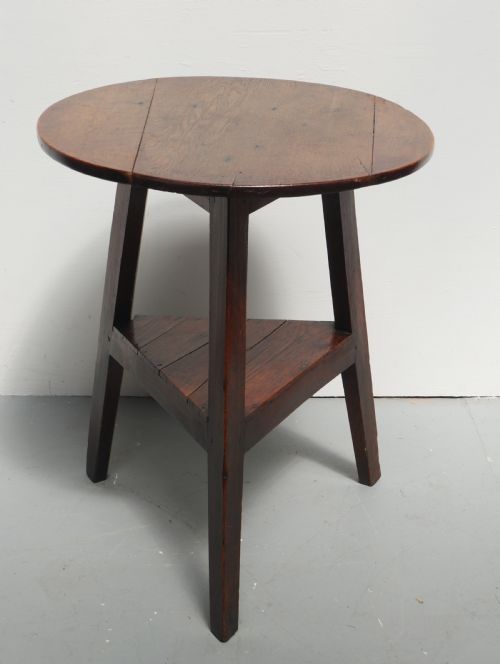
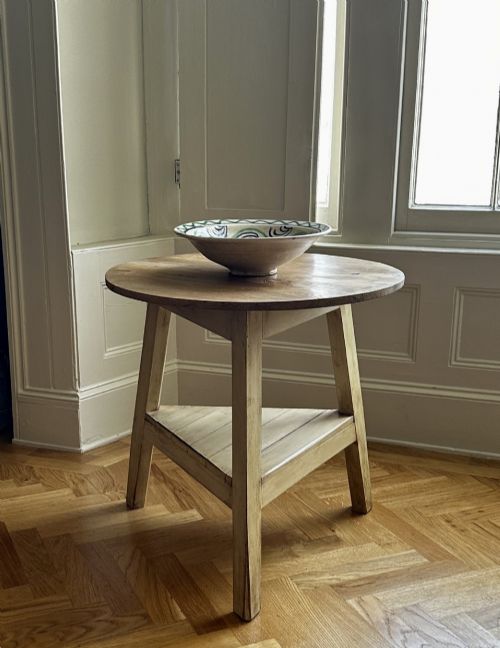
An antique wooden cricket table provides a compact circular top supported by three splayed legs designed to stand steady on uneven flagstone floors. These pieces emerge in Georgian and 18th-century forms, alongside later 19th-century and Edwardian interpretations.
You will most frequently meet oak and elm examples on this page, often built in regional English or Welsh country vernacular styles. Occasional variations appear in mahogany, ash, pine, solid walnut, and painted timber.
Makers constructed these occasional tables and side tables with simple circular tops and tripod bases that fit neatly beside firesides and in tight corners. The listings show a heavy reliance on traditional country cabinet-making traditions rather than urban formality.
Materials and construction
Joiners built these tables using native timbers such as oak, elm, ash, and pine, often selecting solid planks for the circular tops. Legs were frequently turned or shaped by hand to fit firmly into underside sockets.
Constructors utilised sturdy three-legged designs which naturally prevented wobbling on irregular domestic floors. Some variations incorporate decorative elements like carved oak or bobbin-turned legs alongside painted finishes.
Vernacular styles dominate the selection, ranging from rustic farmhouse forms to Welsh tavern tables.
Assessing quality in country tables
The choice of primary timber dictates much of the character, with dense hardwoods like oak and elm holding up differently over centuries compared to softer pine or fruitwood. Grain patterns and the depth of natural patination acquired through long use separate standard examples from finer ones.
The integrity of the three-legged joint structure determines the overall firmness of the table. Subtle details in leg turning, such as bobbin work or clean primitive shaping, distinguish basic utilitarian builds from more considered regional pieces.
The Antique Wooden Cricket Table Glossary
- Cricket table
- A small three-legged circular table dating from the vernacular tradition. These pieces were historically used for domestic tasks near hearths.
- Vernacular style
- Furniture made by local craftsmen using regional materials without following high court fashions. This approach prioritised practical utility over elaborate ornamentation.
- Pad foot
- A rounded foot carved at the bottom of a table leg. This detail rests flat on the floor to distribute weight evenly.
- Bobbin turned
- A leg turned on a lathe to resemble a string of beads or bobbins. This decorative turning technique appears on later 19th-century pine examples.
- Patina
- The surface sheen and colour developed by wood over years of handling and polish. A rich patina indicates age and continuous domestic use.
Antique Wooden Cricket Table: Frequently Asked Questions
What is a cricket table used for?
These pieces served as versatile small surfaces for daily domestic tasks by the fireside.
Today they function well as compact side tables or occasional tables for lamps and books.
Why does it have three legs?
Three legs ensure the table remains stable on uneven stone or timber floors without rocking.
This practical design choice defines the core structure of the traditional country cricket table.
How do I date an 18th-century cricket table?
Dating relies on observing timber characteristics, joinery methods, and regional tool marks.
Georgian and 18th-century examples typically display heavy native hardwoods and simpler construction than later Edwardian revivals.
Are painted cricket tables original?
Many regional Welsh and English pieces received layers of paint for protection or decoration over generations of use.
Painted surfaces appear across 19th-century listings alongside exposed timber finishes.