





Antique Wooden Commode Stool
An antique wooden commode stool offers clever domestic utility disguised as a handsome seat or small chest, blending historical craftsmanship with covert practicality.
Antique Wooden Commode Stool
An antique wooden commode stool is a functional seat or cabinet designed to conceal a chamber pot, appearing in forms such as close stools, box stools, and commode armchairs. These pieces span periods from the seventeenth century through the Georgian and Regency eras, reflecting shifting domestic habits over three hundred years.
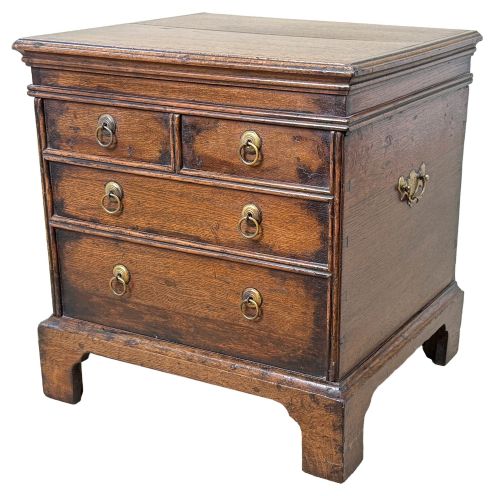
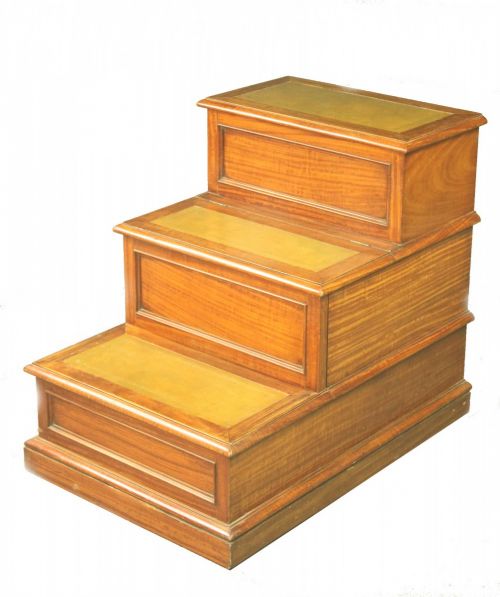
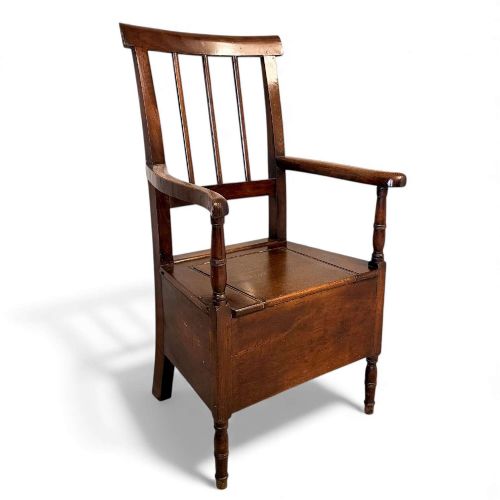
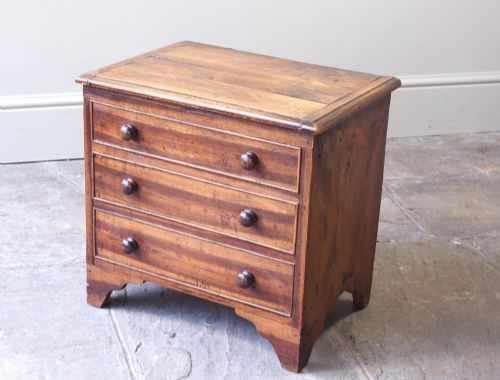
Buyers exploring this page will frequently encounter robust pieces fashioned from oak, elm, and mahogany, often styled as small bedside chests or sturdy armchairs. The selection also includes related items like bed steps and box stools that share the same period craftsmanship and timber construction.
Materials and construction
Cabinetmakers and joiners constructed these pieces using solid native hardwoods such as oak, elm, walnut, and mahogany, frequently incorporating secondary timbers like pine. Joints were painstakingly pegged or dovetailed to withstand regular use, while hardware such as brass handles and iron hinges provided durable mechanical function.
Surface finishes varied from polished mahogany and satinwood to unadorned oak and elm, preserving the natural grain of the wood. Upholstered elements often utilised leather for seats, combining utilitarian requirements with the prevailing aesthetic of the Georgian and Regency periods.
Antique Wooden Commode Stool Retail Price Guide 2026
Typical asking prices for wooden commode stool among the pieces listed under this phrase on Sellingantiques today, from the lower quarter to the upper quarter. They describe what is for sale here now, not the wider market.
The listings span from the seventeenth century through the Regency period, featuring structural timber in oak, elm, walnut, and mahogany.
Measures of quality
Quality in these pieces rests upon the selection of timber and the integrity of the joinery rather than ornamental excess. Superior examples display dense, well-figured mahogany, walnut, or quarter-sawn oak, coupled with precise dovetailing and well-preserved original hardware.
The sophistication of the form also distinguishes finer items, such as those disguised ingeniously as small bedside chests or library steps, from simpler vernacular box stools. The presence of secondary woods, original leather inserts, and maker stamps further elevates a piece within the hierarchy of surviving examples.
J.Jarvis
The Antique Wooden Commode Stool Glossary
- Close stool
- A portable indoor seat enclosing a chamber pot, often built to resemble a small cabinet or chest. These pieces were essential bedroom furniture before modern indoor plumbing.
- Box stool
- A seat featuring a hinged lid that opens to a concealed interior compartment. They served multipurpose roles in domestic spaces.
- Bed steps
- A set of portable wooden stairs used to climb into high period beds, frequently housing a commode drawer or compartment within the lower step. Regency examples demonstrate particularly refined joinery.
- Vernacular
- Everyday objects made by local artisans for regional use, often employing timbers like elm and pine without high-style ornamentation. These pieces rely on honest, robust construction.
- Quarter-sawn oak
- Timber cut radially from the growth rings, producing a distinctive flecked grain pattern. This method yields exceptionally stable boards resistant to warping.
Antique Wooden Commode Stool: Frequently Asked Questions
How were commode stools used historically?
These stools were kept in bedrooms and dressing rooms to provide seated convenience for personal hygiene before the advent of indoor plumbing. Servants would empty and clean the internal porcelain or earthenware vessels as part of daily household duties.
Many designs doubled as standard chairs or low tables when closed, allowing them to blend seamlessly into the chamber furnishings of a well-appointed Georgian or seventeenth-century home.
Where should I place a commode stool today?
In a modern interior, an antique commode stool functions exceptionally well as a bedside table, a hallway seat, or a living room side table with hidden storage. The hinged top provides a discreet compartment for blankets, books, or everyday clutter.
Positioning the piece against a bedroom wall or beside a low armchair highlights its period timber and clever proportions while serving a practical modern purpose.
How do I identify seventeenth-century examples?
Seventeenth-century pieces typically feature heavy solid oak construction, pegged joints, and primitive vernacular lines that reflect early joinery techniques. The proportions are often robust and functional, displaying simple mouldings and deep patination acquired over centuries.
Comparing the board thickness, fastener types, and overall structural heft helps distinguish these early items from later Georgian and Regency interpretations.
What woods are most common?
Oak is the predominant timber found in seventeenth-century and early Georgian pieces, valued for its strength and availability. Elm, walnut, and mahogany appear frequently in eighteenth-century and Regency variants, showcasing finer grain patterns.
Cabinetmakers also utilised secondary woods like pine for internal framing, while luxury pieces occasionally incorporated decorative veneers such as satinwood.