


Antique Wooden Block
These antique wooden block items span utility and craft, offering solid oak, beech, and elm forms from utilitarian chopping blocks to sculptural millinery heads.
Antique Wooden Block
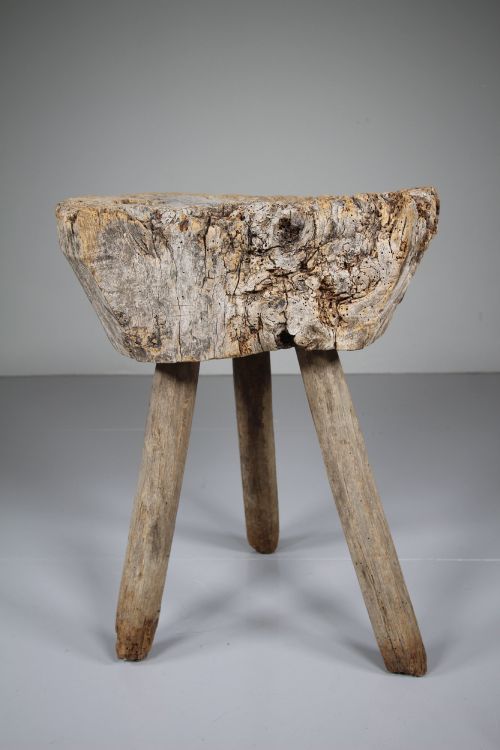
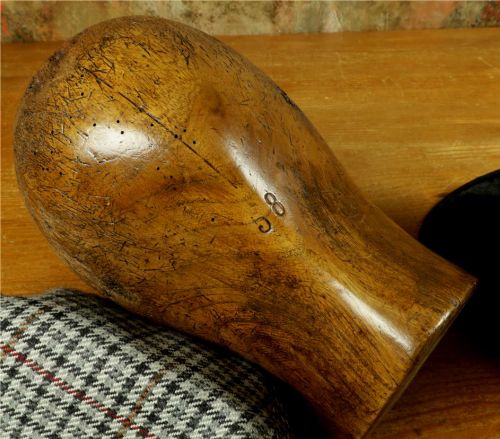
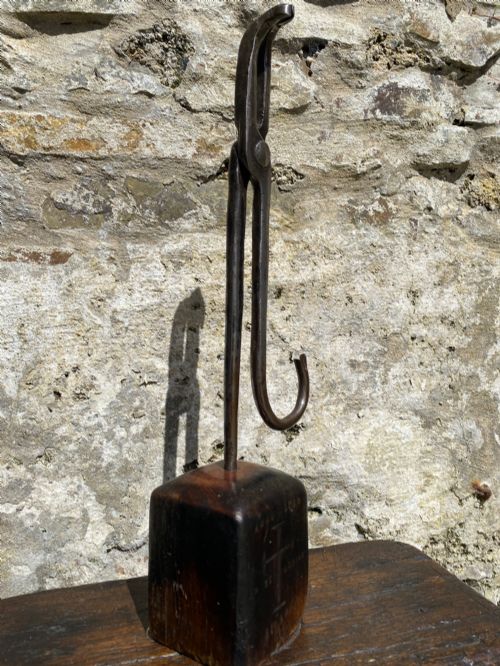
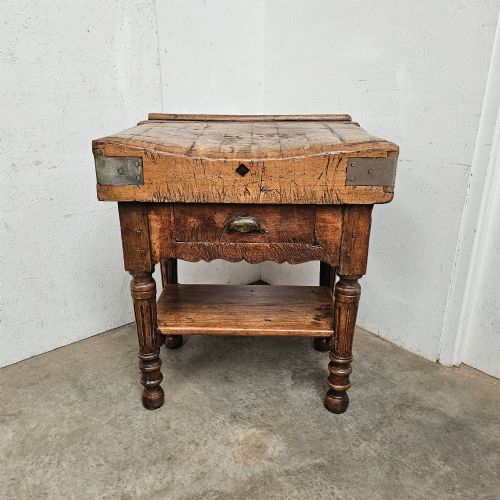
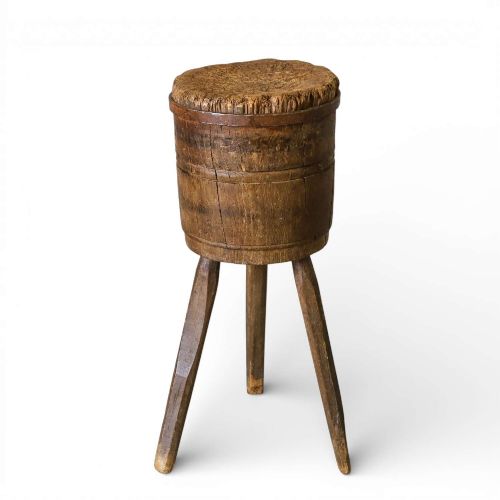
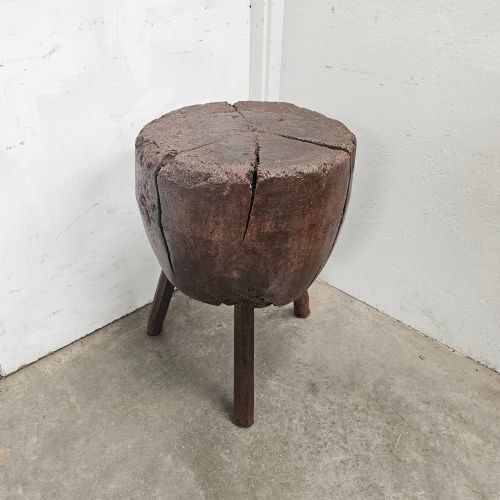
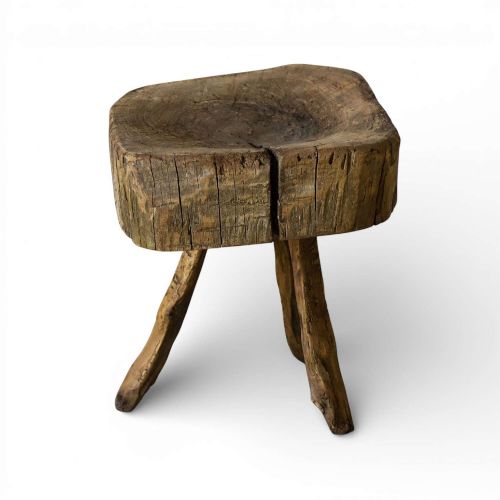
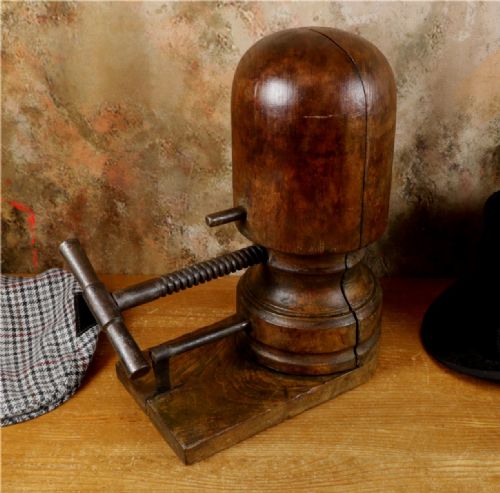
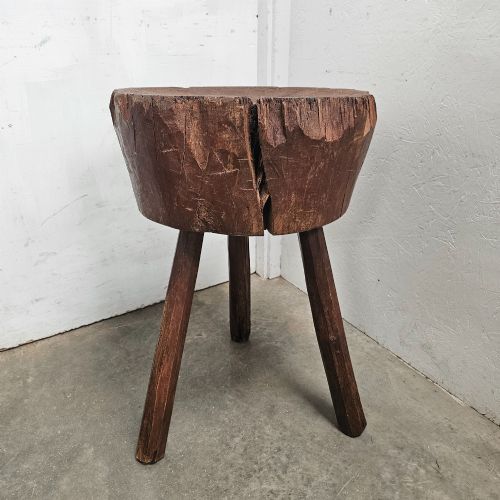
When you search for an antique wooden block, you encounter a surprisingly varied group of objects shaped by practical workrooms, kitchens, and trades. The selection ranges from heavy French butchers blocks and kitchen islands in beech and elm to specialised milliner hat stretchers, wig stands, and textile printing blocks.
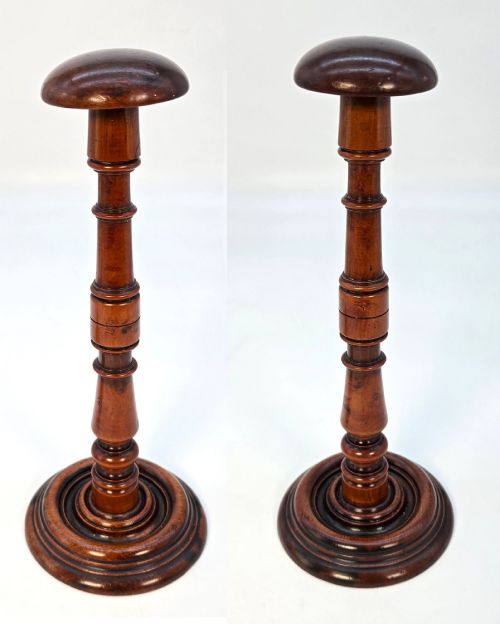
The pieces you are most likely to meet on this page hail primarily from the nineteenth and early twentieth centuries, though earlier eighteenth-century examples such as yew wig stands occasionally appear. Their forms reflect domestic preparation, rural trade, and workshop production rather than parlour display.
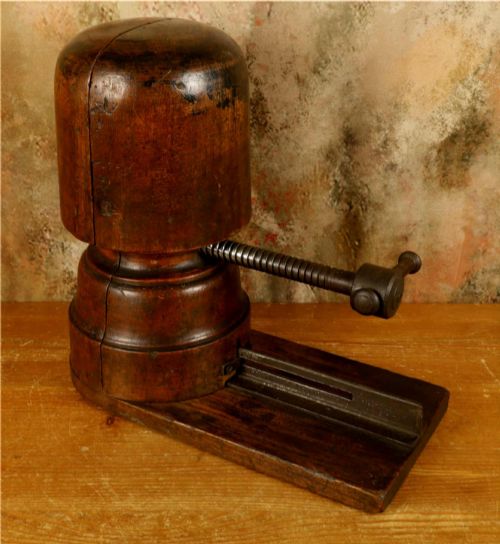
Functional items dominate the category, with sturdy chopping surfaces, printer stamps set with brass, and adjustable hat blocks forming the core of the group. Each piece retains the marks of its original vocation, whether deeply scored timber on a butcher's table or carved detail on a printing stamp.
Materials and methods of construction
Makers relied heavily on dense domestic hardwoods like oak, beech, elm, and fruitwoods to withstand the rigours of chopping, shaping, and stamping. These timbers were selected for grain density and resistance to splitting under repeated impact or pressure.
Joining techniques prioritized utilitarian strength, utilising heavy pegged joints, iron bracing, and solid turned forms mounted on sturdy legs or decorative bases. Hat blocks and printing stamps often combined carved wooden bodies with inserted brass pins or metal mechanisms to achieve precise forms.
Antique Wooden Block Retail Price Guide 2026
Typical asking prices for wooden block among the pieces listed under this phrase on Sellingantiques today, from the lower quarter to the upper quarter. They describe what is for sale here now, not the wider market.
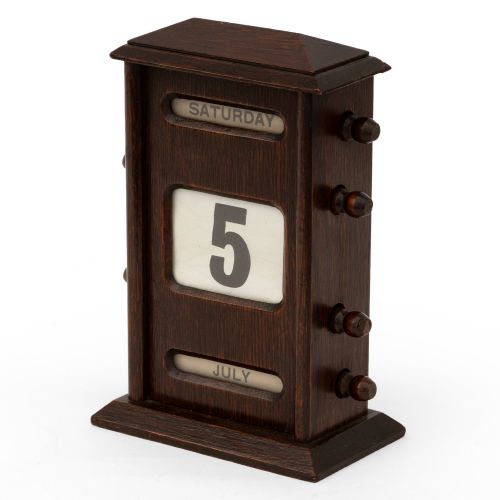
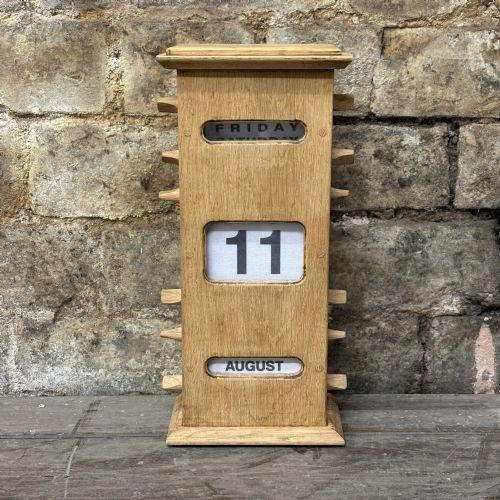
The listings combine nineteenth-century French beech chopping blocks with English oak desk calendars and elm pulley blocks.
What separates the finest examples
Quality in these items rests in the integrity of the timber, the depth of patination earned through use, and the sculptural honesty of the form. A block with well-preserved original legs or bases stands apart from one altered or stripped of its character.
Finer printing blocks demonstrate precise brass wire inlay and crisp hand-carved detail, while superior butchers blocks show the harmonious grain patterns of heavy end-grain or solid plank construction combined with honest wear.
Liberty of London·Bretton
The Antique Wooden Block Glossary
- Butchers block
- A heavy cutting table constructed from thick timber, designed for meat preparation. These pieces typically display deeply scored surfaces from years of working use.
- Hat stretcher
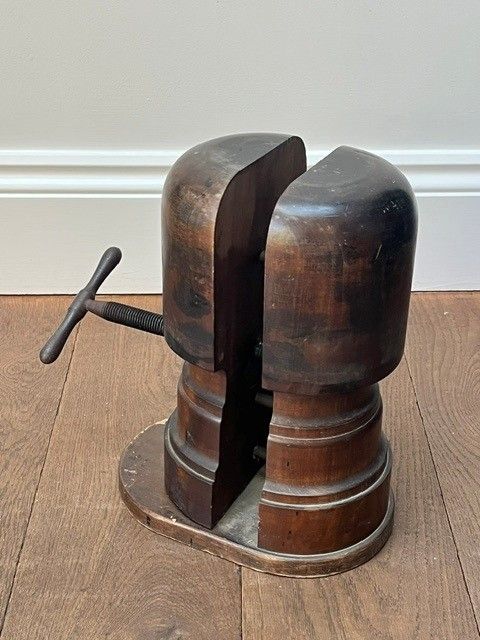
- A mechanical wooden form used by milliners to shape and size hats. They often feature internal screw mechanisms to expand the wooden segments.
- Printing block
- A carved wooden stamp used for applying patterns to textiles or wallpaper. Examples frequently incorporate brass wire driven into the wood to form intricate outlines.
- Treen
- Small handmade wooden items for domestic use. This category encompasses items such as biscuit cutters, small boxes, and desk accessories.
- Vernacular
- Objects made by local craftspeople for practical, everyday use without high-style academic design. These pieces prioritize function and local material availability.
Antique Wooden Block: Frequently Asked Questions
What were antique wooden blocks actually used for?
These blocks served diverse practical functions in trades and domestic life, ranging from butchery and textile printing to hat making and wig styling. Each form was strictly tailored to its specific workshop requirement.
Industrial and domestic spaces relied on them for heavy preparation, pressing, and shaping tasks where durability mattered above all else.
How do I care for an antique wooden block?
Maintain the timber by keeping it away from direct heat sources and extreme humidity fluctuations, which can cause cracking. Feed dry surfaces periodically with appropriate natural oils or waxes.
Avoid aggressive washing with water, especially on old chopping surfaces or painted finishes, opting instead for gentle dusting and dry cleaning methods.
Are printing blocks safe to use for modern stamping?
Many antique printing blocks retain sturdy carved wooden and brass structures suitable for gentle stamping with water-based inks. Inspect the condition of the delicate brass wire inlay before applying pressure.
Keep in mind that historical stamps were designed for specific textile or wallpaper pastes, so testing on scrap paper first yields the best results.
How can I tell a French butcher block from an English one?
French blocks frequently utilise pale beech timber paired with distinctive arched or gnarled stretcher bases and vernacular framing. English equivalents often feature heavier oak construction or simpler table frames.
Regional preferences also dictated leg styles, with French country pieces showing sculptural turned supports while utilitarian examples prioritized plain, functional bracing.