
Antique Wooden Bedroom Furniture
Antique wooden bedroom furniture brings traditional craft to domestic spaces, offering sturdy chests of drawers, beds, and bedside tables built from durable timbers.
Antique Wooden Bedroom Furniture
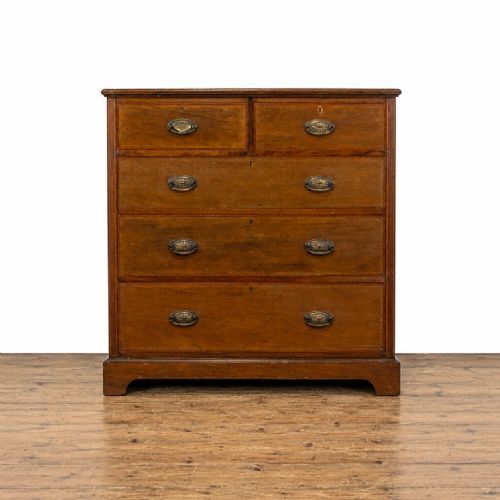
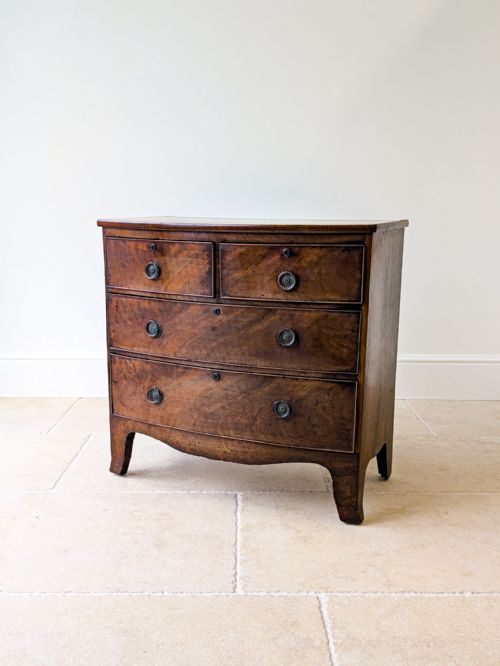
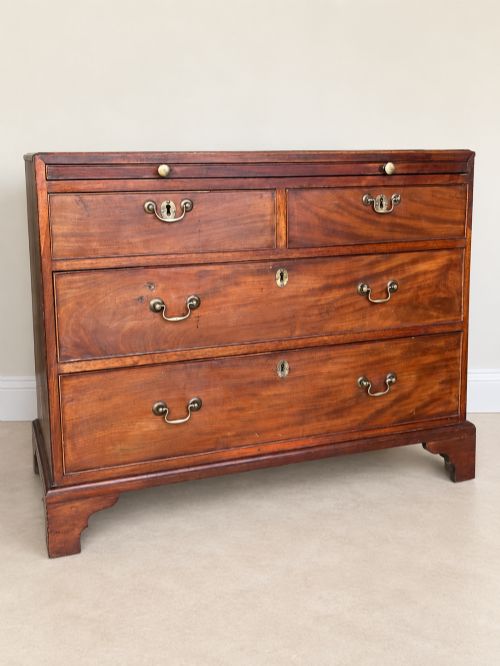
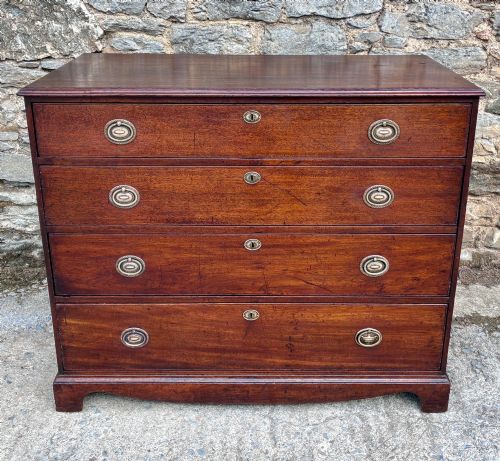
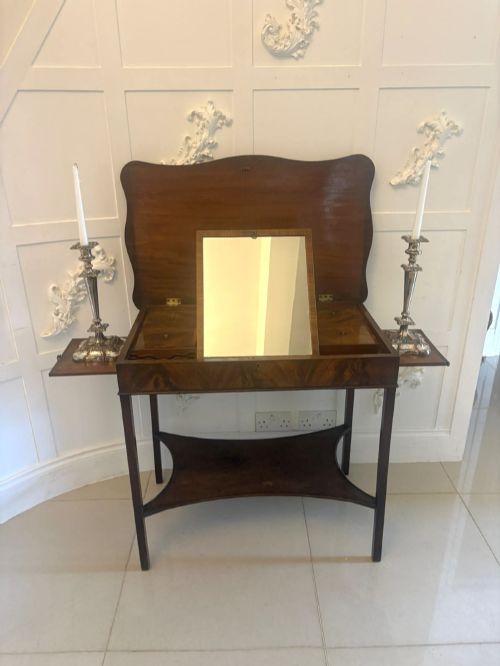
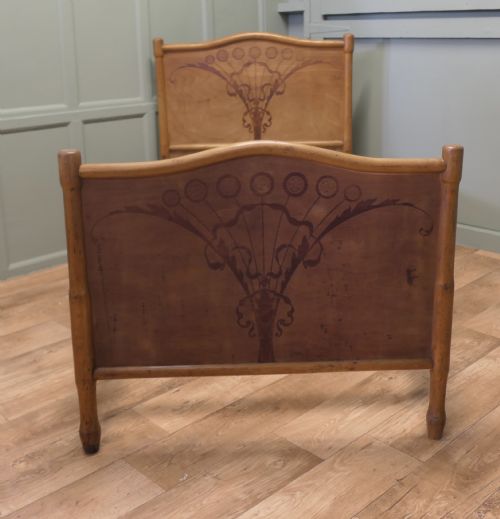
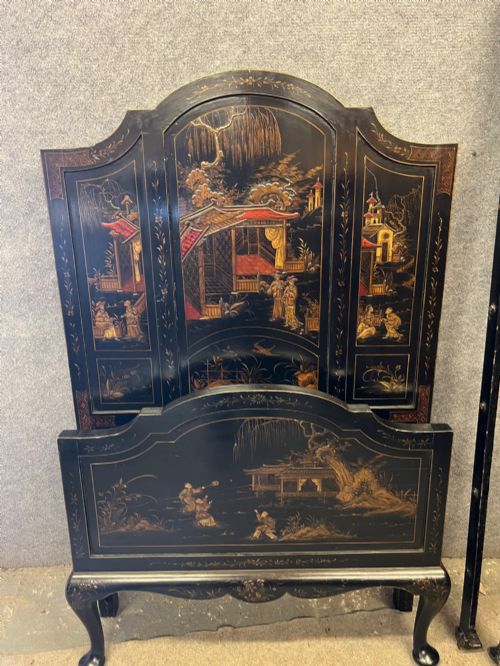
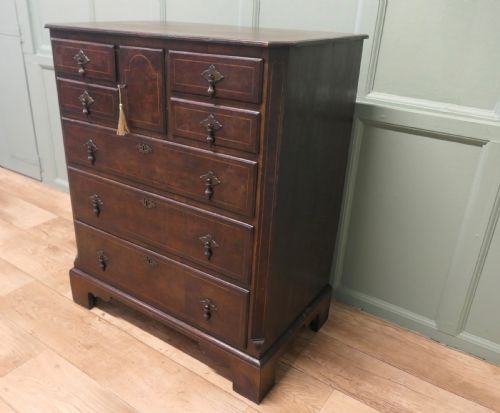
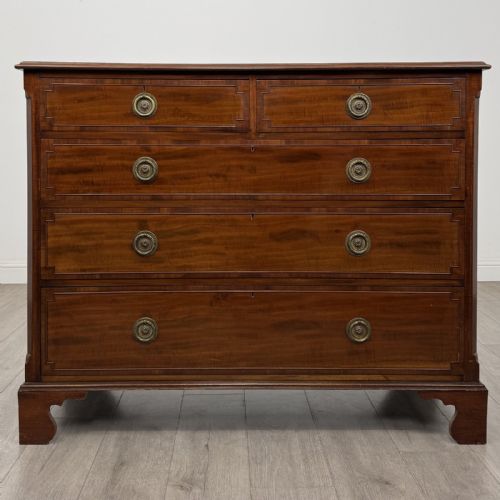
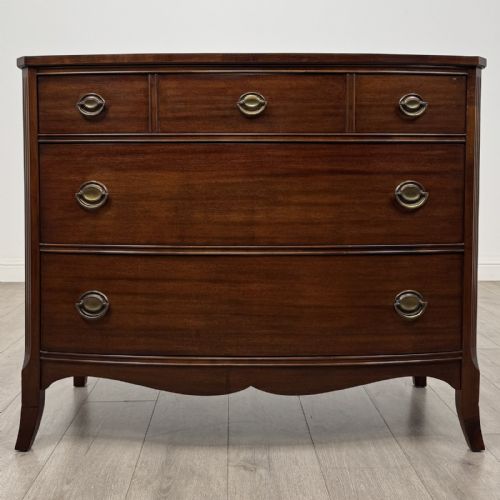
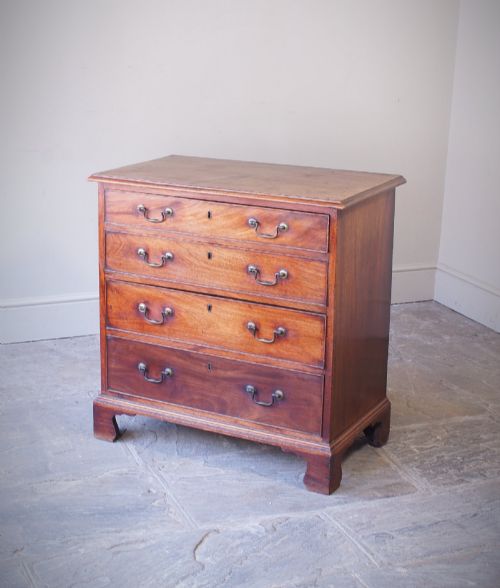
Antique wooden bedroom furniture spans multiple centuries of domestic design, with a strong emphasis on practical storage and sleeping quarters. Chests of drawers dominate the selection, appearing in forms ranging from compact Georgian bow-fronts to grand Victorian tallboys.
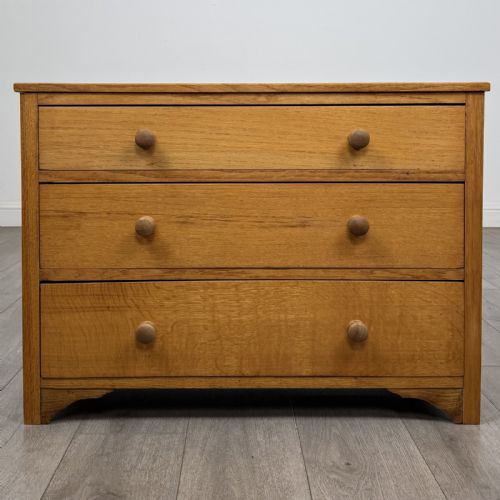
Buyers frequently encounter Edwardian oak pieces, substantial Regency mahogany chests, and 18th-century walnut examples alongside simpler pine variants. Specialised items such as linen presses, towel rails, and bedside tables complete the selection.
The objects originate from various periods including Georgian, Victorian, Edwardian, and Art Deco, reflecting shifting tastes in room layout and interior decoration.
How they were made
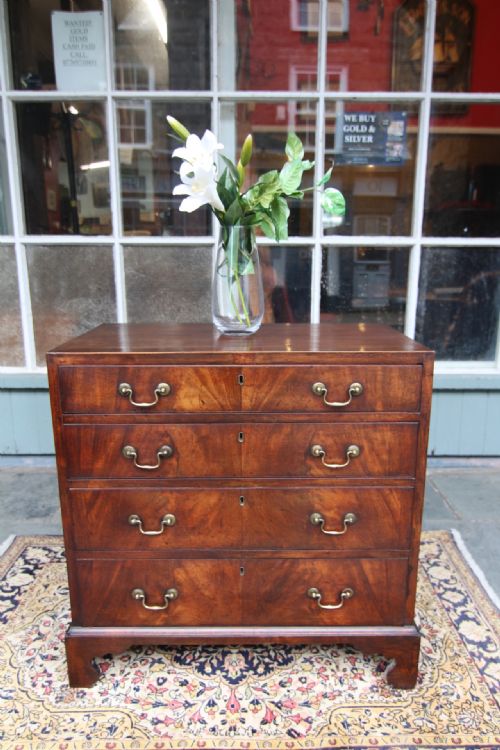
Cabinetmakers utilised solid timbers such as oak, mahogany, walnut, and pine, often applying figured veneers like burr walnut or flame mahogany to primary display surfaces. Dovetail joints secured drawer construction, while brass hardware provided functional pulls and key escutcheons.
Surface treatments relied on traditional polishing techniques that enhanced the natural grain of the wood without masking its texture or colour. Secondary woods like pine or fruitwood were frequently employed for internal framing and drawer linings.
The listings feature diverse timbers including mahogany, oak, walnut, pine, and brass hardware across multiple centuries.
What varies in quality
Quality rests upon the selection of timber figures, the precision of cabinet joinery, and the integrity of the original hardware and surfaces. Pieces featuring book-matched veneers, crossbanding, and hand-cut dovetails generally represent higher levels of workshop execution.
Proportion and decorative restraint differentiate standard utility items from exceptional commissions. Well-executed pieces retain crisp mouldings, smooth drawer operation, and balanced proportions across the entire front elevation.
Whytock and Reid·T and G Seddon·Sir Clough Williams-Ellis
The Antique Wooden Bedroom Furniture Glossary
- Bow-front
- A convex, curved front elevation typical of many 18th and 19th-century chests of drawers. This curved profile softens the boxy geometry of standard bedroom storage.
- Crossbanding
- A decorative border of veneer laid around the perimeter of a drawer front or tabletop so the grain runs perpendicular to the central panel. It creates a neat visual frame.
- Tallboy
- A tall chest of drawers, often constructed as a chest stacked upon a second base cabinet or larger chest. These units maximise vertical storage space in modest rooms.
- Linen Press
- A tall storage cabinet featuring upper sliding trays or shelves enclosed by doors, positioned above a bank of lower drawers. Originally designed for storing household linens.
- Dovetail
- A traditional interlocking woodworking joint formed by interlocking wedge-shaped fingers. It provides exceptional tensile strength for drawer corners.
Antique Wooden Bedroom Furniture: Frequently Asked Questions
How do I identify a Georgian chest of drawers?
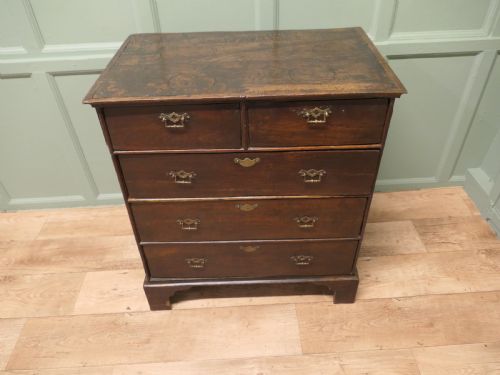
Georgian chests typically display understated classical proportions, bracket or ogee feet, and dense native or imported timbers like oak and mahogany. Drawer construction relies on hand-cut dovetails and solid linings.
Hardware is generally brass, often featuring batwing plates or later drop handles depending on the exact decade of manufacture.
Are pine pieces considered proper antiques?
Pine furniture forms a substantial category of antique domestic utility, particularly from the Victorian and Edwardian eras. These pieces were often painted or scrubbed for everyday use in secondary bedrooms.
While less formal than mahogany or walnut, quality pine storage units share identical traditional joinery methods.
How do I care for antique wooden bedroom furniture?
Maintain stable indoor humidity and avoid placing wooden items near direct heat sources or strong sunlight. Regular dusting with a soft, dry cloth preserves the polished surface.
Occasional application of appropriate wax feeds the timber without creating heavy silicone buildup.