
Antique Wooden Back Frame
An antique wooden back frame provides the structural integrity and aesthetic character for seating and photograph frames across the Victorian and Edwardian periods.
Antique Wooden Back Frame
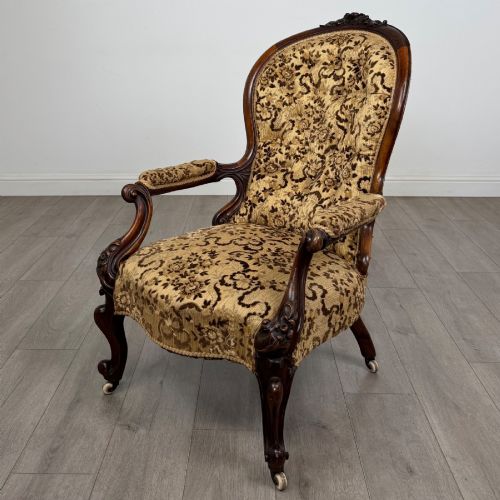
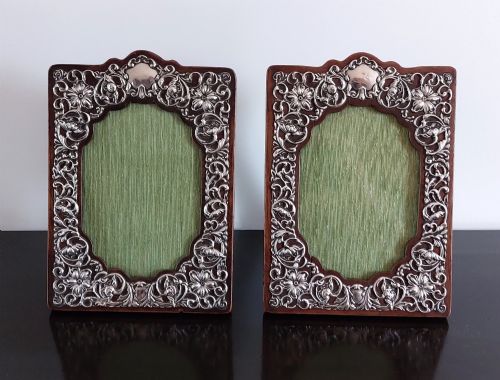
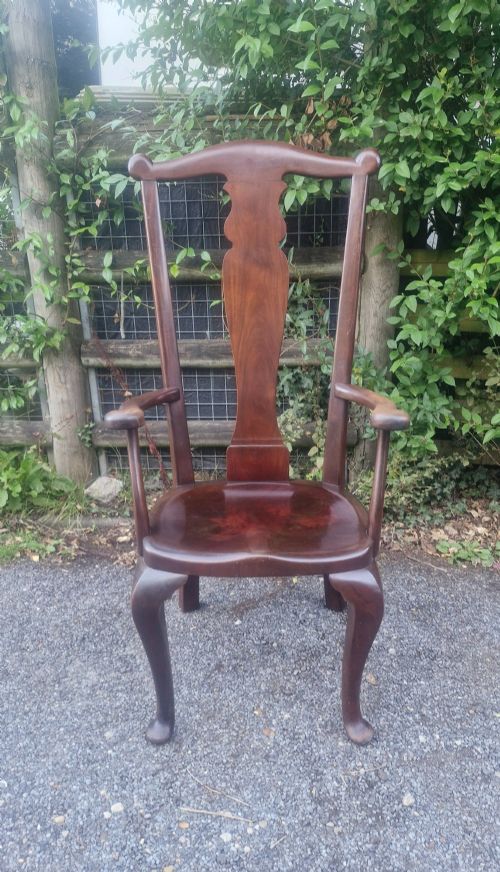
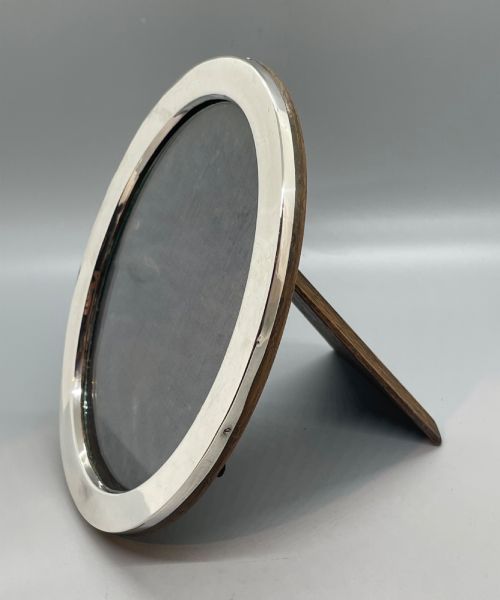
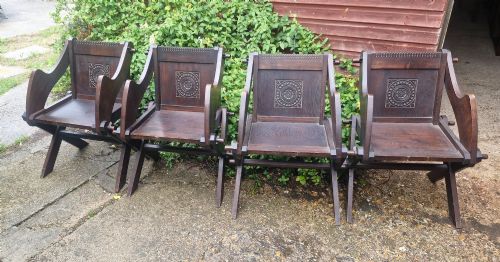
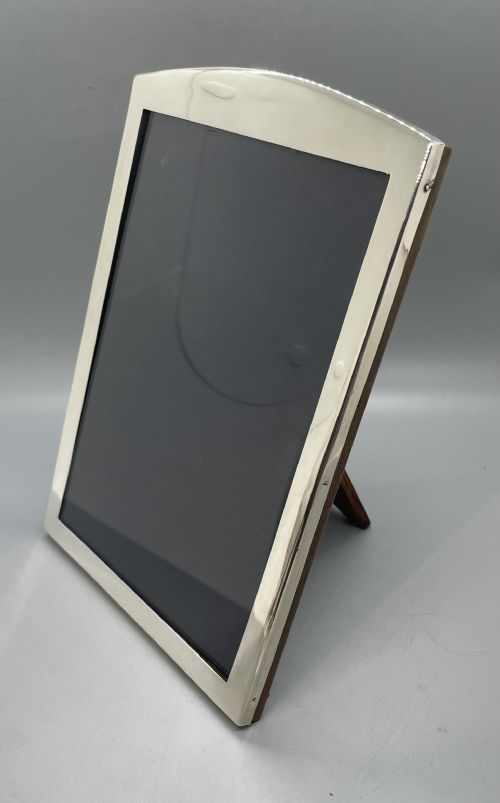
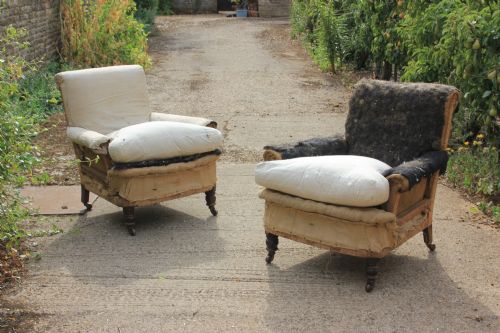
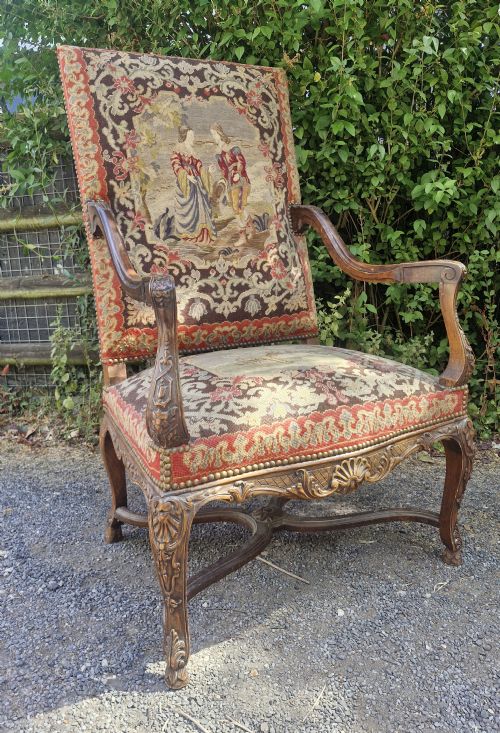
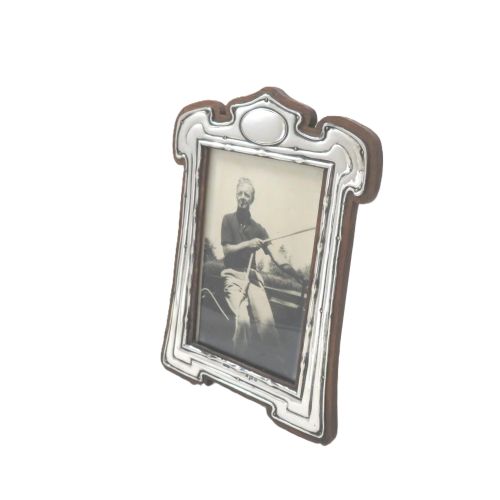
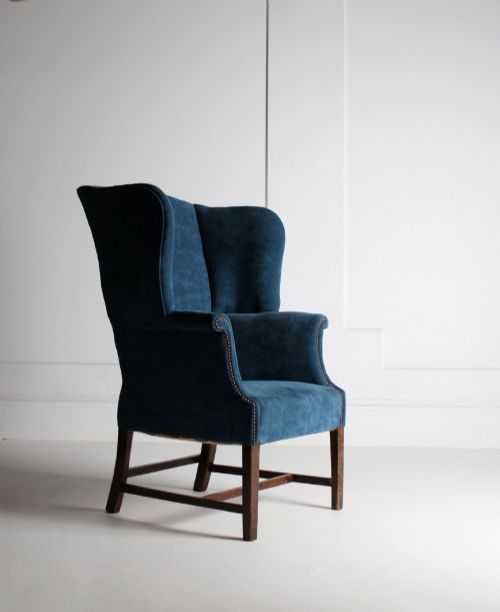
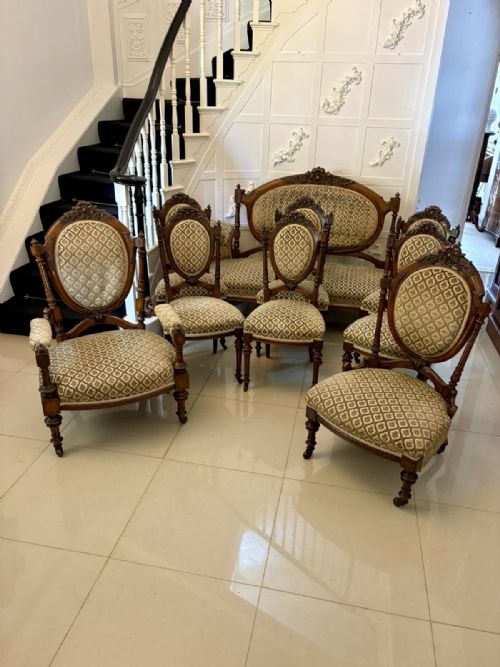
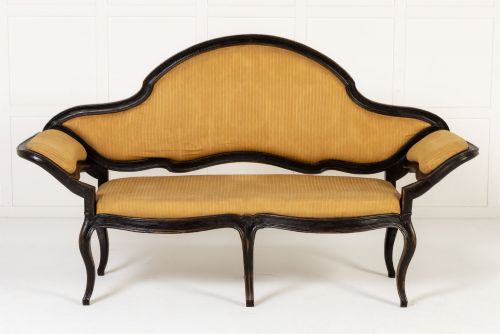
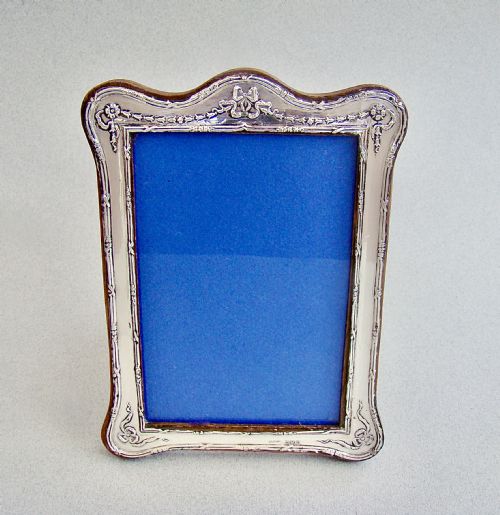
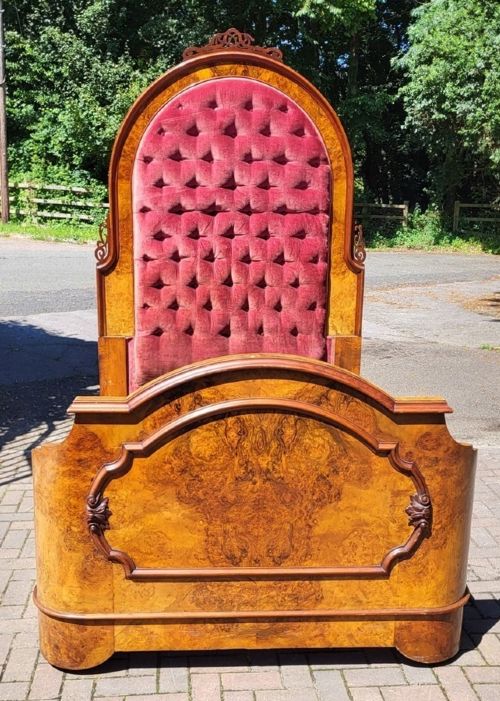
An antique wooden back frame forms the supporting wooden skeleton for chairs, sofas, beds, and photograph displays. When searching for this phrase, buyers encounter items ranging from Victorian and Edwardian armchairs to silver photograph frames with wooden backs and stands.
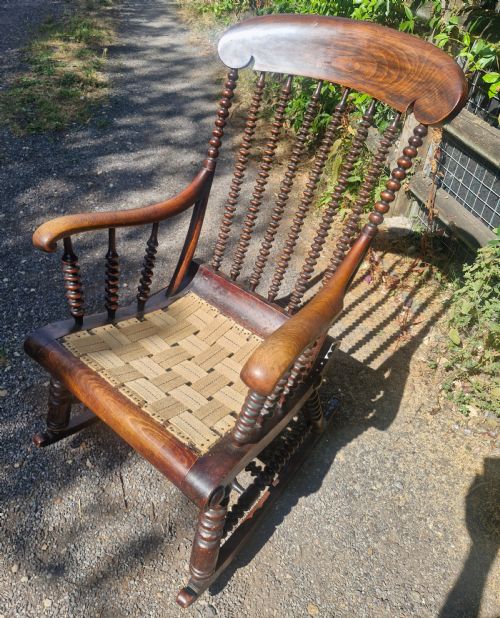
The selection on this page spans the nineteenth century through to the early twentieth century, incorporating regional country styles alongside formal urban seating. Walnut, mahogany, and oak dominate the structural forms, often accompanied by carved detailing or simpler turned wooden supports.
How They Were Made
Craftsmen built these frames primarily using solid hardwoods such as walnut, mahogany, and oak, selecting timber for grain pattern and tensile strength. Joinery methods relied on traditional mortise and tenon joints to ensure the back frame could withstand regular weight and pressure.
Surface ornamentation involved hand-carving directly into the wood, applying ebonised finishes, or incorporating brass hardware. Many pieces integrated fabric, leather, or sterling silver mounts affixed securely to the main wooden structure.
What Varies in Quality
The distinction between standard items and superior examples rests upon the grade of timber selected and the depth of skill in the carving. Dense, well-figured walnut or mahogany frames exhibit sharper hand-carved details and tighter joinery than simpler production pieces.
Proportion and structural rigidity also dictate worth, as master makers balanced decorative ambition with ergonomic support. Frames that retain their original timber patina without excessive sanding or structural alteration demonstrate higher integrity.
W I Broadway & Co
The Antique Wooden Back Frame Glossary
- Back frame
- The structural wooden framework supporting the rear portion of a chair, sofa, bed, or picture display. It bears the primary load or provides the rigid backing for mounted items.
- Show frame
- A wooden chair or sofa frame where polished timber remains deliberately exposed around the upholstered sections. Makers used this technique to display fine grains like walnut and mahogany.
- Wainscot
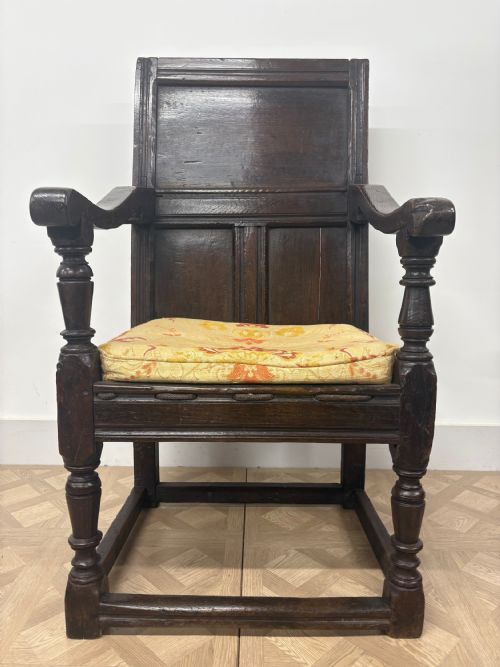
- An early style of heavy oak armchair constructed with panelled wooden backs and solid seats. These seventeenth-century pieces reflect vernacular joinery traditions.
- Ebonised
- Wood treated with chemical stains or black finishes to imitate ebony. This technique gained popularity during the nineteenth century for formal seating and frames.
Antique Wooden Back Frame: Frequently Asked Questions
How do I clean a wooden back frame?
Dust the timber regularly with a dry, soft cloth to prevent particulate buildup on carved surfaces. Avoid liquid polishes that contain silicone, opting instead for traditional beeswax applied sparingly.
Buff the wood gently along the grain to maintain the natural sheen of the period finish. Keep upholstered or silver elements away from direct moisture during cleaning.
Can I use an antique armchair daily?
Most nineteenth-century armchairs and seating frames utilise robust hardwoods built for regular household use. Check the joints periodically to ensure the back frame remains secure before heavy sitting.
Historic frames benefit from gentle handling rather than rough treatment. Professional conservation of internal webbing helps sustain daily comfort without straining the wood.
What wood is best for frames?
Walnut and mahogany offer superior stability and take fine hand-carving without splitting. Oak provides exceptional strength for earlier vernacular seating such as wainscot chairs.
Selection depends upon the period aesthetic you prefer. Darker hardwoods generally indicate formal Victorian or Edwardian craftsmanship.
How do I date a wooden frame?
Examine the tool marks, joinery techniques, and timber species visible on the reverse of the piece. Machine-sawn lumber typically indicates later nineteenth or twentieth-century manufacturing.
Stylistic cues such as Art Nouveau curves or Victorian button-back upholstery narrow the timeline. Hallmarks on attached silver elements provide exact years for photograph frames.